
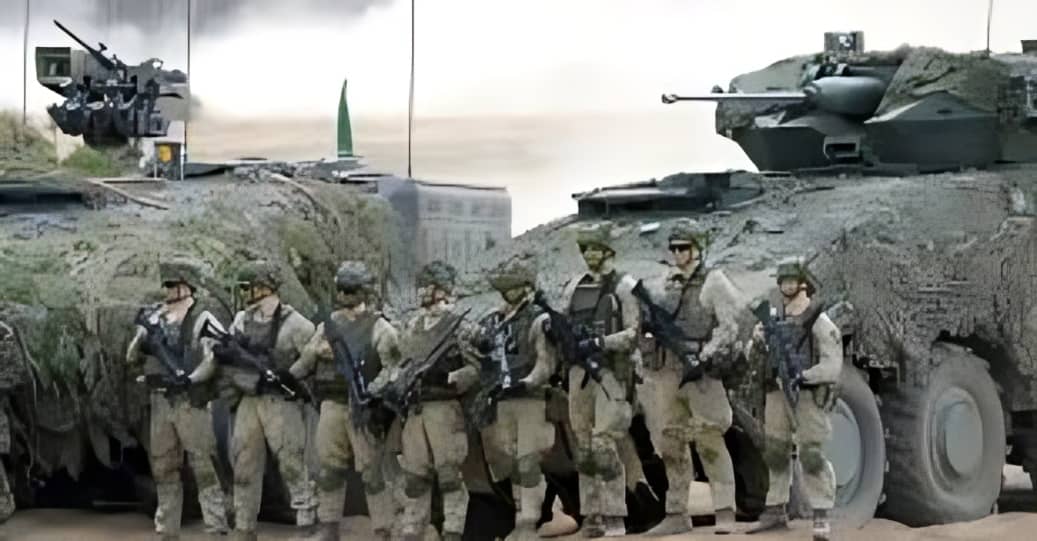

Germany is formulating a comprehensive long-term defence and security blueprint as part of a broader effort to strengthen its military readiness and civil protection systems by the year 2029. The initiative reflects increasing concerns across Europe about regional instability, hybrid warfare, cyber threats, and the need for faster response mechanisms in the event of large-scale security emergencies.
According to reports from security and defence circles, the proposed strategy focuses on improving troop readiness, expanding military infrastructure, reinforcing civil defence, and enhancing coordination between federal and state authorities. Germany’s armed forces, which have faced years of underinvestment and capacity challenges, are expected to undergo modernization and structural strengthening under this long-term framework.
One of the key elements of the plan includes increasing preparedness levels for large-scale troop mobilization during national emergencies. Defence planners are evaluating logistics systems, transport networks, and supply chains to ensure rapid deployment capabilities. Alongside military measures, greater emphasis is being placed on protecting critical national infrastructure such as power grids, water systems, communication networks, and transportation corridors from potential sabotage or cyber threats.
German security agencies are also intensifying monitoring mechanisms to counter hybrid threats, including cyberattacks, espionage, and disinformation campaigns. Authorities believe future conflicts may not be limited to traditional battlefield engagements but could involve digital disruption, economic pressure, and strategic sabotage of civilian infrastructure. As a result, Germany is working to integrate military and civilian security planning more closely.
The strategy further highlights the importance of cooperation with NATO allies and European partners. Germany remains a key member of collective defence arrangements in Europe, and joint military exercises, intelligence sharing, and defence procurement projects are expected to increase over the coming years. These steps are aimed at improving interoperability and ensuring a coordinated response to any potential regional security crisis.
Civil defence preparedness is another major component of the blueprint. Authorities are reviewing emergency shelter systems, disaster response infrastructure, and logistics arrangements for medical support, food distribution, and population safety during crises. Public awareness programmes and emergency training initiatives are also under discussion to improve civilian readiness.
Germany’s renewed focus on defence preparedness comes in the context of evolving global security conditions, including conflicts in Eastern Europe, rising cyber warfare incidents, and increased geopolitical competition. The government has acknowledged the need to move beyond peacetime assumptions and prepare for a wider range of security contingencies.
While the long-term plan is still in the development phase, experts believe it marks a significant shift in Germany’s post-war defence posture. For decades, the country maintained relatively limited military preparedness compared to other major powers. The new approach reflects a growing recognition that modern security challenges require sustained investment, institutional coordination, and strategic foresight.
As Germany moves toward finalizing its defence strategy for the coming decade, policymakers are expected to focus on balancing defence spending with domestic priorities while strengthening resilience against emerging security threats. The outcomes of this initiative will play a crucial role in shaping Germany’s role in European and global security over the next several years.


