Germany Reaffirms Support for Zelenskyy Amid Differences With Trump Over Ukraine
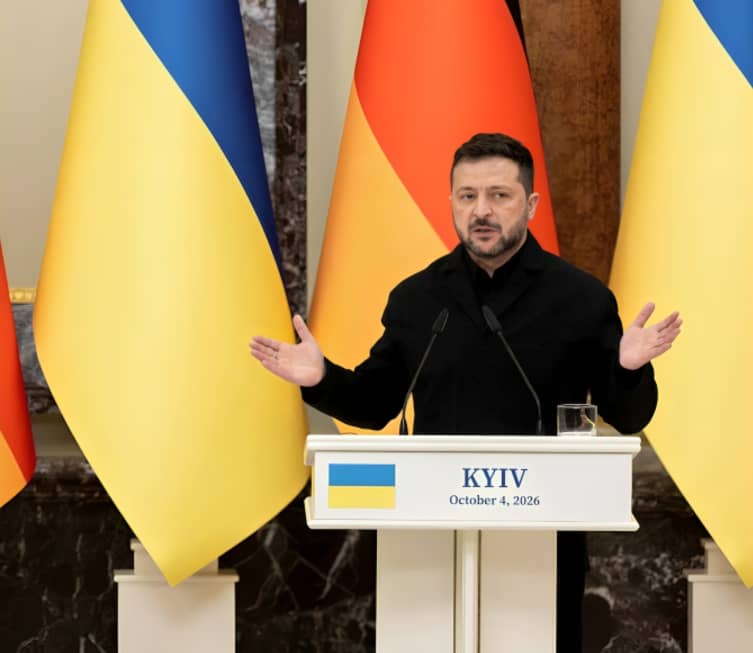
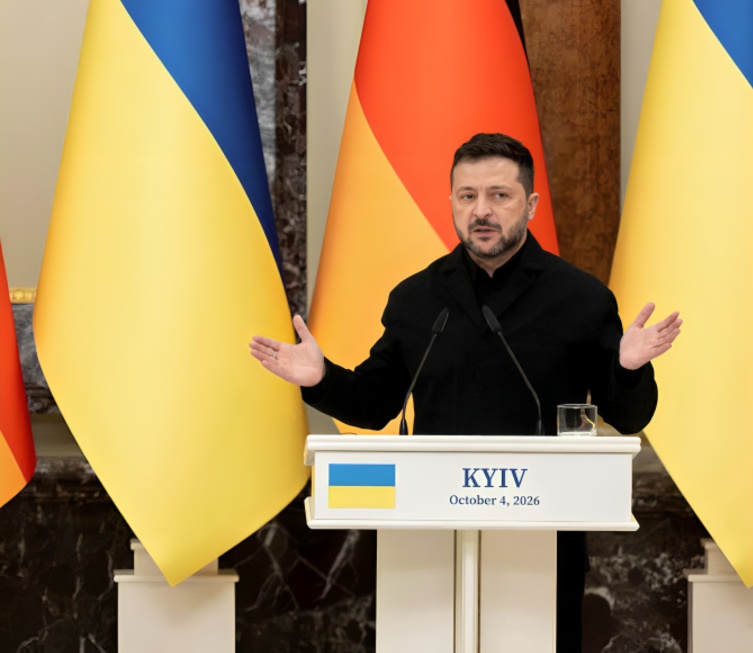
Germany has reaffirmed its support for Ukrainian President Volodymyr Zelenskyy following comments by US President Donald Trump calling for a change in Ukraine’s leadership. German Foreign Minister Johann Wadephul has also called for increased pressure on Russian President Vladimir Putin, arguing that stronger measures are needed to bring Moscow back to peace negotiations.
The statements, reported on October 11, 2026, highlight continuing differences between Washington and several European governments over how to address Russia’s war against Ukraine. While Trump has criticised Zelenskyy and questioned his leadership, Germany has stressed its continued political support for the Ukrainian government and its commitment to maintaining sanctions against Russia.
Wadephul made his remarks during a leadership meeting of the Christian Democratic Union, the political party of German Chancellor Friedrich Merz. He said Germany would continue standing alongside Ukraine and supporting Zelenskyy in carrying out his responsibilities during the conflict.
Germany Calls for Greater Pressure on Russia
Wadephul argued that international efforts should focus on increasing pressure on Putin to encourage Russia to resume meaningful peace negotiations.
According to Reuters, the German foreign minister said that reducing pressure on Moscow would not help achieve the desired outcome. He stressed the importance of consistency in supporting Ukraine and pursuing a diplomatic settlement.
Germany has maintained that economic and political pressure on Russia should continue while efforts to find a peaceful resolution remain underway. The government has also indicated that it will work with European partners on additional sanctions measures.
The position reflects Berlin’s view that negotiations require pressure on the parties involved, particularly Russia, alongside diplomatic engagement. Germany has continued to provide support to Ukraine as the war persists, including assistance intended to help the country defend itself.
However, the prospects for renewed negotiations remain uncertain. Differences over territorial issues, military operations, sanctions and the conditions for a ceasefire continue to complicate diplomatic efforts.
Trump Calls for a Change in Ukraine’s Leadership
Trump’s latest comments added to tensions between Washington and Kyiv. On October 10, the US president said Ukraine should get a new president, criticising Zelenskyy’s handling of the war and expressing frustration over Ukrainian attacks on Russian oil infrastructure.
Trump has argued that Ukraine should take steps that could help end the conflict and has criticised military operations targeting Russian energy facilities. His comments came shortly after the announcement of a diesel supply agreement involving the United States and Russia.
The remarks drew criticism from Ukrainian and European officials who maintain that Ukraine’s leadership and political future should be determined by the Ukrainian people.
Ukraine’s Foreign Minister Andrii Sybiha defended Zelenskyy, stating that the Ukrainian president had the support of the country’s people and that they had the right to decide their leadership.
The disagreement reflects a broader debate over the conditions required to end the war. The United States has pursued diplomatic initiatives, while Ukraine and several European governments have emphasised the need to protect Ukrainian sovereignty and maintain pressure on Russia.
Trump’s call for a change in leadership does not itself alter Ukraine’s constitutional arrangements. Questions concerning elections and the presidency are subject to Ukrainian law and the country’s political circumstances during wartime.
Germany Maintains Its Sanctions Policy
Germany has confirmed that it will continue supporting sanctions against Russia despite the reported US-Russia agreement concerning diesel supplies.
The agreement announced by Trump has raised concerns among some of Ukraine’s supporters because easing restrictions on Russian fuel exports could affect the wider sanctions strategy. European governments have argued that sanctions are an important means of limiting Russia’s capacity to sustain its military campaign.
Berlin said it would maintain its own measures against Russia and continue working with European partners on additional sanctions. Germany has also reaffirmed its support for Ukraine’s efforts to defend itself.
The difference between the German and American approaches illustrates the difficulty of coordinating policy among countries that broadly support a peaceful settlement but disagree on the methods and pressure required to achieve it.
Sanctions can affect trade, energy supplies and financial transactions, but their impact depends on the measures imposed, the countries participating and the ability of targeted entities to find alternative markets. Decisions to maintain or ease sanctions therefore have wider economic and diplomatic implications.
Wider European Support for Ukraine
Germany is not the only European country to have reiterated its support for Zelenskyy. British Prime Minister Andy Burnham also spoke with the Ukrainian president, with a Downing Street spokesperson stating that the United Kingdom would continue strengthening sanctions against Russia.
The British position reflects continuing coordination among European partners that want to maintain pressure on Moscow while supporting Ukraine.
European governments have faced the challenge of balancing diplomatic initiatives with military assistance, economic restrictions and the need to maintain unity among allies. Differences over individual policy decisions have become more visible as the conflict continues and international efforts to negotiate a settlement face obstacles.
Germany’s latest statement signals that Berlin does not intend to abandon its support for Ukraine in response to Washington’s criticism of Zelenskyy. Instead, the German government has emphasised continued assistance and a consistent approach to sanctions.
Russia-Ukraine Peace Efforts Remain Uncertain
The latest statements come amid continuing efforts to find a diplomatic resolution to the war. The conflict has caused widespread destruction, displaced civilians and placed sustained pressure on Ukraine’s infrastructure and economy.
Trump has presented negotiations and energy-related agreements as part of his approach to ending the conflict. However, differences remain over the conditions for a ceasefire, attacks on energy infrastructure and the political arrangements that might follow a settlement.
Zelenskyy has said Ukraine is prepared to consider steps towards a ceasefire if Russia also agrees to halt attacks. Kyiv has continued to call for pressure on Moscow to secure meaningful commitments.
Germany, meanwhile, has argued that Russia must face sufficient pressure to make negotiations possible. Wadephul’s comments indicate that Berlin intends to maintain its existing position on support for Ukraine and sanctions.
The United States, Germany, the United Kingdom and other European governments remain influential in shaping the international response to the war. Their ability to coordinate diplomatic, economic and security measures could affect future negotiations, although no outcome can be assumed from the latest statements alone.
What the Latest Developments Mean
Germany’s reaffirmation of support for Zelenskyy underscores the continuing differences between Berlin and Washington over the future of Ukraine’s leadership and the best strategy for ending the war.
Wadephul’s call for stronger pressure on Putin contrasts with Trump’s recent criticism of Zelenskyy and his decision to announce a diesel supply agreement involving Russia. Germany has stated that its sanctions policy will continue despite the agreement.
The developments also show that support for negotiations does not necessarily mean agreement on how to achieve them. Governments differ over the role of sanctions, energy trade, military pressure and the political conditions required for a settlement.
As of October 12, 2026, Germany has reiterated its backing for Ukraine, while the United Kingdom has also signalled continued support for sanctions against Russia. The future direction of US policy, Russia’s response and the prospects for renewed negotiations remain important issues to watch.
For now, Germany’s position is clear: it intends to continue supporting Ukraine and believes that greater pressure on Russia is necessary to encourage a return to peace talks.