Glacial Lake Breach in Bhutan Raises Flood Concerns in Assam and West Bengal
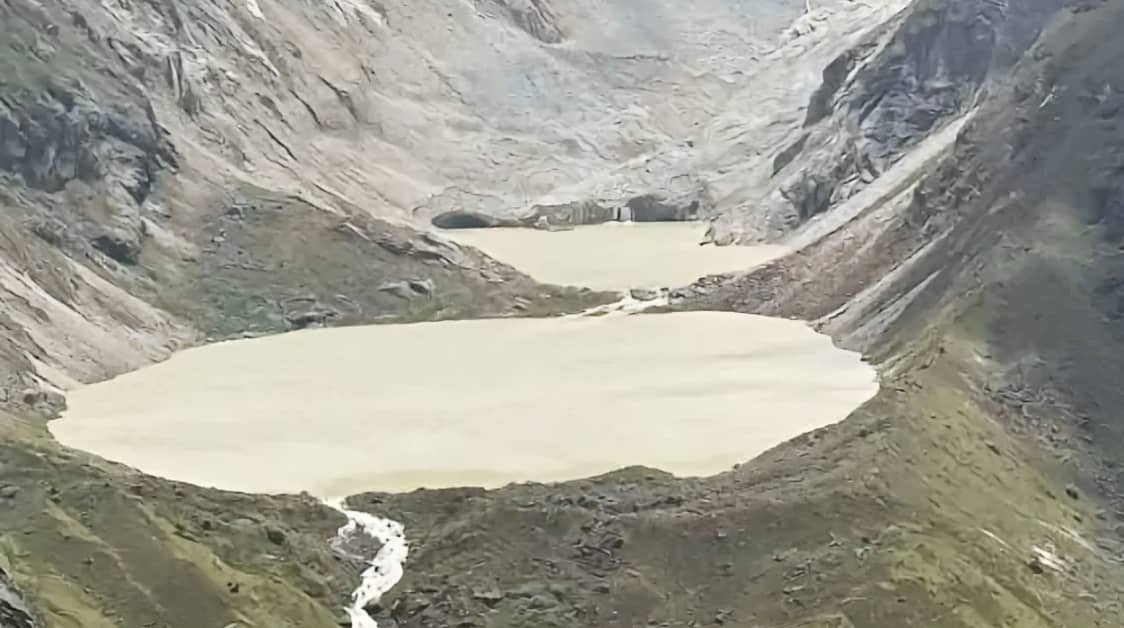
A glacial lake breach in Bhutan has raised concerns about the possibility of flooding in downstream regions of Assam and West Bengal. The incident has drawn attention to the natural disaster risks associated with glacial lakes in the Himalayan region and the potential impact on communities located along river systems that cross national borders.
Glacial lakes are formed when melting glaciers release water that collects in natural depressions or behind barriers made of ice, rocks and other materials. These lakes can grow over time as temperatures rise and glaciers continue to melt. In certain conditions, the natural barriers holding the water may weaken or collapse, allowing large volumes of water to flow downstream within a short period.
Such events are commonly known as glacial lake outburst floods. They can cause sudden increases in river levels and create dangerous conditions in downstream areas. Depending on the volume of released water, river conditions and local geography, the impact may extend across considerable distances.
Why Glacial Lake Breaches Create Flood Risks
Glacial lakes are often located in high-altitude areas where weather conditions and geographical features make regular monitoring difficult. Changes in temperature, heavy rainfall, landslides, avalanches and instability in natural barriers can increase the risk of a sudden release of water.
When a lake breaches, water can move rapidly through mountain valleys and enter connected rivers. The speed and volume of the flow may leave communities with limited time to respond. Areas located close to riverbanks, bridges and low-lying settlements can be particularly vulnerable.
The impact of a glacial lake outburst flood depends on several factors, including the size of the lake, the amount of water released, the distance travelled and the condition of downstream river channels. Not every glacial lake breach results in severe flooding far from the source. However, even a relatively short-duration flood can damage roads, bridges, agricultural land and other essential infrastructure.
Concerns for Assam and West Bengal
The latest incident in Bhutan has raised concerns in Assam and West Bengal because rivers originating in or flowing through the Himalayan region connect areas across national boundaries. Changes in water flow in upstream regions can affect downstream river conditions, depending on the location and scale of the event.
In Assam, communities living near rivers are already familiar with seasonal flooding and riverbank erosion. A sudden increase in water levels can create additional difficulties for residents, farmers and people who depend on river-based livelihoods. Roads, bridges, agricultural fields and public infrastructure may also face risks if floodwaters reach vulnerable locations.
In West Bengal, concerns may arise in downstream areas connected to rivers flowing from the Himalayan region. Flood conditions can affect settlements, transport networks and agricultural activities. However, the actual impact depends on the route of the released water, river levels and local conditions.
The reported breach alone does not establish that severe flooding will occur in either state. The extent of any downstream impact must be assessed through official water-level monitoring, flood forecasts and information from disaster management authorities.
Growing Environmental Risks in the Himalayas
The Himalayan region contains numerous glaciers and glacial lakes. Changes in the climate are affecting glaciers and the natural systems surrounding them. Rising temperatures contribute to glacier melting, which can influence the formation and expansion of glacial lakes.
Scientists and disaster management experts have identified glacial lake outburst floods as an important hazard in several Himalayan areas. The risk is particularly concerning because these events can occur in remote locations and affect communities far downstream.
The consequences are not limited to flooding. Strong water flows can carry rocks, soil, trees and other debris. This can increase the destructive force of the flood and damage infrastructure along its path. In mountainous areas, the loss of roads and bridges can also make rescue and relief operations more difficult.
Importance of Monitoring and Early Warning Systems
Continuous monitoring of glacial lakes and river systems is essential for reducing disaster risks. Satellite images, ground-based observations, water-level sensors and weather monitoring can help authorities identify possible warning signs.
Early warning systems can provide communities with valuable time to move to safer locations. Clear communication is particularly important for villages and settlements located close to rivers. Local administrations must ensure that residents understand evacuation instructions and know which areas are safer during emergencies.
Coordination between Bhutan and downstream Indian states is also important when a natural event may affect shared river systems. Timely exchange of information can help authorities assess the situation and prepare appropriate responses.
Preparedness Is Essential
The glacial lake breach in Bhutan highlights the importance of disaster preparedness across the Himalayan region. Governments need to strengthen monitoring systems, improve flood forecasting and regularly review emergency response plans. Infrastructure located in vulnerable areas should also be assessed for possible flood damage.
Residents in potentially affected regions should follow official announcements and avoid spreading unverified information about flood conditions. People living near riverbanks should pay attention to warnings from local authorities and follow evacuation instructions when issued.
The incident serves as a reminder that natural disasters in mountainous regions can have consequences beyond national borders. Effective monitoring, scientific assessment and cooperation between neighbouring countries are essential to protect communities, infrastructure and livelihoods from glacial lake-related flood risks.