Iran Reportedly Imported More Than 2 Billion Dollars in Military Hardware Through Secret Network Despite US Sanctions
Iran has reportedly imported more than 2 billion dollars worth of military hardware since January 2025 through an extensive network of secret military associated agencies, according to an investigation by Reuters. The investigation states that the network includes more than 5,000 agencies allegedly connected to military procurement activities.
The findings have drawn international attention to Iran's efforts to obtain military equipment despite restrictions imposed by the United States. They also raise questions about the effectiveness of sanctions and the challenges involved in monitoring international trade networks suspected of supporting military procurement.
According to the Reuters investigation, the reported network has helped Iran maintain access to military related hardware through a complex system of organisations and intermediaries. The scale of the alleged network suggests that tracking procurement activities can be difficult when multiple agencies and commercial entities are involved.
The investigation highlights the continuing importance of sanctions enforcement, international financial monitoring and efforts to prevent restricted military equipment from reaching sanctioned organisations.
Reuters Investigation Highlights Extensive Procurement Network
The Reuters investigation reports that Iran has developed a network involving more than 5,000 secret military associated agencies. These organisations are allegedly connected to the procurement and import of military hardware.
The reported network is significant because international sanctions are designed to restrict the ability of targeted governments and organisations to obtain certain goods, technologies and financial services. However, complex procurement arrangements can make enforcement difficult.
Military procurement may involve several stages, including identifying equipment, arranging purchases, coordinating transportation and completing financial transactions. When multiple organisations and intermediaries participate, authorities may face difficulties identifying the ultimate beneficiaries of particular transactions.
The Reuters findings suggest that Iran has continued to obtain military related equipment through a broad network despite restrictions. However, the specific identities of the agencies, their individual roles and the full details of the reported transactions require examination of the investigation's underlying evidence.
The reported figure of more than 5,000 agencies also highlights the scale of the alleged procurement structure. It does not necessarily mean that every organisation independently purchased military equipment or carried out the same activities.
More Than 2 Billion Dollars in Reported Imports
One of the most significant findings in the investigation is the reported value of military hardware imports. According to Reuters, Iran's network helped obtain equipment worth more than 2 billion dollars since January 2025.
The reported amount indicates the scale of procurement activity that allegedly continued despite US restrictions. Access to military equipment and related technologies can be important for maintaining defence capabilities, repairing existing systems and supporting military development programmes.
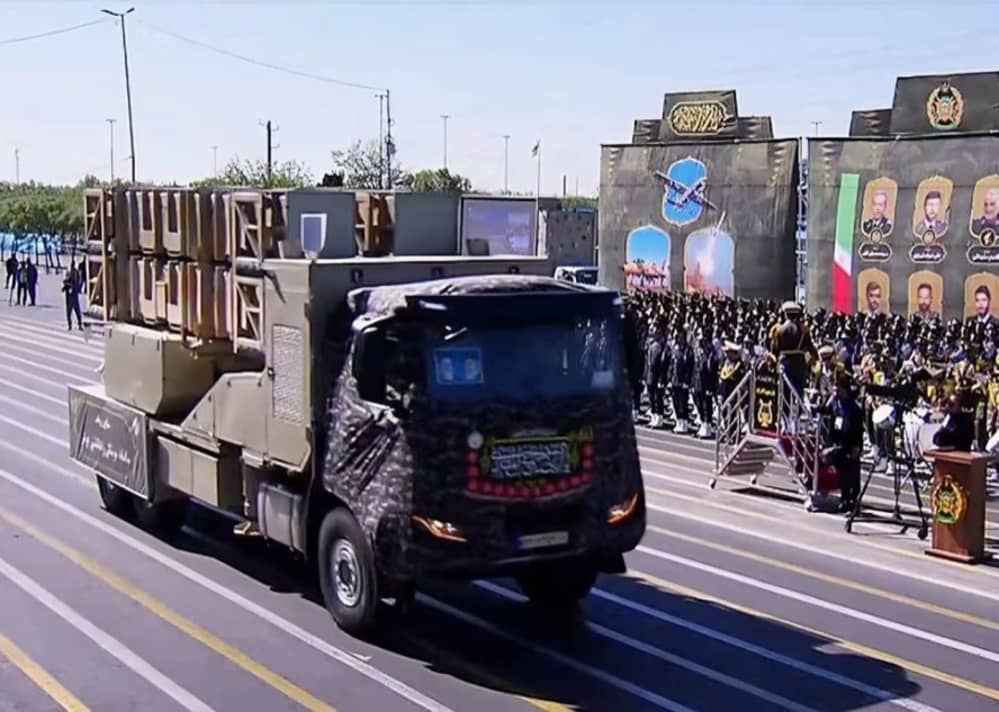
The term military hardware can cover a wide range of equipment and components. Depending on the products involved, such imports may support different defence related functions.
However, the information provided does not identify the complete list of imported equipment, the countries of origin, the suppliers or the individual transactions that make up the reported total. Those details are important for understanding the military significance of the imports.
The reported value should therefore be attributed to the Reuters investigation rather than presented as an independently confirmed official figure.
Challenges in Enforcing US Sanctions
The reported procurement network highlights the difficulties involved in enforcing economic and trade sanctions. The United States has imposed restrictions on Iran over several issues, including its nuclear programme, military activities and regional policies.
Sanctions can limit access to international banking services, restrict trade in sensitive technologies and prevent designated organisations from conducting certain business activities. They are also intended to discourage companies and individuals from supporting restricted transactions.
However, enforcement becomes more complicated when transactions involve several intermediaries, different jurisdictions and organisations with unclear ownership structures.
Authorities responsible for monitoring sanctions must identify the companies involved, examine financial transactions and establish whether restricted goods are being supplied to prohibited end users.
The reported Iranian network raises questions about how procurement activities can continue despite these restrictions. It also demonstrates why international cooperation is important when investigating transactions that cross national borders.
Financial institutions, customs authorities and regulatory agencies may all play a role in identifying suspicious activity and preventing prohibited transactions.
Role of Secret Agencies and Intermediaries
The reported involvement of thousands of military associated agencies points to the possible importance of intermediaries in Iran's procurement activities.
In international trade, intermediaries can perform several functions, including connecting buyers with suppliers, arranging logistics and managing commercial transactions. When such organisations are linked to restricted military procurement, identifying their ownership and actual purpose becomes particularly important.
Investigations into these networks can be complicated by the involvement of multiple companies and business relationships. Authorities may need to examine corporate records, shipping documents, financial transfers and other commercial information to establish how a particular transaction was organised.
The Reuters investigation's reported findings suggest that Iran's procurement structure is extensive. However, the precise responsibilities of the agencies and the methods used in individual transactions should be understood through the detailed evidence presented in the investigation.
The distinction between an ordinary commercial organisation and an entity supporting restricted military procurement is also important. Not every company operating in a complex international supply chain is necessarily involved in sanctions violations.
International Security Implications
The reported imports have wider implications for international security because military procurement can influence a country's defence capabilities and regional position.
Iran remains an important player in Middle Eastern geopolitics. Its military activities and defence programmes are closely watched by the United States, Israel and other regional countries.
Any indication that Iran has continued obtaining military equipment despite sanctions may increase concerns among governments monitoring its military capabilities.
The reported procurement network could also influence discussions about the effectiveness of international restrictions. If sanctioned organisations can continue accessing restricted equipment through complicated commercial arrangements, governments may consider stronger monitoring and enforcement measures.
At the same time, the actual security implications depend on the type of equipment imported, its intended use and the organisations receiving it. The reported total value alone does not establish the operational impact of the purchases.
Why the Findings Matter for Global Sanctions Policy
The investigation has brought renewed attention to the wider challenges facing international sanctions policy.
Sanctions are intended to influence government behaviour by restricting access to financial resources, technologies and international markets. Their effectiveness depends partly on how successfully countries coordinate enforcement and monitor suspected violations.
When procurement networks operate across multiple jurisdictions, individual governments may not have complete information about every transaction. Cooperation between countries can help investigators identify suppliers, financial connections and the movement of restricted goods.
The reported Iranian network also raises questions about corporate transparency. Clear ownership information and accurate trade records can help authorities identify organisations that may be acting on behalf of restricted entities.
International monitoring efforts may therefore focus not only on the final buyer but also on the suppliers, financial institutions, shipping companies and intermediaries involved in the supply chain.
Further Verification Remains Important
The Reuters investigation has presented significant claims about Iran's military procurement activities, including the reported involvement of more than 5,000 agencies and imports valued at over 2 billion dollars since January 2025.
These findings highlight the challenges of enforcing US sanctions and monitoring international military supply networks. They also underline the importance of transparency in global trade and financial transactions.
However, the full significance of the findings depends on the details of the investigation, including the identities of the organisations, the nature of the imported equipment and the evidence connecting the transactions to military procurement.
For now, the reported findings have raised fresh questions about Iran's ability to maintain military supply channels despite international restrictions. They are likely to contribute to wider discussions about sanctions enforcement, regional security and the monitoring of sensitive international trade.