Putin Says Russia Is Ready for Possible Conflict With Europe as Iran's Secret Military Procurement Network Draws Attention
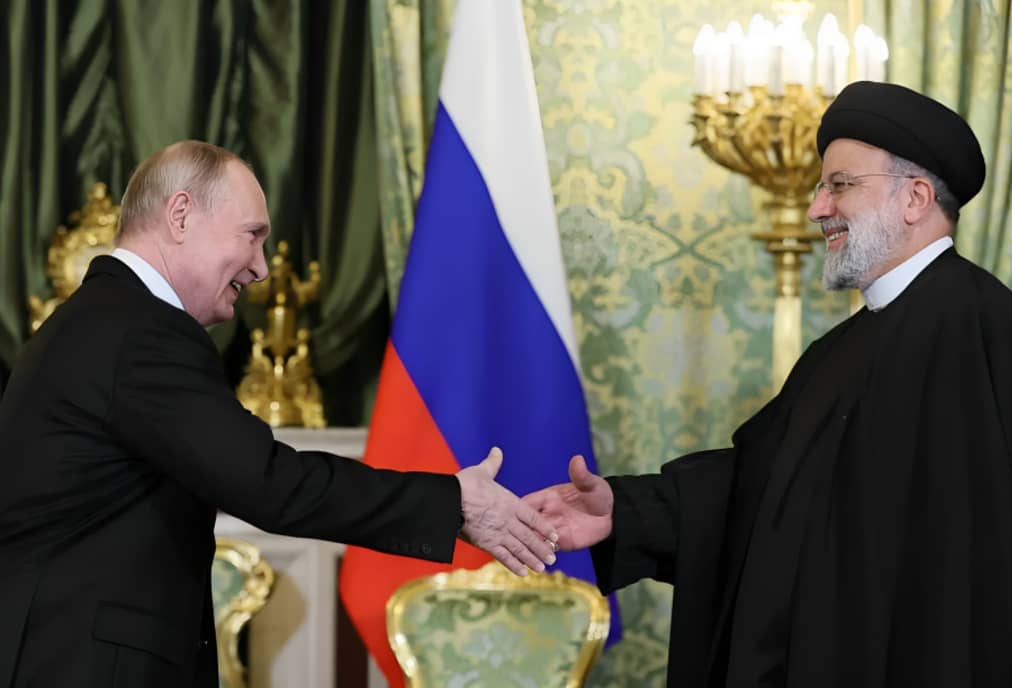
Russian President Vladimir Putin has stated that Russia is prepared for a potential conflict with European countries, while making it clear that Moscow does not want a war. He emphasised that Russia would respond if its security faced threats. His remarks have attracted international attention amid continuing tensions between Russia and European nations.
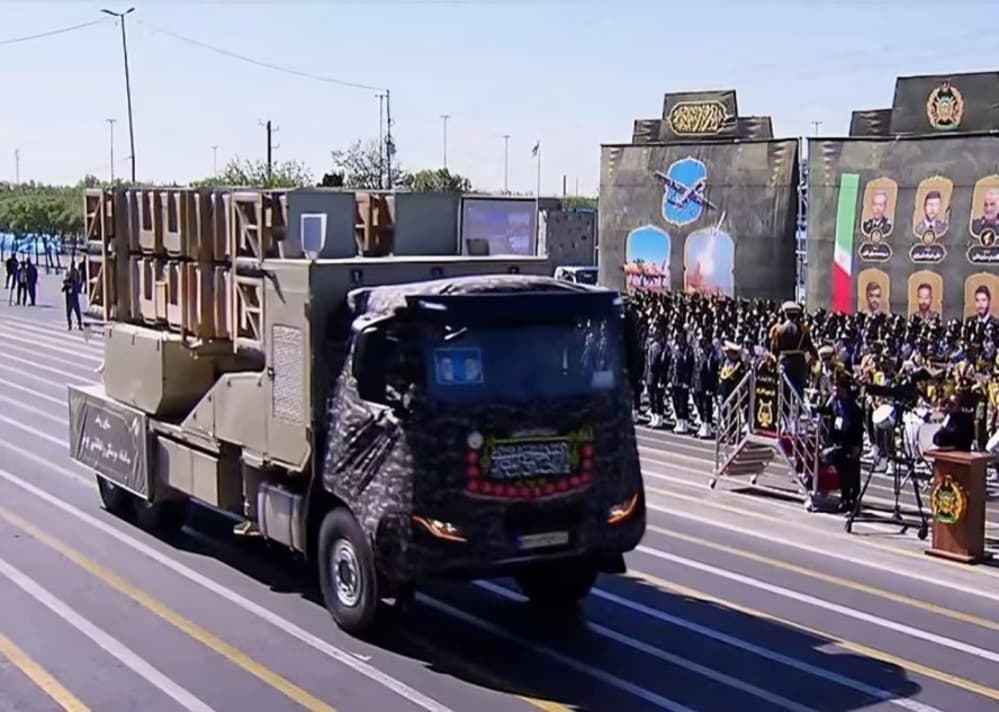
At the same time, a Reuters investigation has reported that Iran imported more than 2 billion dollars worth of military hardware since January 2025 through a network of more than 5,000 secret military associated agencies. The reported procurement activities have raised questions about the effectiveness of US sanctions and the challenges of monitoring international military supply networks.
Although these developments involve different countries and separate geopolitical issues, both highlight continuing concerns about military preparedness, international security and the impact of tensions between major global powers.
Putin Says Russia Does Not Seek War With Europe
Vladimir Putin has stated that Russia is not looking for a military confrontation with Europe. However, he warned that Moscow would be prepared to respond if European countries or other parties created threats to Russian security.
His remarks underline the position that Russia considers its security interests a major factor in its foreign and defence policies. The statement also reflects the continuing tensions between Moscow and European governments over security and military developments.
Putin's comments are significant because relations between Russia and European countries have remained strained. Differences over security arrangements, military preparedness and the broader conflict involving Ukraine have contributed to uncertainty across the region.
The Russian President's warning suggests that Moscow wants other countries to consider the possible consequences of any action it views as a direct threat. At the same time, his statement that Russia does not seek war indicates that the country is presenting its position as defensive rather than an intention to initiate a new conflict.
However, the remarks should not automatically be interpreted as confirmation that a military confrontation between Russia and Europe is imminent.
Russia and Europe Face Continuing Security Tensions
Relations between Russia and European countries have been under pressure due to disagreements over regional security and military developments.
European governments have continued to assess their defence requirements amid concerns about the wider security situation. Russia, meanwhile, has repeatedly expressed objections to developments that it considers harmful to its strategic interests.
Such differences can increase diplomatic tensions and influence military planning on both sides. Statements from political leaders also play an important role in communicating national positions and warning other governments about possible consequences.
Putin's latest remarks have once again brought attention to the relationship between Moscow and European capitals. His statement that Russia is ready to respond to threats highlights the importance the Russian government places on national security.
Nevertheless, diplomatic communication remains important in preventing disagreements from developing into direct military confrontation. Any escalation could have consequences extending beyond Russia and Europe, affecting international trade, energy markets and global political stability.
Iran's Reported Military Procurement Network
Separately, a Reuters investigation has reported that Iran has used a network of more than 5,000 secret military associated agencies to import military hardware worth over 2 billion dollars since January 2025.
According to the investigation, the network has helped Iran continue obtaining military related equipment despite restrictions imposed by the United States.
The reported findings have drawn attention to the complexity of international military procurement. When several companies and intermediaries are involved in purchasing and transporting equipment, identifying the final destination and intended users can become difficult.
Military procurement can involve several stages, including identifying suppliers, arranging purchases, managing transportation and completing financial transactions. A large network of organisations can make it more challenging for authorities to monitor these activities.
The investigation suggests that Iran's procurement structure is extensive. However, the exact responsibilities of every agency and the nature of all imported equipment need to be understood through the detailed evidence presented in the investigation.
More Than 2 Billion Dollars in Reported Military Imports
One of the major findings highlighted by Reuters is the reported value of Iran's military hardware imports.
The investigation states that the value exceeded 2 billion dollars from January 2025 onwards. This figure has raised questions about how Iran has maintained access to military related equipment despite US restrictions.
Military hardware can include different types of equipment and components used for defence related activities. Such imports may support the maintenance of existing systems, military infrastructure and other defence requirements.
However, the information provided does not identify the complete list of imported products, the countries from which they originated or the suppliers involved.
The reported value should therefore be attributed to the Reuters investigation. It should not be presented as an independently confirmed official figure unless additional evidence is available.
Challenges in Enforcing US Sanctions Against Iran
The reported procurement network highlights the difficulties involved in enforcing international sanctions.
The United States has imposed various restrictions on Iran over concerns related to its nuclear programme, military activities and regional policies. These measures are intended to restrict access to certain technologies, financial services and international trade opportunities.
However, sanctions enforcement can become complicated when transactions involve multiple intermediaries and organisations operating across different countries.
Authorities must identify the companies involved, examine financial transactions and determine whether restricted goods have reached prohibited organisations.
The reported involvement of thousands of agencies raises questions about the ability of international authorities to monitor complex procurement networks. It also highlights the importance of cooperation between governments, financial institutions and customs authorities.
Wider Implications for International Security
The statements from Putin and the findings of the Reuters investigation have emerged against a backdrop of continuing international security concerns.
Russia's warning to Europe highlights the importance of diplomatic relations and military communication in preventing further tensions. A direct confrontation between Russia and European countries could have serious consequences for regional and global stability.
Similarly, the reported Iranian military procurement activities have renewed attention on sanctions enforcement and the movement of sensitive equipment through international trade networks.
These developments involve separate geopolitical situations and should not be interpreted as evidence of direct coordination between Russia and Iran.
However, both demonstrate the challenges faced by the international community in managing security risks involving major military powers.
Diplomatic Efforts Remain Important
As geopolitical tensions continue, diplomatic engagement remains an important method of preventing military escalation.
Communication between governments can help clarify intentions, reduce misunderstandings and create opportunities to address security concerns.
In the case of Russia and Europe, continued diplomatic channels could help prevent political disagreements from developing into direct confrontation. Similarly, international monitoring and diplomatic engagement remain important in addressing concerns about Iran's military procurement activities.
Governments and international organisations are likely to continue monitoring these developments because of their possible implications for global security.
International Attention on Military Preparedness
Putin's remarks have renewed attention on Russia's relationship with Europe and Moscow's position on potential security threats. His statement that Russia does not seek war, but is prepared to respond, reflects the continuing importance of defence and security in Russian foreign policy.
Meanwhile, the Reuters investigation into Iran's reported procurement network has highlighted the challenges of enforcing sanctions and monitoring international military trade.
Both developments underline the complexity of the current geopolitical environment. While there is no confirmed evidence in the supplied information linking the two situations, they demonstrate how military preparedness, international restrictions and diplomatic tensions continue to shape global affairs.
Further developments and official statements will be important in understanding the possible consequences for international security.