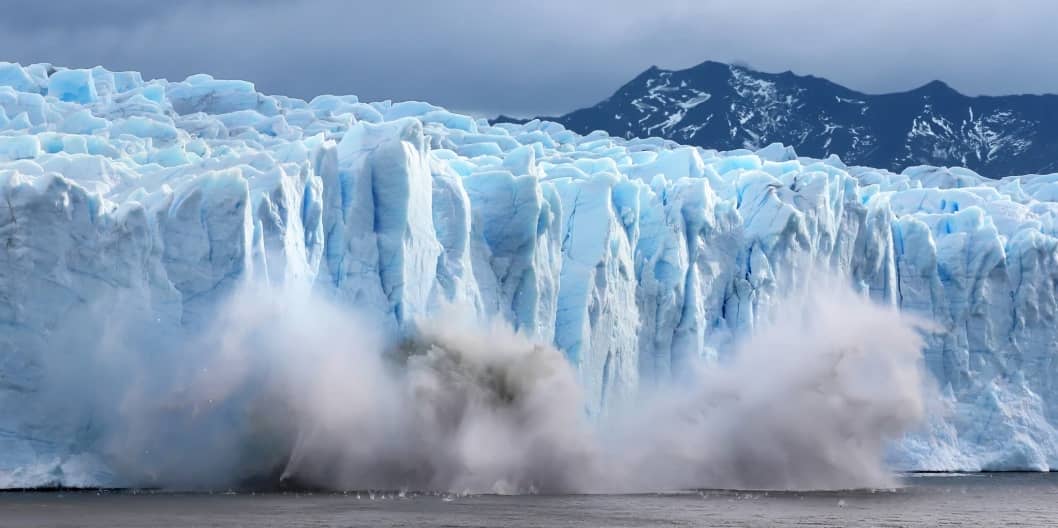
The global scientific community has raised fresh concerns about the rapid and unprecedented melting of glaciers worldwide. According to new research data released by climate experts, glaciers in many regions, including the Himalayas, the Arctic, the Andes, and the European Alps, are retreating at the fastest rate ever recorded in modern history. This development has intensified discussions on climate change, environmental stability, and the future of water resources for millions of people.
Researchers point out that rising global temperatures, driven primarily by human-induced greenhouse gas emissions, are the leading cause behind this accelerated ice loss. In the past few decades, average global temperatures have increased steadily, pushing fragile mountain glacier systems to the brink. Scientists warn that if current warming trends continue, many glaciers could lose more than half of their ice mass by the end of this century.
The consequences are far reaching. One of the most immediate impacts of glacier loss is the rise in global sea levels. As glaciers melt at an increasing pace, vast amounts of freshwater flow into seas and oceans, raising water levels and putting coastal cities at risk of flooding. Countries with long coastlines, including India, face heightened vulnerability due to this phenomenon.
In addition to rising seas, glacier retreat affects the natural flow of rivers and freshwater systems. In regions like the Himalayas, glaciers play a crucial role in sustaining perennial rivers such as the Ganga and Brahmaputra. As glaciers shrink, these rivers may initially swell due to increased meltwater, but eventually, the reduced ice mass will lead to long-term water shortages. This threatens agriculture, drinking water supplies, hydropower production, and the overall stability of communities living downstream.
Environmental scientists caution that the loss of glacier ice also affects local climates and ecosystems. Glaciers act as natural reflectors, bouncing sunlight back into space. When they melt, darker land surfaces absorb more heat, contributing to faster warming. This phenomenon, known as the albedo effect, accelerates climate change in a damaging cycle. Mountain ecosystems, which host unique species of plants and animals, are also under threat as their habitats rapidly transform.
The scientific community is calling for urgent and coordinated global action to address the crisis. Experts emphasise that reducing carbon emissions, shifting to renewable energy sources, and adopting sustainable land use practices are essential steps to slow down the rate of glacier loss. They also stress the importance of strengthening monitoring systems to better understand changes in glacial regions and to plan adaptation measures for vulnerable communities.
Governments, international organisations, and climate scientists continue to urge nations to meet their commitments under global climate agreements. The melting of the world’s glaciers, they say, is a stark reminder that climate change is no longer a distant threat but a present reality. The coming decades will determine whether the international community can slow the pace of environmental decline and safeguard vital natural systems for future generations.