

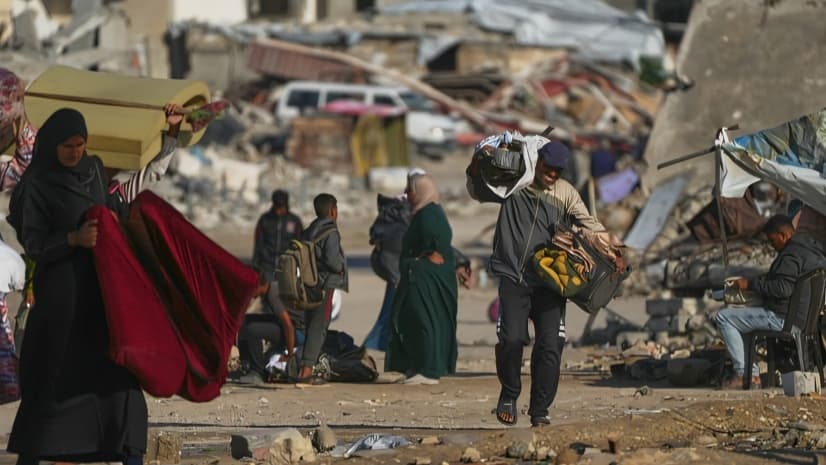
The United Nations has given its approval to a US-led initiative for the deployment of an international stabilization force in Gaza. This decision comes after extensive deliberations among member nations, driven by the urgent need to address the deteriorating humanitarian and security situation in the region. The UN resolution authorizes participating nations to send peacekeeping personnel, equipment, and support teams to help restore order, protect civilians, and facilitate aid distribution.
According to diplomatic sources, the plan proposes establishing secure humanitarian corridors, ensuring safe movement for civilians, medical teams, and relief organizations. The stabilization force will also play a key role in monitoring ceasefire conditions, preventing further escalations, and assisting local authorities in maintaining law and order. While the mission is not intended to replace existing governance structures, it aims to stabilize key areas long enough to allow recovery efforts to progress.
The United States, which introduced the proposal, emphasized that the initiative is purely humanitarian, with the goal of reducing conflict and supporting long-term peace efforts. Senior officials highlighted that the force will operate under strict UN guidelines, with transparency and international oversight. Several nations have already expressed their willingness to contribute personnel and resources, though final commitments are expected to be confirmed in the coming weeks.
The humanitarian situation in Gaza has been a major concern for global agencies, with shortages of food, medicine, and shelter affecting thousands of families. The UN’s approval of an international force is seen as a necessary step toward enabling relief organizations to carry out their operations without interference. Aid groups have welcomed the decision, stating that improved security conditions will significantly enhance the effectiveness of relief missions.
However, the proposal has also sparked debates among member states. Some nations raised concerns about the long-term nature of the mission and the potential risks faced by deployed forces. Others questioned whether the stabilization plan can truly address the root causes of conflict in the region. Despite differing viewpoints, the resolution passed with sufficient support, reflecting a collective desire to prevent further humanitarian deterioration.
Regional reactions have been mixed. While some leaders have expressed cautious optimism, others urge clarity on how the mission will interact with local authorities and existing security frameworks. Analysts believe that the success of the operation will depend heavily on cooperation from all parties involved and the mission’s ability to maintain neutrality.
In the coming days, the UN will begin formal coordination with contributing nations to finalize deployment schedules, operational areas, and command structures. The stabilization force is expected to arrive in phases, prioritizing areas with the highest humanitarian needs.
The approval of this proposal marks a significant moment in international efforts to stabilize Gaza. With global support and careful implementation, the mission aims to reduce violence, protect civilians, and create the conditions necessary for sustainable peace and recovery.


