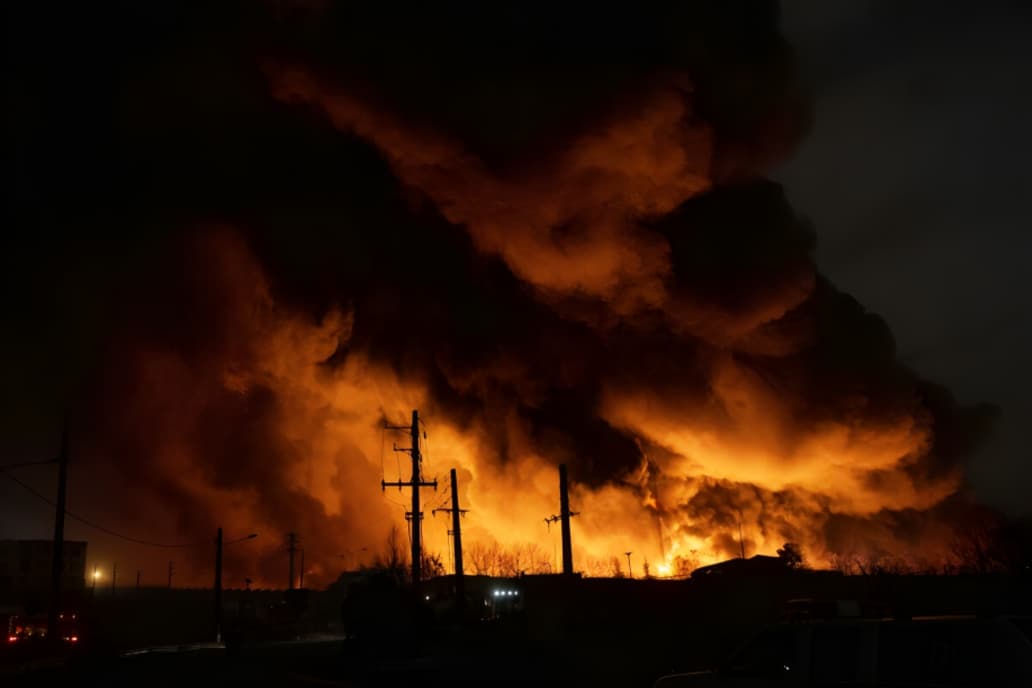
Video footage circulating online shows Hamas conducting mass executions of suspected militants in Gaza, occurring just days after reports of a peace agreement with Israel. The public executions have raised widespread concern and condemnation from international observers, human rights organizations, and political analysts. The footage depicts coordinated actions by armed members, targeting individuals accused of challenging Hamas authority or violating internal regulations.
The executions highlight the challenges of maintaining security and authority in Gaza, even in the context of formalized peace agreements. While political leaders may pursue negotiations or ceasefires, enforcement of internal control often remains a priority for governing factions. Analysts suggest that such public displays of force aim to consolidate power, deter dissent, and reinforce the organization’s influence over the local population.
Human rights organizations have expressed alarm over the executions, emphasizing that such acts violate international law and basic principles of justice. Public executions, particularly of suspected militants or political opponents, raise serious ethical and humanitarian concerns. Advocacy groups urge global institutions to investigate the incidents and press for accountability and protection of civilian rights.
Observers note that the timing of the executions, shortly after a peace agreement with Israel, sends a complex signal regarding the situation in Gaza. While diplomatic efforts focus on reducing cross-border tensions and preventing conflict escalation, internal enforcement actions by Hamas demonstrate that governance and control remain contentious issues. Analysts warn that these measures could undermine trust in the peace process and complicate negotiations with external stakeholders.
The executions also highlight broader political dynamics within Gaza and the region. Power struggles, ideological differences, and challenges in governance contribute to ongoing instability. Experts emphasize that internal security measures, when enforced with violence, can exacerbate tensions and impact public perception both locally and internationally.
Global media coverage of the incident has increased scrutiny on Hamas’ methods of maintaining authority. Governments, international organizations, and human rights advocates are calling for transparency, investigation, and adherence to international legal standards. Meanwhile, local populations are reportedly facing increased fear and uncertainty amid the heightened security measures.
In conclusion, the recent executions carried out by Hamas in Gaza underscore the ongoing complexities of governance and security in the region. While formal peace agreements with Israel may be in place, internal enforcement actions continue to reflect the challenges of maintaining authority and addressing dissent. International observers stress the importance of monitoring these developments, ensuring accountability, and promoting peaceful resolution to prevent further escalation of tensions in Gaza and the surrounding region.