
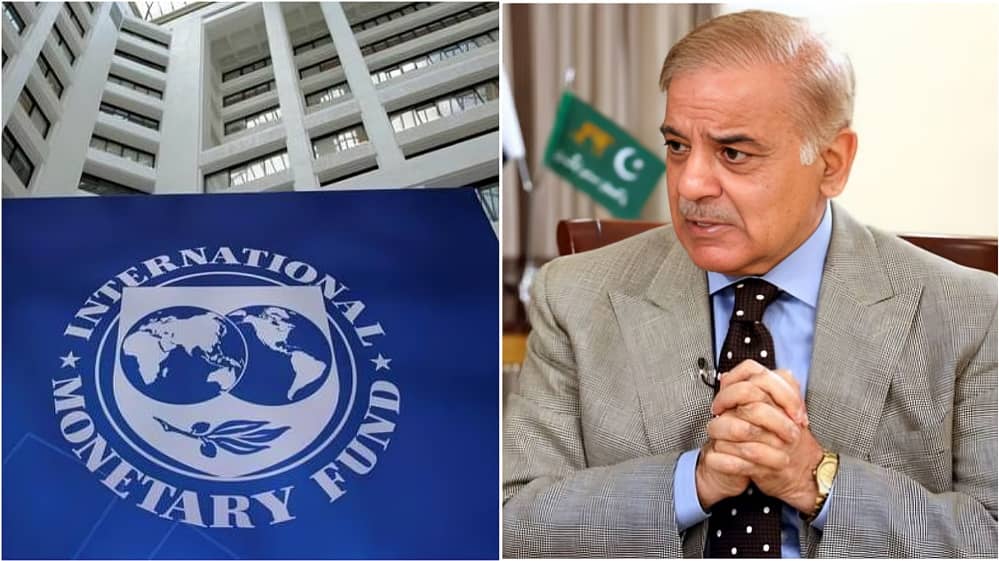

The International Monetary Fund (IMF) has imposed 11 additional structural conditions on Pakistan as part of its $7 billion Extended Fund Facility, increasing the total number of conditions to 64 over the past 18 months. The move is aimed at ensuring Pakistan implements crucial reforms to stabilize its economy, address fiscal deficits, and restore confidence among international investors.
The new conditions cover a broad spectrum of economic reforms, including improvements in taxation, energy sector restructuring, public sector efficiency, and financial governance. The IMF has stressed that compliance with these measures is critical for the continuation of financial support under the Extended Fund Facility. Officials from Pakistan’s finance ministry indicated that the government will need to take immediate steps to meet the IMF’s requirements to avoid disruptions in disbursements.
Pakistan’s economy has been under significant pressure due to high inflation, a depreciating currency, widening fiscal deficits, and rising external debt. The IMF’s increased conditionality is seen as a response to the slow pace of previous reform implementations and the need to ensure long-term economic stability. Experts note that while the financial assistance provides crucial liquidity, the stringent conditions also limit the government’s policy flexibility and require careful prioritization of reforms.
The Extended Fund Facility was originally designed to help Pakistan manage macroeconomic challenges, maintain foreign exchange reserves, and stabilize public finances. Since the program’s inception, Pakistan has implemented several reforms, but persistent structural weaknesses and external shocks have prompted the IMF to tighten oversight. The latest 11 conditions emphasize transparency in public spending, accountability in state-owned enterprises, and measures to increase revenue collection.
Financial analysts argue that the IMF’s conditionality serves both as a safeguard for international lenders and as a roadmap for Pakistan to achieve sustainable economic growth. These measures are intended to restore investor confidence, attract foreign investment, and stabilize the currency. However, the government faces political and social challenges in implementing reforms, particularly those that affect subsidies, taxation, and public sector employment.
The international community is closely monitoring Pakistan’s response to the IMF’s requirements. Timely compliance with these conditions is critical for maintaining foreign aid flows, preventing a balance of payments crisis, and ensuring economic stability. Failure to meet the requirements could jeopardize ongoing financial support and increase pressure on the government to adopt stricter austerity measures.
In conclusion, the IMF’s imposition of 11 new conditions on Pakistan’s $7 billion bailout underscores the urgency of economic reforms in the country. While providing essential financial support, the stringent conditions highlight the challenges Pakistan faces in achieving fiscal stability, economic growth, and social welfare balance. Analysts emphasize that the coming months will be crucial for Pakistan to implement reforms effectively, meet the IMF’s conditionality, and restore confidence in its economic management.


