India and China have agreed to move forward with discussions on boundary delimitation and border management following the latest round of high level talks in Beijing. The development came after the 25th round of talks between the Special Representatives of the two countries on the long standing boundary question.
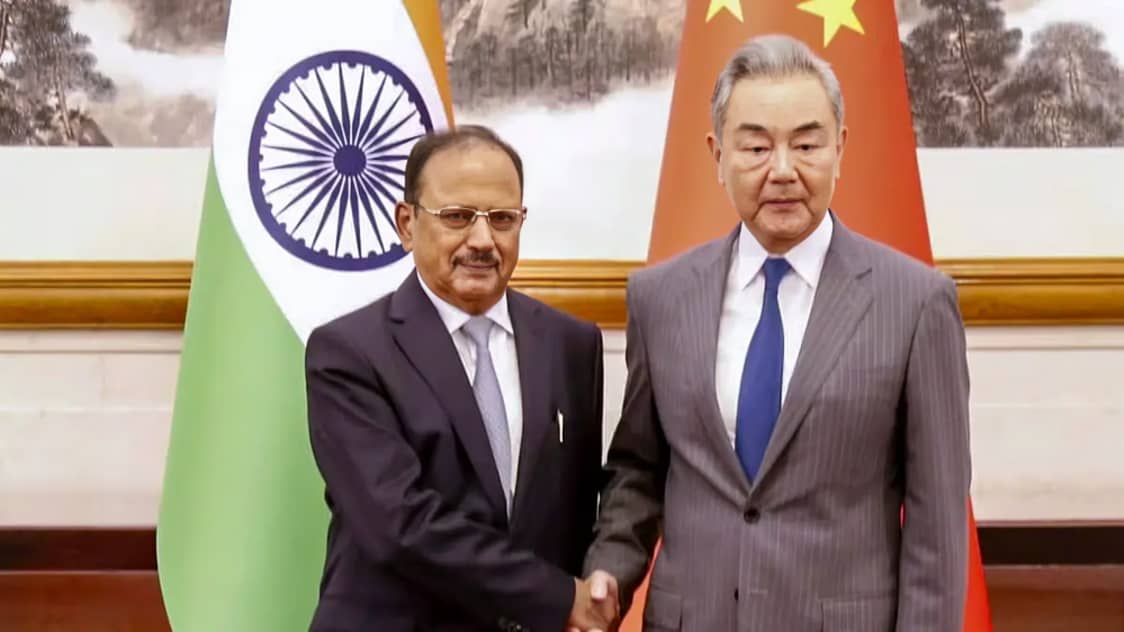
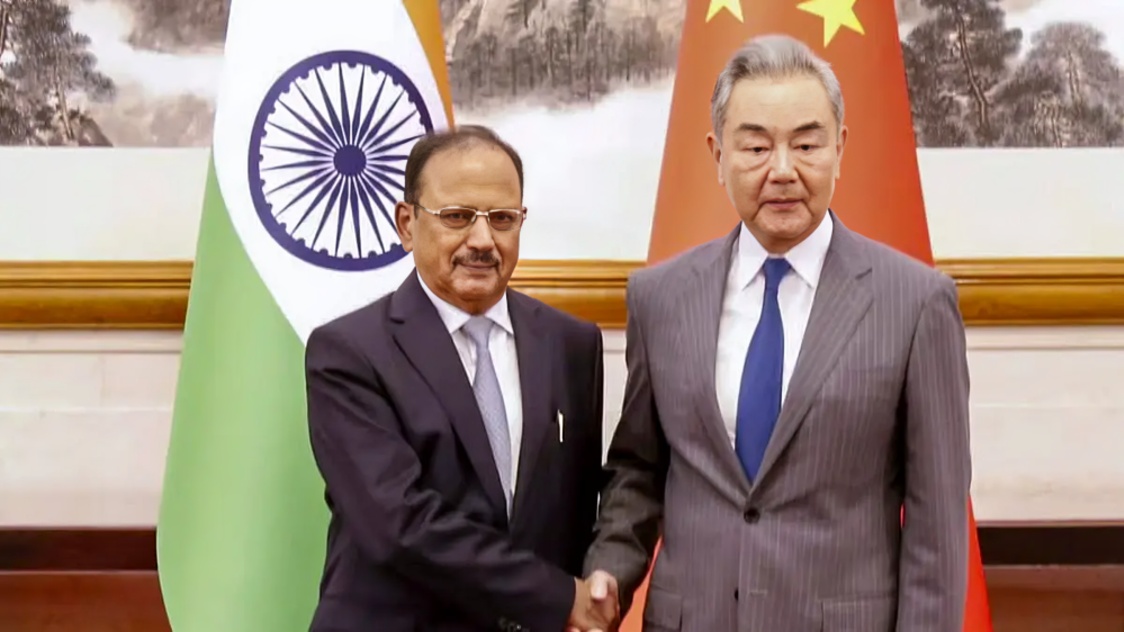
The discussions were held on August 25 in Beijing between India's National Security Adviser Ajit Doval and China's Foreign Minister Wang Yi, who are the designated Special Representatives for the boundary issue. The two sides held detailed discussions on the boundary question as well as broader bilateral relations.
Following the talks, India and China announced an eight point consensus. The agreement focuses on maintaining peace and tranquillity in the border areas, advancing negotiations on a framework for resolving the boundary question and improving mechanisms for managing situations along the Line of Actual Control.
A key element of the consensus is the decision to advance discussions on an Early and Substantial Harvest concerning boundary delimitation and border management. The Expert Group on Boundary Delimitation and the Working Group on Border Management under the Working Mechanism for Consultation and Coordination on China India Border Affairs will take forward these discussions. Their first task will be to finalise the respective terms of reference.
The two countries have also reaffirmed their commitment to finding a fair, reasonable and mutually acceptable solution to the boundary question. The negotiations will continue within the framework of the political parameters and guiding principles agreed upon by the two countries in 2005 and through subsequent Special Representatives meetings.
Border management and the prevention of unexpected incidents remain important aspects of the latest agreement. India and China have agreed that situations arising on the ground should be addressed promptly through existing diplomatic and military communication channels.
These mechanisms include the Working Mechanism for Consultation and Coordination, local commander level meetings and other agreed channels. The objective is to resolve outstanding issues quickly and reduce the possibility of misunderstandings or miscalculations along the Line of Actual Control.
The two countries have also agreed to strengthen military communication arrangements. Two additional meeting points will be established for General Level Mechanism and Senior Highest Military Commander meetings. In addition, two new border military hotline channels will be created in the eastern and middle sectors.
These measures are intended to improve communication between the two sides and provide additional mechanisms for dealing with situations that may arise along the disputed border. Better communication is considered important for preventing local incidents from developing into larger disputes.
The latest consensus comes after several years of tensions along the India China border. Relations between the two countries were severely affected following the 2020 military clash in eastern Ladakh, which resulted in a prolonged military standoff.
Since then, both sides have engaged in multiple rounds of diplomatic and military negotiations aimed at reducing tensions and restoring stability along the border. A disengagement agreement reached in October 2024 helped end the four year military standoff in key areas.
The latest discussions indicate that the two countries are now seeking to move beyond immediate border management and focus on longer term mechanisms for addressing the boundary question.
However, the latest agreement does not represent a final settlement of the India China boundary dispute. The two countries still have significant differences regarding the alignment and delimitation of their approximately 3,800 kilometre disputed Himalayan border. The latest consensus instead provides a framework for continuing negotiations and improving border management.
The two sides also discussed cooperation in areas beyond military and diplomatic engagement. According to the eight point consensus, India and China noted progress in cross border cooperation and agreed to strengthen exchanges in border trade, pilgrimage and other areas.
India welcomed China's efforts to increase the number of batches of Indian pilgrims travelling to Mount Gang Rinpoche and Lake Mapam Yun Tso in China's Xizang Autonomous Region. Both countries also noted the reopening of three designated border trading points.
Another area covered by the agreement is cooperation concerning trans border rivers. India and China have agreed to hold the next meeting of the Expert Level Mechanism on Trans border Rivers in September.
The two sides will continue communication on issues including hydrological data sharing and the renewal of relevant memoranda of understanding. Cooperation on trans border rivers is particularly important because several major rivers originate in or flow through the Himalayan region shared by the two countries.
The latest agreement also establishes a timeline for the next round of high level boundary discussions. India and China have agreed to hold the 26th round of Special Representatives talks in India in 2027.
The decision to continue high level talks demonstrates that both countries intend to maintain diplomatic engagement on the boundary issue. At the same time, the creation of additional military hotlines and meeting points indicates that practical border management remains an immediate priority.
For India, maintaining peace along the Line of Actual Control is important for national security as well as for broader bilateral relations with China. For China, stable relations with India are also significant for regional and economic considerations.
The latest developments suggest that both countries are attempting to manage their differences through dialogue while gradually expanding areas of cooperation. The eight point consensus provides several specific mechanisms for maintaining stability and addressing issues before they escalate.
The agreement also reflects an effort to separate day to day border management from the much more complicated question of final boundary settlement. While the two countries continue to work towards a long term solution, additional communication mechanisms can help prevent local incidents from creating wider tensions.
The phrase Early and Substantial Harvest is particularly significant because it indicates an attempt to achieve progress on selected aspects of boundary delimitation and border management before a comprehensive settlement of the entire boundary question is reached. However, details of what specific areas could form part of such an early outcome will depend on future negotiations.
The next phase of discussions will therefore be closely watched as the Expert Group and Working Group begin work on their respective terms of reference. Their progress could provide a clearer indication of how quickly the two countries can translate the latest political consensus into practical arrangements.
Overall, India and China have reached an eight point consensus aimed at advancing boundary delimitation discussions, strengthening border management and maintaining peace along the Line of Actual Control.
The agreement does not resolve the long standing boundary dispute, but it creates additional diplomatic and military mechanisms for managing differences. With further talks scheduled and new communication channels planned, both countries are expected to continue working towards greater stability along their shared border.