

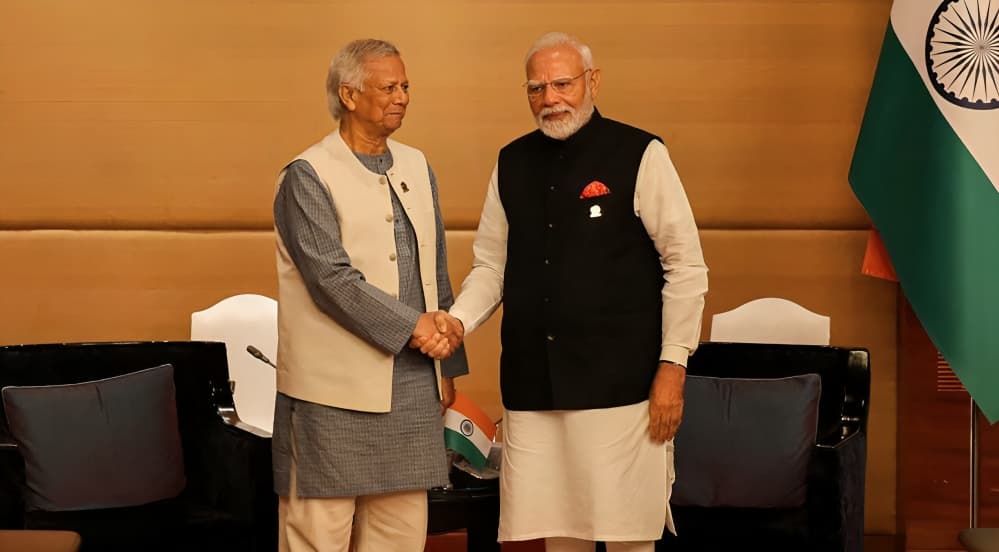
Relations between India and Bangladesh have shown signs of deterioration after Bangladesh’s foreign affairs adviser, M Touhid Hossain, suggested that Dhaka could consider reducing its diplomatic presence in New Delhi if tensions between the two countries intensify. The comments mark a notable shift in tone and have drawn attention across diplomatic circles in South Asia.
Speaking on the current state of bilateral ties, Hossain indicated that Bangladesh’s interim government is closely monitoring developments and may reassess its diplomatic engagement with India if unresolved issues continue to strain relations. Although he stopped short of announcing any immediate action, the possibility of scaling back diplomatic representation has raised concerns among analysts and policymakers.
India and Bangladesh have traditionally maintained strong ties rooted in historical, cultural, and economic cooperation. The two nations collaborate extensively on trade, border management, water-sharing agreements, and regional security initiatives. Any move to reduce diplomatic presence could complicate ongoing dialogue and coordination in these critical areas.
Diplomatic observers note that recent tensions have emerged from a combination of political, security, and policy-related disagreements. While details of specific points of contention were not elaborated in the statement, experts believe that sustained communication is essential to prevent further escalation. Diplomatic channels play a key role in addressing misunderstandings and managing differences between neighbouring countries.
Reducing diplomatic representation, such as downsizing embassy staff or limiting diplomatic engagement, is often seen as a symbolic yet significant step in international relations. Such actions can affect bilateral cooperation mechanisms and slow down negotiations on key issues. Analysts caution that any prolonged diplomatic strain could also have economic implications, particularly in trade and cross-border investments.
From a regional perspective, stable India-Bangladesh relations are considered vital for South Asian cooperation. Both countries are key players in regional groupings and share strategic interests in maintaining peace and stability in the region. A downturn in relations could have broader implications beyond bilateral ties.
Indian officials have not publicly responded to the remarks so far. Experts suggest that diplomatic engagement and dialogue remain the most effective tools to address differences and restore confidence. Historically, both countries have resolved disputes through negotiation and mutual understanding, reinforcing the importance of continued communication.
As the situation develops, observers will be watching closely for any official announcements or policy changes from either side. While the statement signals heightened tensions, analysts remain hopeful that diplomatic efforts will prevail and prevent a deeper rift between the two neighbours.


