
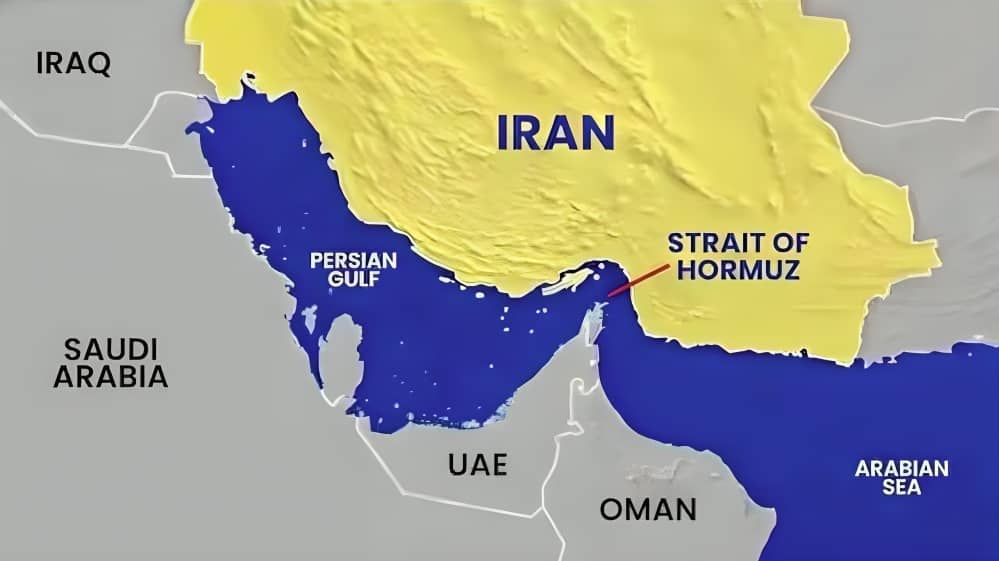
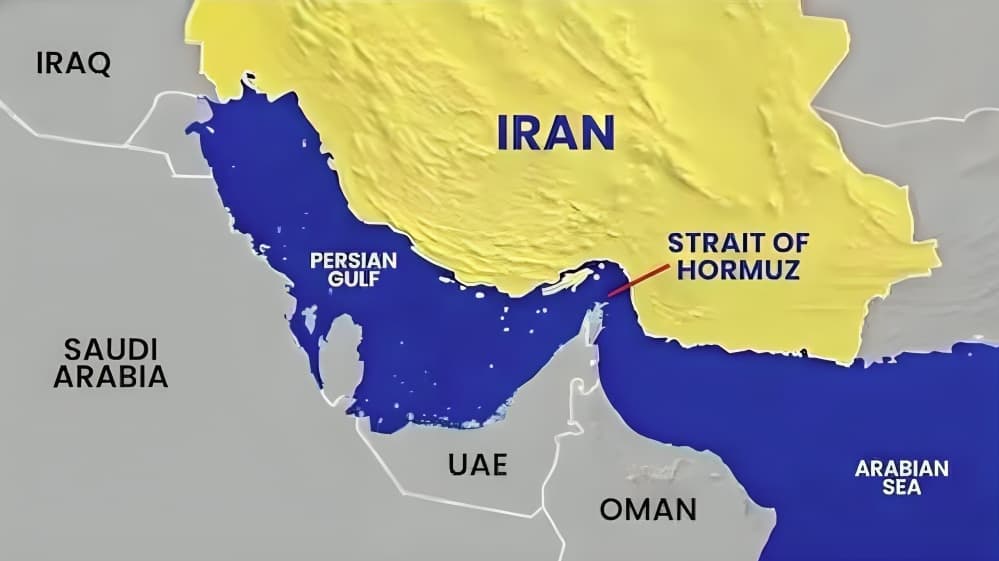
India has intensified diplomatic engagement with Iran as concerns grow over disruptions to global shipping in the Strait of Hormuz. The strait is one of the most important energy transit routes in the world, and any interruption in tanker traffic can significantly affect global oil supplies and energy prices.
Officials in New Delhi have indicated that India is prioritizing dialogue and diplomatic communication with Iranian authorities to help restore normal shipping operations in the region. Government representatives believe that constructive engagement can contribute to easing tensions and facilitating the safe passage of oil tankers through the vital corridor.
The situation in the Strait of Hormuz has drawn attention from several major global powers because the waterway serves as a primary route for transporting crude oil from the Gulf region to international markets. Disruptions in this area have already led to concerns about rising energy prices and supply uncertainties.
At the same time, Donald Trump has urged several countries including China, France and United Kingdom to consider deploying naval forces to help ensure the reopening of the waterway. The proposal involves sending warships to support efforts aimed at securing the shipping route.
However, different governments are weighing multiple options while assessing the evolving situation in the region. Some countries are examining diplomatic solutions while others are considering stronger security measures to protect maritime trade routes. Analysts note that any military involvement could potentially expand the existing tensions in the Middle East.
India’s approach has largely focused on diplomatic engagement rather than military participation. Officials believe that maintaining communication with Iran could provide a more stable and long term solution for restoring normal maritime activity. Diplomatic discussions are expected to focus on ensuring that international shipping lanes remain open and secure.
The Strait of Hormuz is particularly important for India because the country imports a large portion of its crude oil from Gulf nations. Any disruption to tanker movements through this route can directly affect energy supply chains and domestic fuel prices. As a result, India has a strong interest in ensuring that maritime trade continues without interruption.
Energy experts note that fluctuations in oil supply routes often lead to volatility in global markets. When shipping through the strait slows down or stops, the impact can be felt in fuel prices and transportation costs worldwide.
India’s diplomatic outreach reflects its broader foreign policy approach of balancing strategic interests while maintaining stable relations with multiple countries in the region. By focusing on dialogue, New Delhi aims to contribute to efforts that can reduce tensions and maintain the flow of essential energy resources.
As international discussions continue regarding the future of shipping in the Strait of Hormuz, India is expected to remain actively engaged with regional partners and global stakeholders. The government has emphasized that maintaining secure and reliable energy supply routes remains a key priority for the country.
Observers say that the outcome of diplomatic efforts and international negotiations in the coming weeks will play an important role in determining how quickly normal tanker traffic can resume through this critical maritime corridor.


