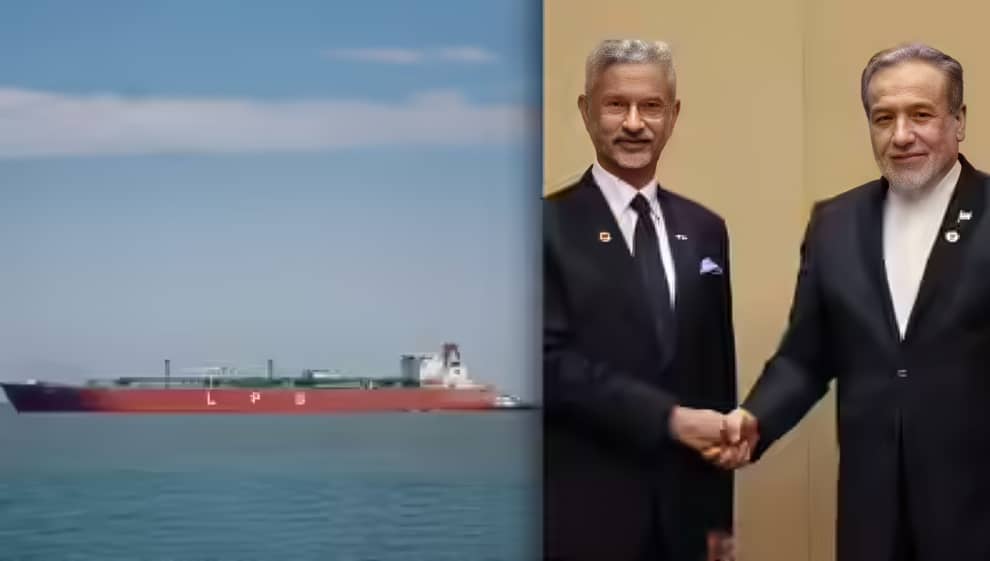
India has welcomed the recent ceasefire developments involving Iran, calling it a positive step toward reducing tensions in the Middle East. The government has emphasized the importance of dialogue and diplomatic engagement to address conflicts in the region, highlighting the broader impact such situations have on global stability.
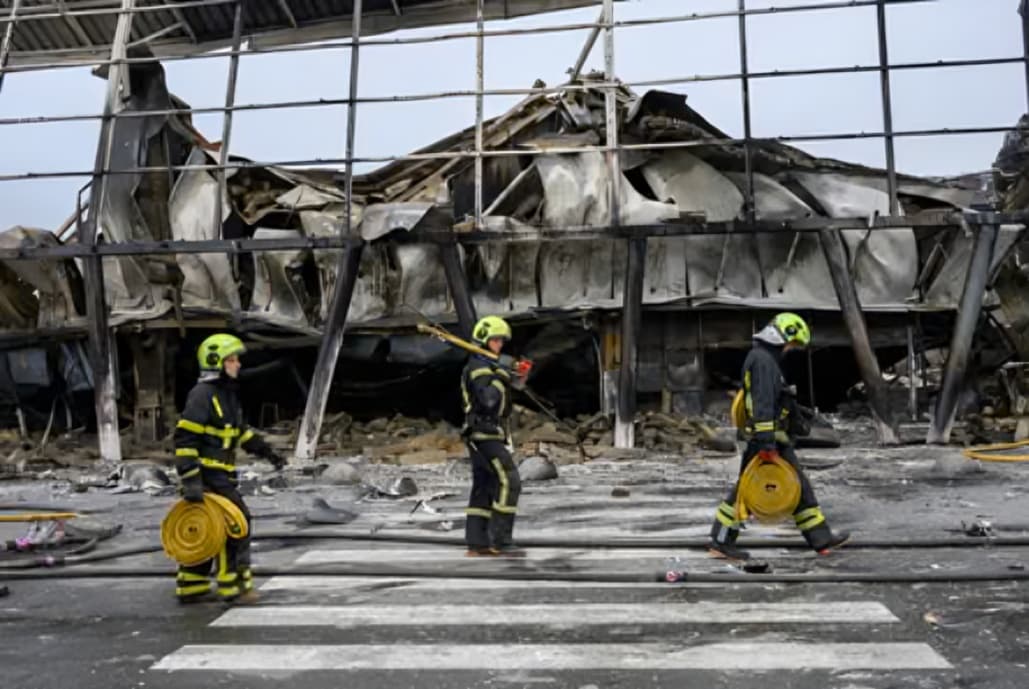
According to official statements, India has noted that prolonged conflict in the Middle East has caused significant hardship to people in the region. In addition to the humanitarian impact, the tensions have also disrupted global energy supplies and trade networks, affecting countries far beyond the immediate area of conflict.
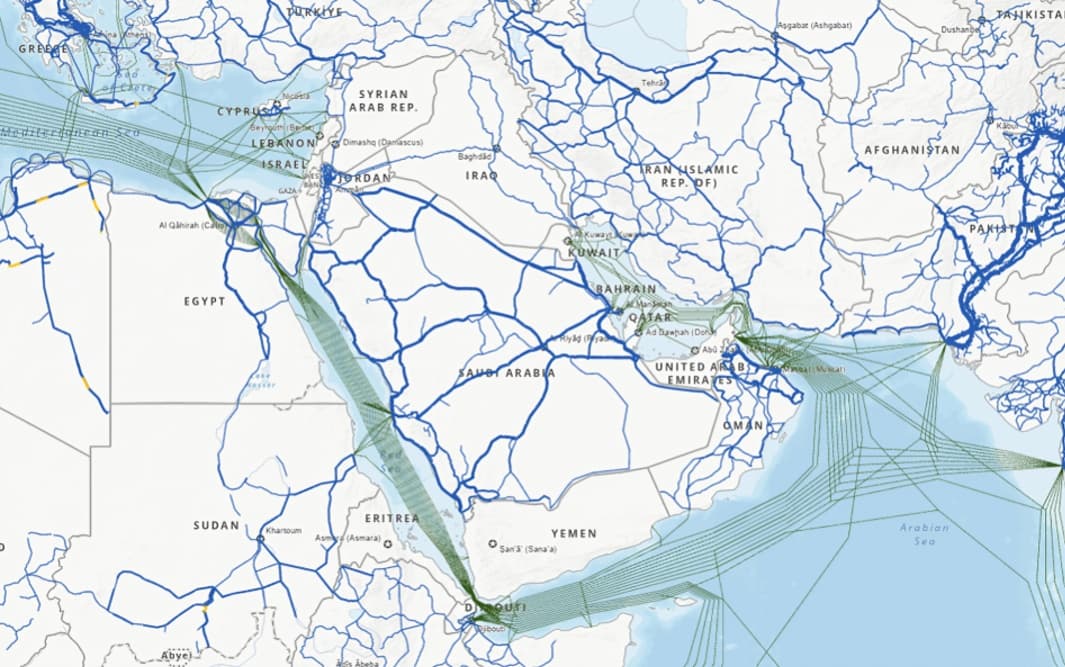
One of the key concerns raised by India is the importance of ensuring uninterrupted trade through critical maritime routes, particularly the Strait of Hormuz. This waterway is one of the most important channels for global oil transportation, and any disruption can have far reaching consequences for energy markets and economies worldwide.
India, being a major importer of crude oil, is particularly sensitive to fluctuations in energy supply. Disruptions in the Strait of Hormuz can lead to increased fuel prices and economic uncertainty. Therefore, maintaining stability in this region is of strategic importance for the country.
The government has reiterated that dialogue remains the most effective way to resolve disputes and prevent further escalation. Diplomatic efforts are seen as essential in achieving long term peace and stability. India has consistently supported peaceful resolution of conflicts and has called on all parties involved to engage constructively.
Experts believe that the ceasefire could help restore confidence in global markets, especially in the energy sector. Reduced tensions may lead to more stable oil prices and improved trade conditions. However, they also caution that sustained efforts are required to ensure that the situation does not deteriorate again.
The impact of Middle East conflicts is not limited to energy markets alone. Trade routes, shipping costs, and supply chains are also affected, leading to broader economic implications. For countries like India, which rely heavily on imports and exports, these disruptions can have a direct impact on growth and development.
India’s response reflects its broader foreign policy approach, which emphasizes stability, cooperation, and economic security. By advocating for dialogue and peaceful resolution, the country aims to contribute to a more balanced and secure international environment.
The ceasefire is being viewed as an opportunity for all parties to reassess their positions and work toward a lasting solution. Continued engagement and cooperation will be crucial in ensuring that the progress achieved is maintained.
As global attention remains focused on the Middle East, India’s stance underscores the interconnected nature of international relations. Developments in one region can have significant consequences across the world, highlighting the need for coordinated efforts to address shared challenges.