An Indian national has been killed in an attack on a power and water desalination facility in Kuwait, marking a tragic development amid the ongoing conflict in West Asia. The incident represents the first reported Indian casualty in Kuwait linked to the conflict and brings the total number of Indian fatalities in the region to eight.
The Indian Embassy in Kuwait confirmed the death through an official statement, expressing deep condolences to the family of the deceased. The embassy stated that it is actively coordinating with Kuwaiti authorities to provide all necessary assistance and support to the victim’s family. Officials have assured that efforts are being made to handle the situation with urgency and sensitivity.
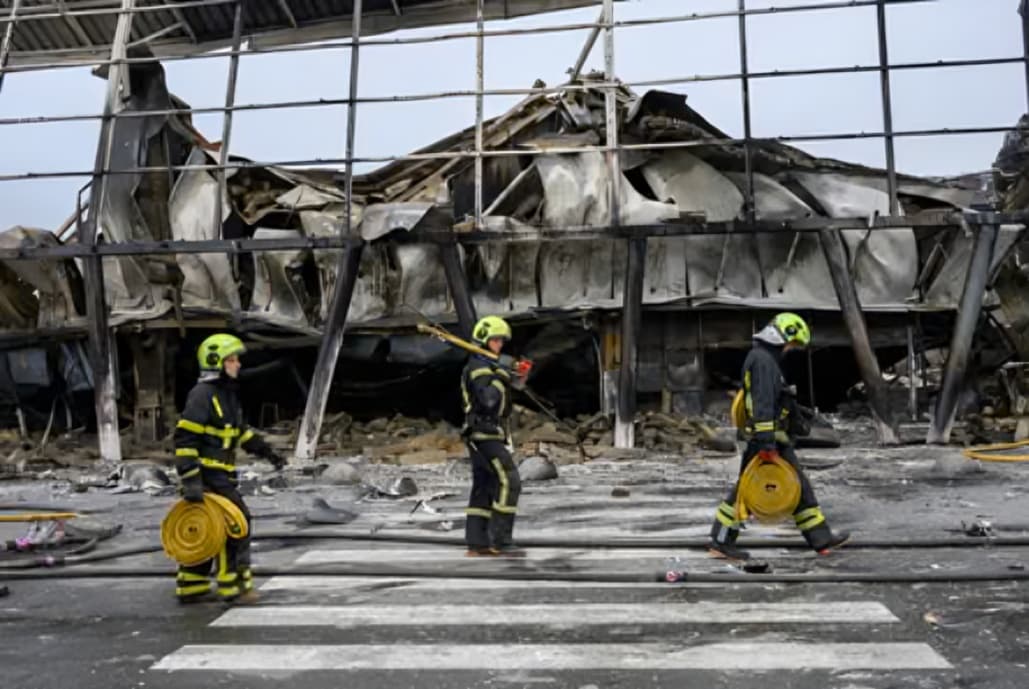
According to reports, the attack targeted a facility involved in power generation and water desalination. Kuwait’s Ministry of Electricity, Water and Renewable Energy confirmed that a service building at one of its plants sustained damage during the incident. However, the exact location of the facility has not been publicly disclosed. Authorities described the incident as a serious and violent attack, highlighting the risks posed by the ongoing regional conflict.
Desalination plants play a critical role in countries like Kuwait, where freshwater resources are limited. These facilities are essential for converting seawater into potable water and are considered vital infrastructure. Any damage to such facilities can have significant implications for public utilities and essential services.
The broader context of the incident is the continuing instability in West Asia, where geopolitical tensions have escalated in recent weeks. These developments have raised concerns about the safety of foreign nationals working in the region, including Indian citizens who form a significant part of the workforce in several countries.
The Indian government has been closely monitoring the situation and has issued advisories to ensure the safety of its citizens abroad. Diplomatic missions in affected regions are actively engaged in providing assistance and guidance to Indian nationals. The embassy in Kuwait has reiterated its commitment to supporting the affected family and facilitating necessary arrangements.
Officials have emphasized the importance of maintaining communication with Indian communities in the region and ensuring that they are informed about safety measures. Efforts are also being made to coordinate with local authorities to address any emerging concerns related to security.
Experts note that attacks on infrastructure highlight the vulnerability of critical facilities during conflicts. Such incidents can disrupt essential services and pose risks to workers and nearby communities. Ensuring the protection of these facilities is considered a priority by governments in the region.
The tragic death of the Indian national underscores the human impact of geopolitical conflicts and the challenges faced by individuals working in affected areas. It also highlights the need for continued diplomatic engagement and international efforts to reduce tensions and ensure the safety of civilians.
As the situation in West Asia continues to evolve, authorities are expected to remain vigilant and take necessary measures to safeguard citizens. The incident serves as a reminder of the uncertainties associated with conflict zones and the importance of coordinated response mechanisms.