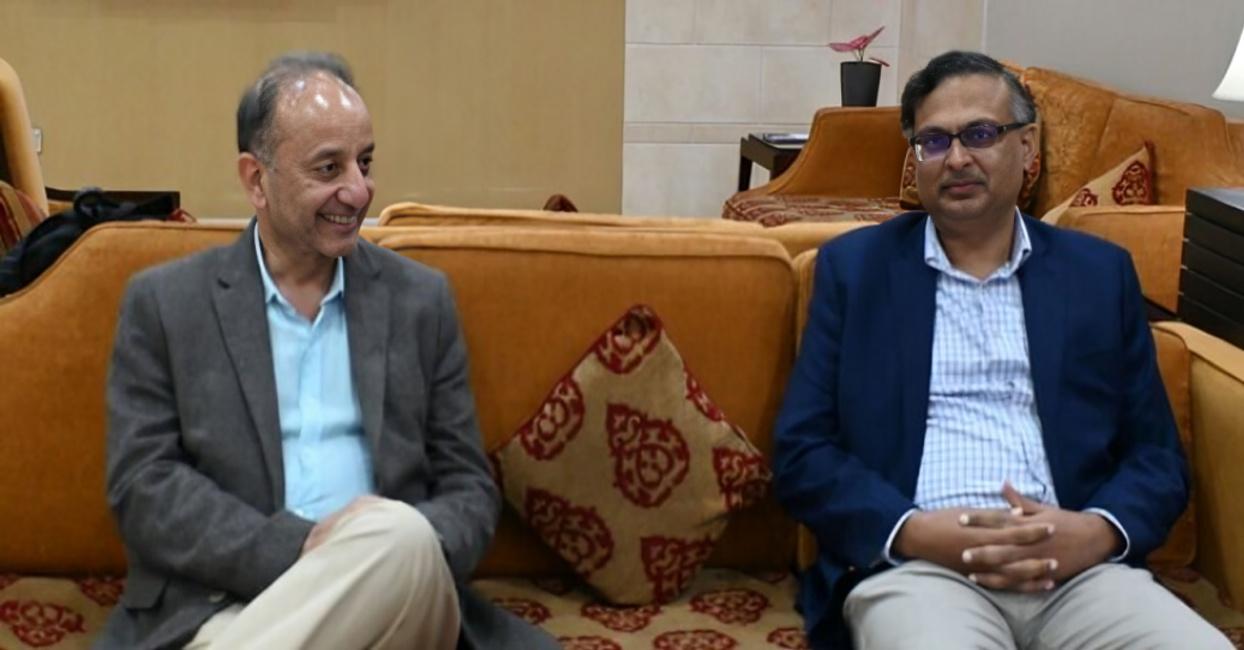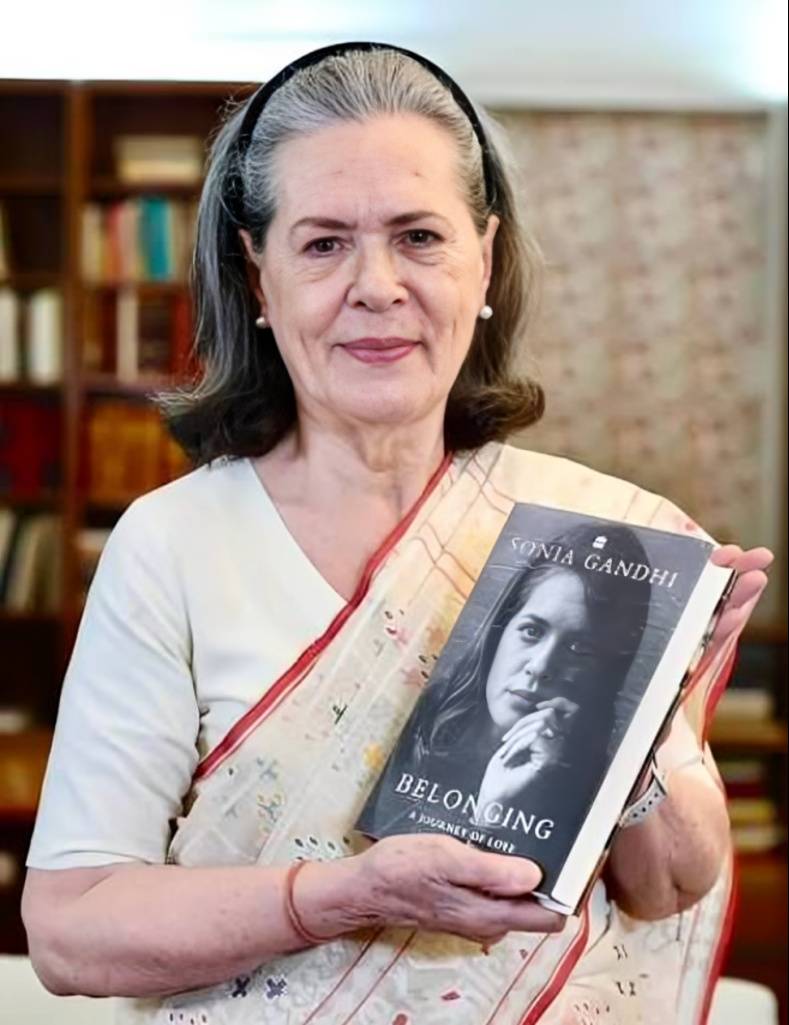
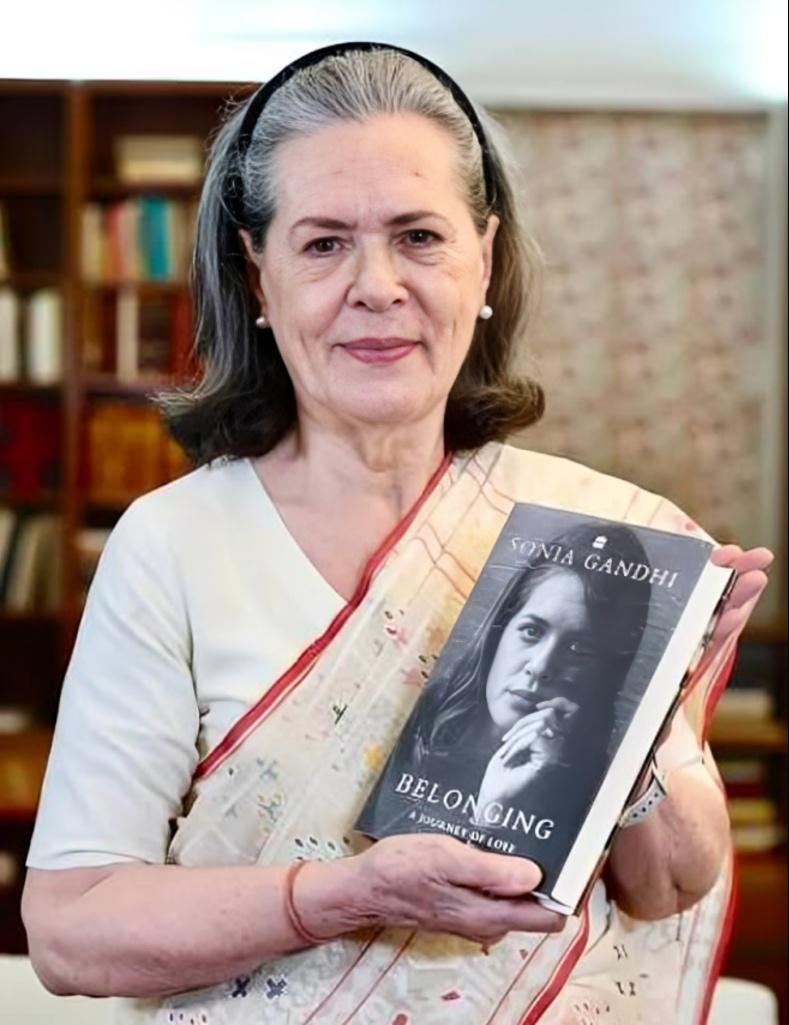
An Indian Sikh community leader, Sukhdev Singh Kang, is planning to transform Sonia Gandhi's ancestral home in Lusiana, Italy, into a museum dedicated to her early life and family background. The proposal aims to preserve the property as a historical site and create a place where visitors can learn more about the early years of the former Congress president.
Kang purchased the property in 2020 and has since expressed his intention to develop it into a museum. The proposed project has attracted attention because of Sonia Gandhi's political prominence in India and her personal connection to the small Italian village.
According to the available information, Kang wants the house to become a place of historical interest rather than remain an ordinary private property. His plan is to preserve its connection with Sonia Gandhi's early life and present relevant details to visitors through photographs, documents and other possible exhibits.
Property Purchased in 2020
Sukhdev Singh Kang purchased Sonia Gandhi's ancestral home in Lusiana in 2020. His decision to acquire the property was followed by plans to preserve it and give it a new purpose as a historical attraction.
The house is significant because of its reported association with Sonia Gandhi's family background and early years in Italy. Sonia Gandhi was born in Italy before moving to India after her marriage to former Prime Minister Rajiv Gandhi.
Her journey from Italy to Indian public life has remained a subject of interest for political observers and the public. Her association with the Indian National Congress and her long career in national politics have also contributed to public curiosity about her personal history.
Kang's proposal seeks to connect this personal background with a physical location that visitors can explore. By developing the property as a museum, he hopes to preserve its historical association for future generations.
Plans to Meet Sonia Gandhi and Her Children
One of the important aspects of Kang's proposal is his intention to meet Sonia Gandhi and her children to discuss the possible development of the museum.
He reportedly hopes to seek their views on the exhibits and the information that could be displayed inside the house. Their participation could help provide a clearer understanding of the family's history and ensure that the proposed displays appropriately reflect Sonia Gandhi's early life.
The proposed meeting is also relevant because the project concerns a property connected to a prominent political family. Photographs, family records and other historical materials could potentially help visitors understand the personal background associated with the house.
However, the available information does not confirm whether Sonia Gandhi or her children have agreed to meet Kang or participate in the project. It also does not establish whether any personal documents or family memorabilia have been offered for display.
Museum Could Attract More Visitors to Lusiana
The proposed museum could become an additional attraction for Lusiana, the small Italian village associated with Sonia Gandhi's ancestral home.
The initiative has reportedly generated growing interest among tourists visiting the area. A museum dedicated to her early life could encourage more visitors to explore the village and learn about its connection to a well-known Indian political figure.
For international visitors, the proposed museum could offer an opportunity to understand the personal history of someone who played a significant role in Indian politics. It could also create a connection between the village in Italy and people interested in India's political and cultural history.
The development may bring attention to Lusiana beyond its local identity. Visitors interested in Sonia Gandhi's life and political journey could consider the property an important place to explore if the museum becomes operational.
However, the extent of the potential tourism impact will depend on the project's development, public access arrangements and the historical material eventually made available.
Preserving a Personal and Historical Connection
Converting a family-associated property into a museum involves more than renovating a building or arranging exhibits. It also requires careful consideration of historical accuracy, the preservation of the property's character and the selection of material suitable for public display.
Kang's stated objective is to preserve the house as a historical site connected to Sonia Gandhi's early life. The proposed museum could provide visitors with information about her background and the place associated with her family history.
If the project moves forward, the organisers would need to determine how the exhibits are arranged and what historical information can be verified and presented to visitors. Any material relating to Sonia Gandhi's family would also need to be handled with appropriate consideration for privacy and permission.
The proposed discussion with Sonia Gandhi and her children could therefore play an important role in deciding the museum's direction and the nature of its displays.
Project Draws Attention
The proposal has attracted attention because it brings together India's political history, the Indian diaspora and a location in Italy connected to Sonia Gandhi's background.
Sukhdev Singh Kang's plan is to give the property a lasting historical purpose by developing it into a museum. His purchase of the house in 2020 and his intention to meet Sonia Gandhi's family represent the key steps described in the proposal so far.
For now, the museum remains a plan rather than a confirmed public attraction. Details about its opening date, exhibition arrangements, visitor facilities and participation from Sonia Gandhi's family have not been provided.
If the initiative progresses, the property could become a point of interest for tourists and people interested in Sonia Gandhi's personal history. The project may also strengthen the connection between Lusiana and visitors from India.
The coming developments will determine whether Kang's proposal becomes a fully functioning museum and what role Sonia Gandhi and her family may have in shaping its exhibits.