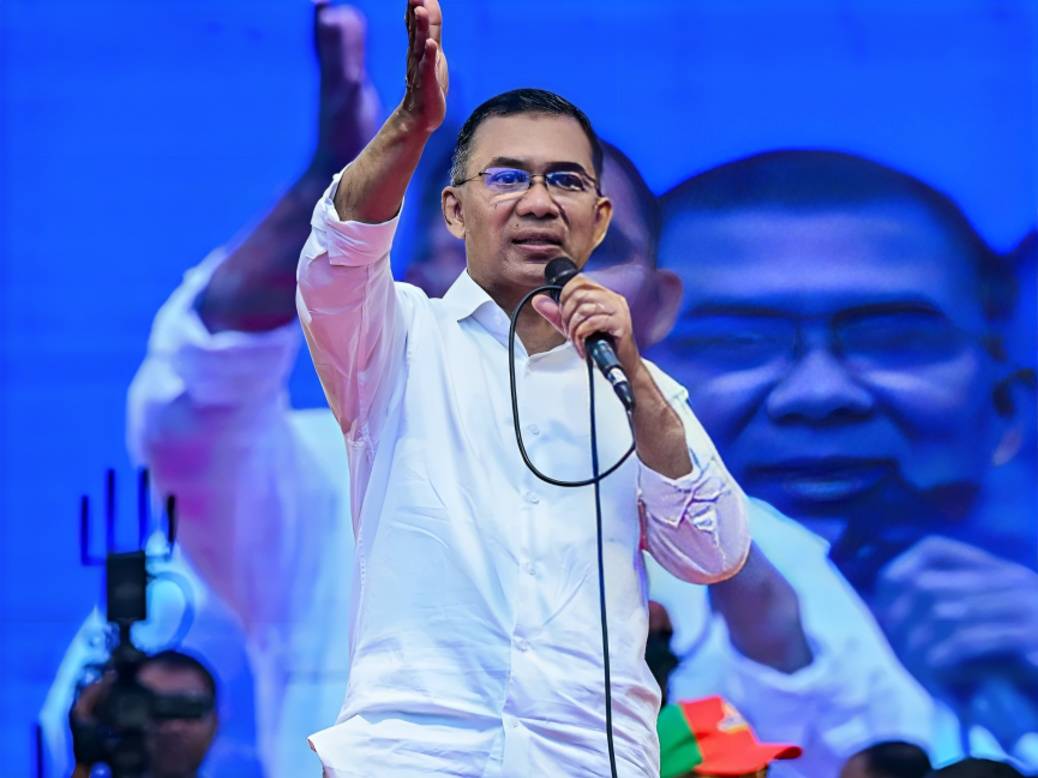
Bangladesh is facing growing political and social challenges as protests by garment workers, political demonstrations and criticism from opposition groups add pressure on the government led by Tarique Rahman. Demands for higher wages from garment workers have triggered demonstrations in several areas, with clashes between protesters and police contributing to concerns about law and order.
At the same time, the Awami League has announced nationwide protest plans and raised demands related to the restrictions imposed on the party. Jamaat-e-Islami has also announced multiple rallies, criticising the government's handling of increasing violence.
These developments have created a challenging political environment for the government, which is facing pressure from different groups over economic demands, political restrictions and public security.
Garment Workers Intensify Protests Over Wage Demands
The garment industry plays an important role in Bangladesh's economy and provides employment to a large number of workers. Wage-related issues in the sector have therefore become a significant concern for both workers and the government.
Garment workers have intensified their protests, demanding higher wages and improved financial conditions. The demonstrations have reportedly spread across different areas, creating disruption and increasing tensions.
Clashes between protesters and police have added to the seriousness of the situation. The unrest has raised questions about how the authorities will address workers' demands while maintaining public order.
Wage negotiations and the economic conditions of garment workers remain important issues in Bangladesh. The government's response to these demands could influence the situation in the country's industrial sector.
Awami League Calls for Nationwide Protests
The political situation has become more complicated with the Awami League announcing plans for nationwide demonstrations.
The party has raised several demands, including the lifting of the ban imposed on it. Its decision to organise protests has brought the party's political future back into public discussion.
The Awami League has been a major political force in Bangladesh. Restrictions on its activities and its demand for the restoration of political participation have become important issues in the country's changing political environment.
The planned demonstrations could create additional challenges for the authorities, particularly at a time when garment workers are already protesting over economic issues.
The government's approach towards the Awami League's demands may become an important factor in the coming political developments.
Jamaat-e-Islami Announces Rallies
Jamaat-e-Islami has also announced multiple rallies, adding another dimension to the political situation.
The organisation has criticised the government's handling of increasing violence and raised concerns about its ability to maintain law and order.
Its decision to organise demonstrations comes at a time when different groups are expressing dissatisfaction with the government's response to ongoing challenges.
The planned rallies could increase political activity and put further pressure on the administration. The government's ability to manage these demonstrations while preventing further clashes will be closely watched.
Tarique Rahman Government Faces Multiple Challenges
The government led by Tarique Rahman is facing pressure from different directions. The garment workers' wage demands require attention to economic concerns, while the Awami League's protest plans and Jamaat-e-Islami's criticism have added to the political challenges.
Managing these developments simultaneously could prove difficult for the administration.
The government needs to address public concerns while ensuring that demonstrations do not lead to further violence. Maintaining communication with workers, political organisations and other stakeholders may be important in reducing tensions.
The unrest also highlights the difficulties involved in maintaining political stability during a period of major political change.
Concerns Over Bangladesh's Political Stability
The combination of labour protests and political demonstrations has raised wider concerns about stability in Bangladesh.
The garment industry is closely connected to the country's economic activity, while political developments can influence public confidence and administrative functioning.
Continued protests, clashes and political confrontations could create further uncertainty if the underlying issues remain unresolved.
The government's response will be important in determining whether tensions can be reduced. Addressing workers' demands through dialogue and managing political demonstrations through lawful procedures could help prevent further escalation.
What Lies Ahead?
Bangladesh is facing a period of heightened political activity, with garment workers demanding better wages and political organisations preparing demonstrations over their respective concerns.
The Awami League's demand for the lifting of its ban and Jamaat-e-Islami's criticism of the government's handling of violence have added to the pressure on Tarique Rahman's administration.
The coming days could be important in determining how the government responds to these challenges. The authorities' ability to manage protests, address economic grievances and maintain law and order will play a significant role in shaping the country's political environment.