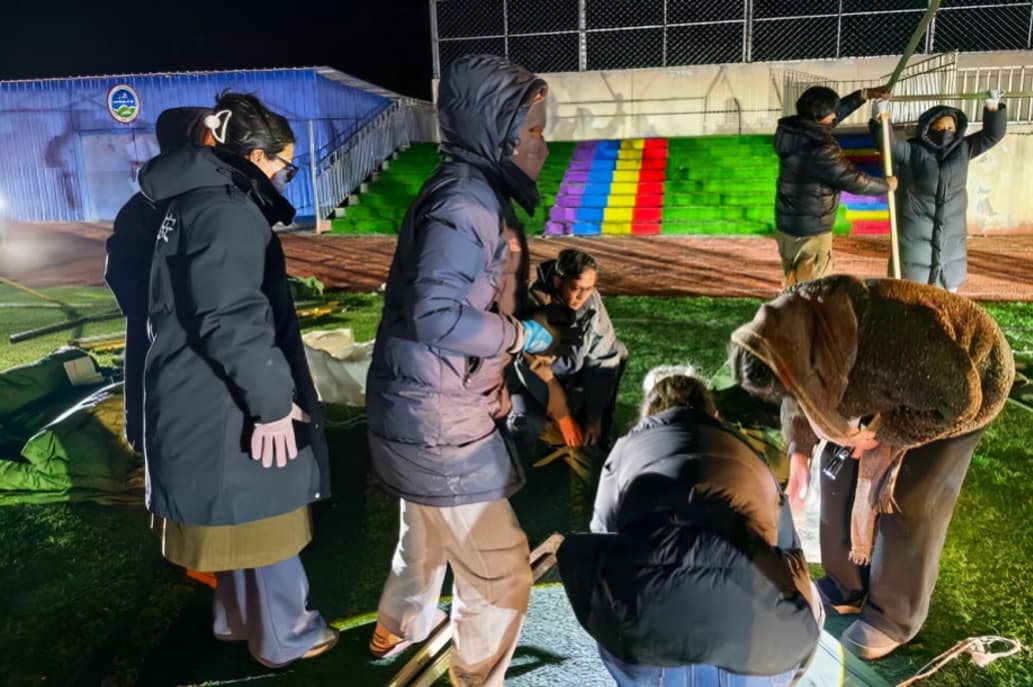
Iran has reportedly urged its citizens, particularly young people, to participate in forming symbolic human chains around important infrastructure such as power plants. The call comes at a time of heightened tensions between Iran and the United States, as a deadline related to developments in the Strait of Hormuz approaches.
According to available reports, the initiative is intended as a demonstration of public support and unity in protecting national assets. Authorities have framed the effort as a peaceful and symbolic act, encouraging citizens to stand together in response to external pressure. Such actions are often used to convey a sense of solidarity and resilience during periods of geopolitical tension.
The development follows statements from the United States warning of potential action targeting infrastructure if certain conditions are not met. These warnings have added to the uncertainty surrounding the situation, raising concerns about the possibility of further escalation.
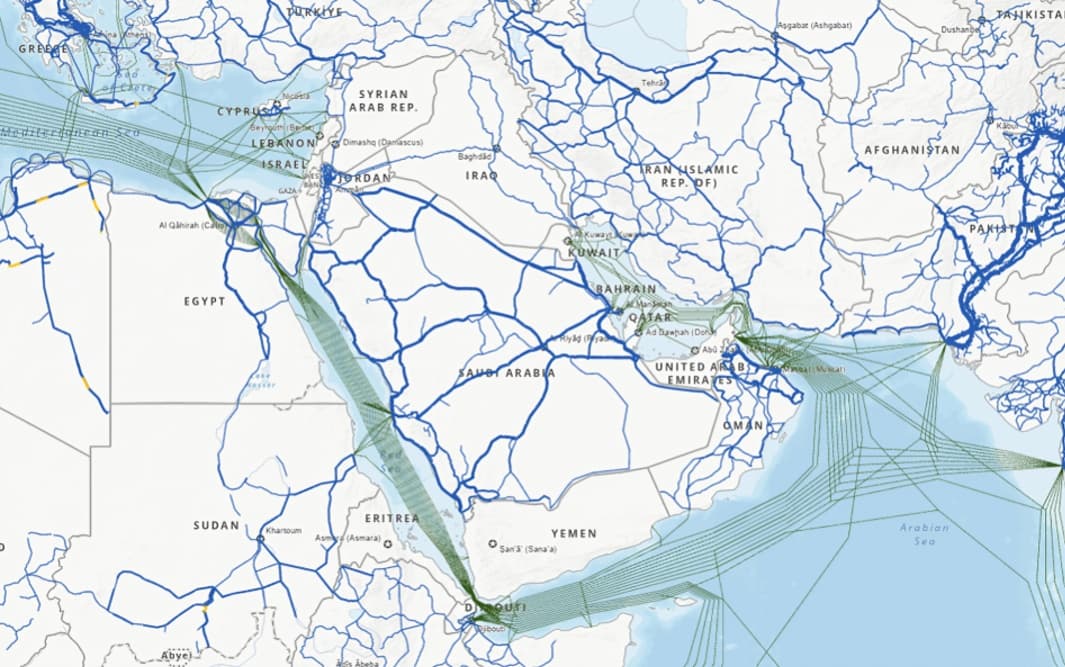
The Strait of Hormuz is a strategically important waterway through which a significant portion of the world’s oil supply passes. Any disruption in this region can have wide ranging implications for global energy markets and trade. As a result, developments involving the strait are closely monitored by governments and industries worldwide.
Observers note that public demonstrations and symbolic actions can play a role in shaping domestic and international perception. By encouraging participation, authorities may aim to highlight public support and deter potential actions against key infrastructure. However, such initiatives also raise questions about safety and the role of civilians during periods of tension.
International reactions to the situation have focused on the need for de escalation and dialogue. Several countries and organizations have called for restraint from all parties involved, emphasizing the importance of diplomatic solutions. The potential impact of any conflict extends beyond the immediate region, affecting global stability and economic conditions.
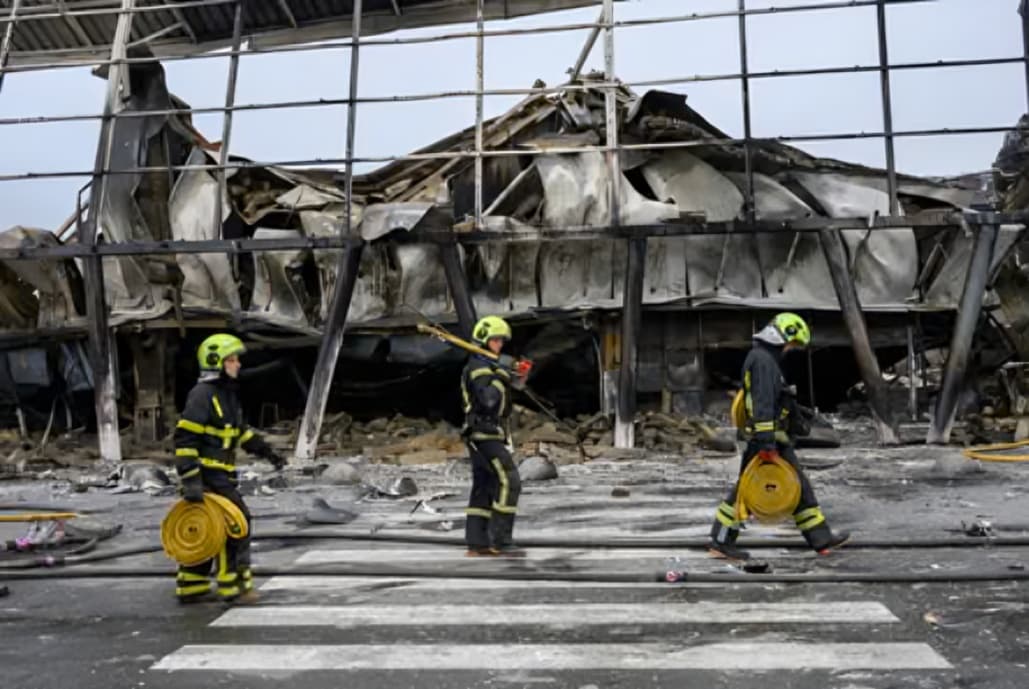
Experts point out that infrastructure such as power plants is critical to a country’s functioning, providing essential services to the population. Protecting these assets is therefore a priority, particularly during times of uncertainty. At the same time, the involvement of civilians in protective actions highlights the seriousness of the situation.
Diplomatic efforts are ongoing, but progress remains uncertain. Both sides have maintained firm positions, and the outcome of the situation will depend on future developments and negotiations. Analysts stress the importance of continued communication to prevent misunderstandings and reduce the risk of escalation.
The current situation underscores the complex nature of international relations, where political, economic, and security considerations intersect. Decisions made in this context can have far reaching consequences, making careful assessment and responsible action essential.
Overall, the call for symbolic civilian participation reflects the intensity of the ongoing tensions. As the deadline approaches, the focus remains on whether diplomatic efforts can lead to a resolution or whether the situation may escalate further. The coming days are expected to be crucial in determining the direction of events.