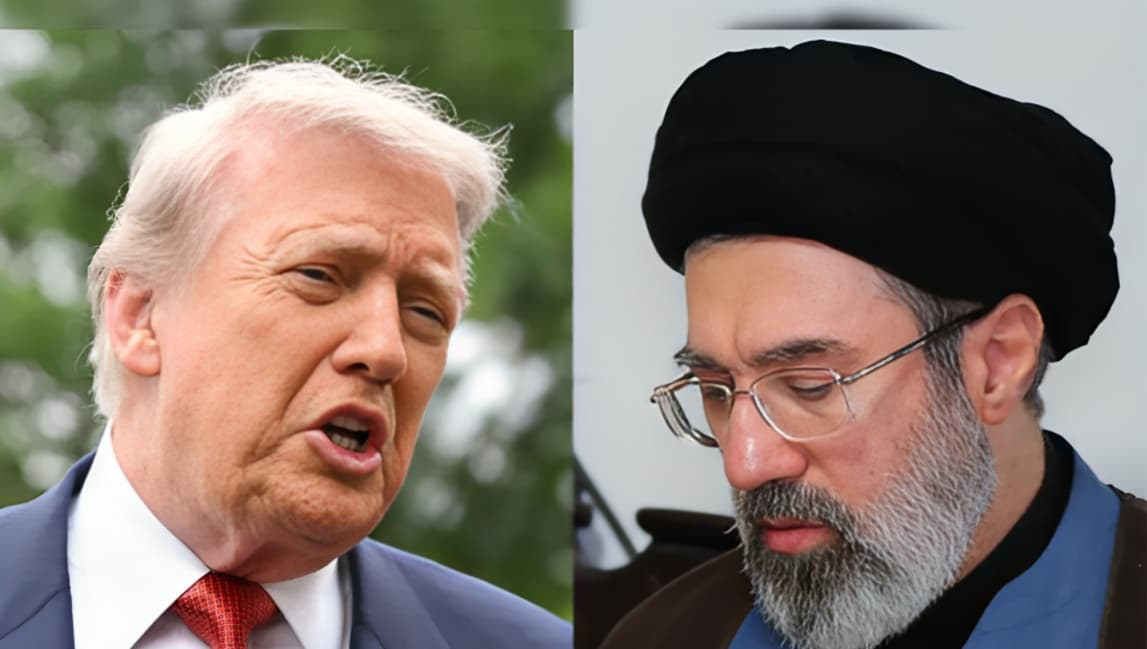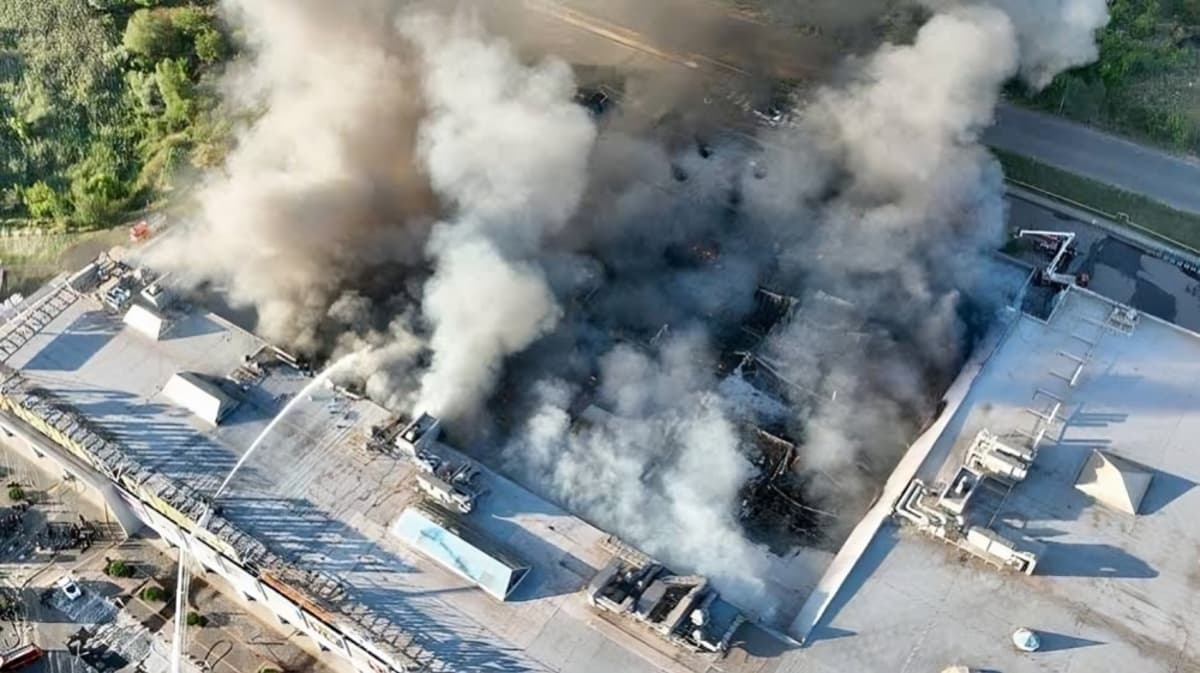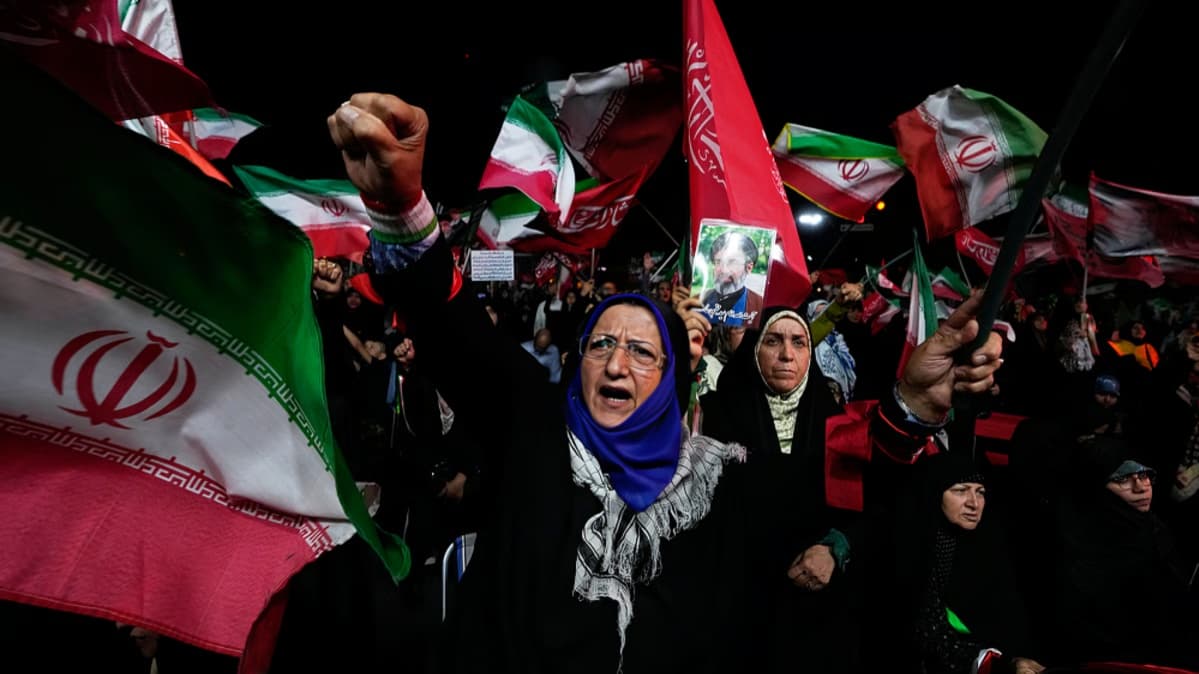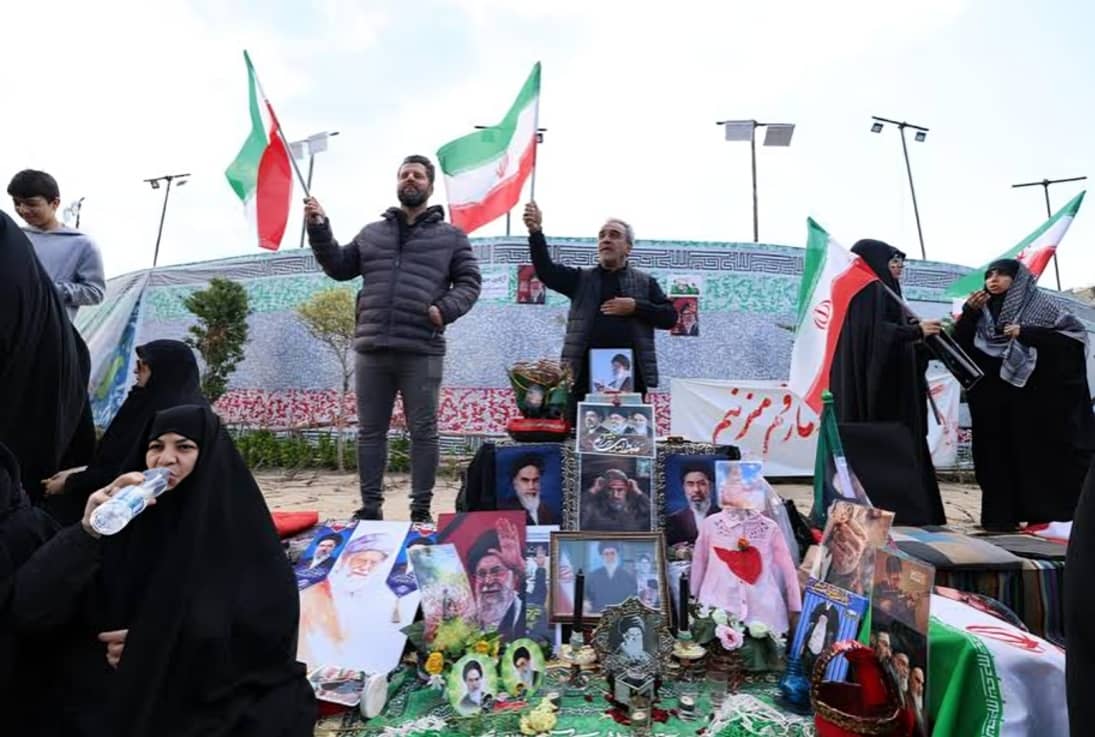

Tensions in West Asia have escalated following recent military strikes by the United States on targets in Iran and the subsequent retaliatory actions by Tehran. The developments have prompted renewed international concern over regional security and the possibility of further escalation.
The Iranian Ministry of Foreign Affairs issued a statement condemning the US strikes, describing them as a violation of international law and the principles of the United Nations Charter. Iranian officials argued that the attacks undermine regional stability and pose a serious risk to international peace and security.
According to the ministry, Iran considers the military action inconsistent with the sovereignty and territorial integrity of states as recognized under international law. Officials also called on the international community to address what they described as unlawful use of force and urged relevant international institutions to examine the developments.
The United States has stated that its military actions were undertaken in response to security concerns and in line with its stated strategic objectives. US officials have maintained that the operations were intended to protect national interests and regional security. The specific legal and strategic justifications have been outlined by the US government through official statements.
Following the strikes, Iran announced retaliatory measures, further increasing tensions across the region. The exchange has heightened concerns among governments and international observers about the possibility of a broader conflict affecting neighboring countries and key maritime routes.
Several governments have appealed for restraint and emphasized the importance of diplomacy. International organizations and foreign ministries from multiple countries have called on all parties to avoid actions that could further destabilize the region.
The United Nations has repeatedly emphasized the need for dialogue and peaceful resolution of disputes in accordance with international law. Officials have urged all parties to exercise maximum restraint and prioritize diplomatic engagement to prevent further escalation.
The recent developments have also drawn attention to the broader geopolitical situation in West Asia, where longstanding political and security challenges continue to influence regional stability. Analysts note that any prolonged military confrontation could have implications for international trade, energy markets and humanitarian conditions across the region.
Global financial markets have also reacted cautiously to the developments, with investors closely monitoring geopolitical risks. Energy analysts have noted that sustained tensions in the region could influence oil prices and international shipping, particularly through strategically important maritime routes.
Despite the sharp exchange of statements, diplomatic channels remain active. Several countries are continuing consultations with both Washington and Tehran in an effort to encourage de-escalation and reduce the risk of further military confrontation.
At present, the situation remains fluid, and official statements continue to be issued by both governments. The international community is closely monitoring developments as diplomatic efforts continue to prevent further escalation and promote regional stability.