Tensions between Iran and the United States have escalated following reports that US authorities seized two oil tankers allegedly carrying Iranian crude. The incident, which reportedly took place near the Strait of Hormuz, has triggered a sharp diplomatic response from Tehran.
Iran has strongly condemned the action, describing it as unlawful and an act of aggression against its maritime interests. Iranian officials have accused the United States of undermining international shipping norms and interfering with legitimate trade activities in the region.
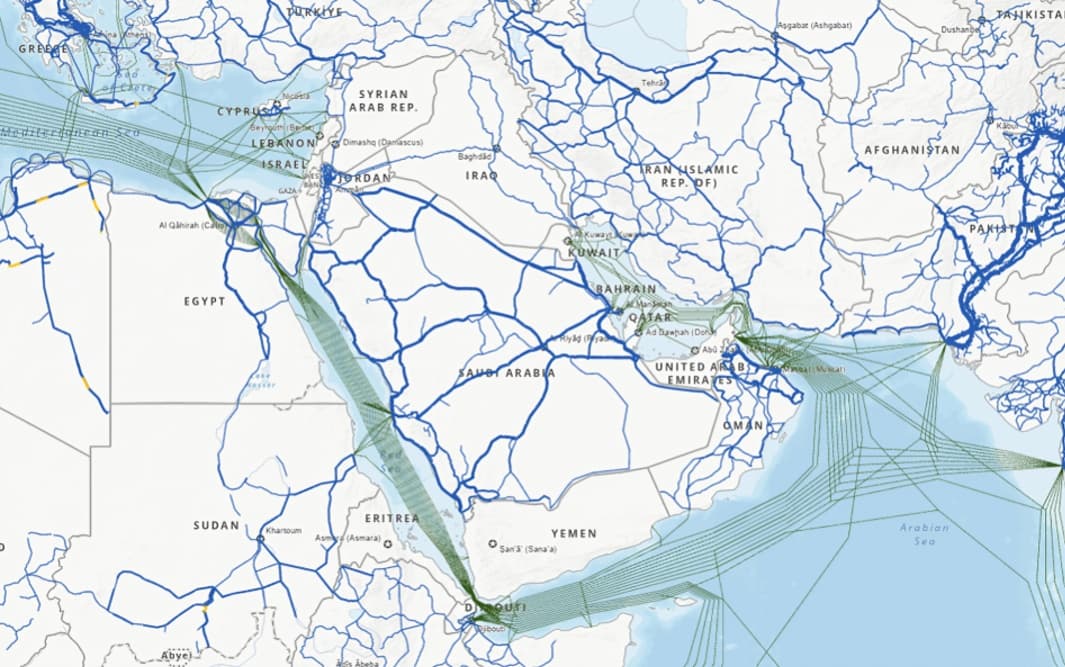
The Strait of Hormuz is one of the most important energy transit routes in the world, with a significant portion of global oil shipments passing through it. Any disruption or enforcement action in this area often leads to heightened geopolitical tensions, given its strategic importance for global energy supply chains.
According to Iranian statements, the seized vessels were allegedly transporting Iranian oil as part of legitimate trade operations. However, the United States has maintained that sanctions on Iranian oil exports remain in effect, and enforcement actions are necessary to prevent violations.
The Iranian Foreign Ministry spokesperson, Esmaeil Baghaei, criticised the United States, accusing it of engaging in what he described as “return to piracy” in international waters. The remarks reflect Tehran’s long standing opposition to US sanctions and maritime enforcement actions targeting its oil exports.
The incident has further complicated already strained relations between the two countries. Over the years, disputes involving sanctions, nuclear negotiations, and regional security have contributed to periodic escalations in tensions.
Maritime security experts note that such incidents can have broader implications for global shipping confidence. Tanker movements in the Gulf region are closely monitored by shipping companies, insurers, and energy traders due to the risk of political and security related disruptions.
Energy markets also tend to react to developments in the Strait of Hormuz, as any perceived threat to supply routes can influence oil prices. However, analysts suggest that the long term impact depends on whether the situation escalates or remains contained diplomatically.
International observers have called for restraint from all parties and emphasized the importance of maintaining freedom of navigation in global shipping lanes. The Strait of Hormuz is considered critical for uninterrupted energy flow, and stability in the region is seen as essential for global economic security.
Diplomatic channels between Iran and the United States remain limited, but indirect communication and international mediation efforts continue in various forms. The latest incident adds further complexity to ongoing efforts aimed at reducing tensions in the region.
Overall, the tanker seizure reports and Iran’s response highlight the fragile nature of maritime security in the Gulf region. The situation continues to develop, with global stakeholders closely monitoring potential implications for energy markets and international trade.