The ongoing conflict involving Iran, Israel and the United States has entered a critical phase, with escalating military actions and growing international concern. The situation continues to evolve, with both sides engaging in airstrikes and missile exchanges across the region. The developments have raised fears of a wider conflict, as global leaders closely monitor the situation.
Reports indicate that the United States has issued strong warnings to Iran, urging compliance with certain conditions related to regional security. These warnings include potential consequences targeting key infrastructure if demands are not met. However, Iran has rejected these conditions and dismissed the statements, further intensifying tensions between the countries.
At the same time, diplomatic efforts are ongoing, with several nations calling for dialogue and peaceful resolution. External affairs engagements between countries have focused on addressing the broader implications of the conflict, including its impact on global stability. Discussions between leaders have emphasized the need for cooperation and de escalation.
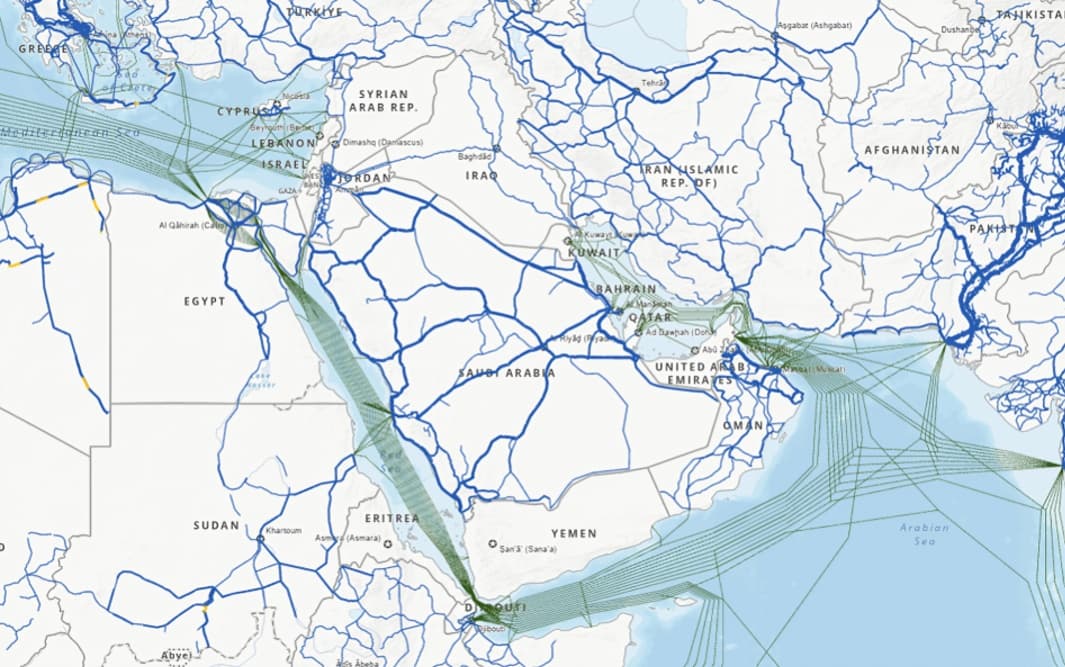
The Strait of Hormuz, a vital maritime route for global oil transportation, remains a central concern in the conflict. Any disruption in this region can have significant consequences for international trade and energy supply. Countries dependent on oil imports are particularly affected, as instability can lead to fluctuations in prices and supply chains.
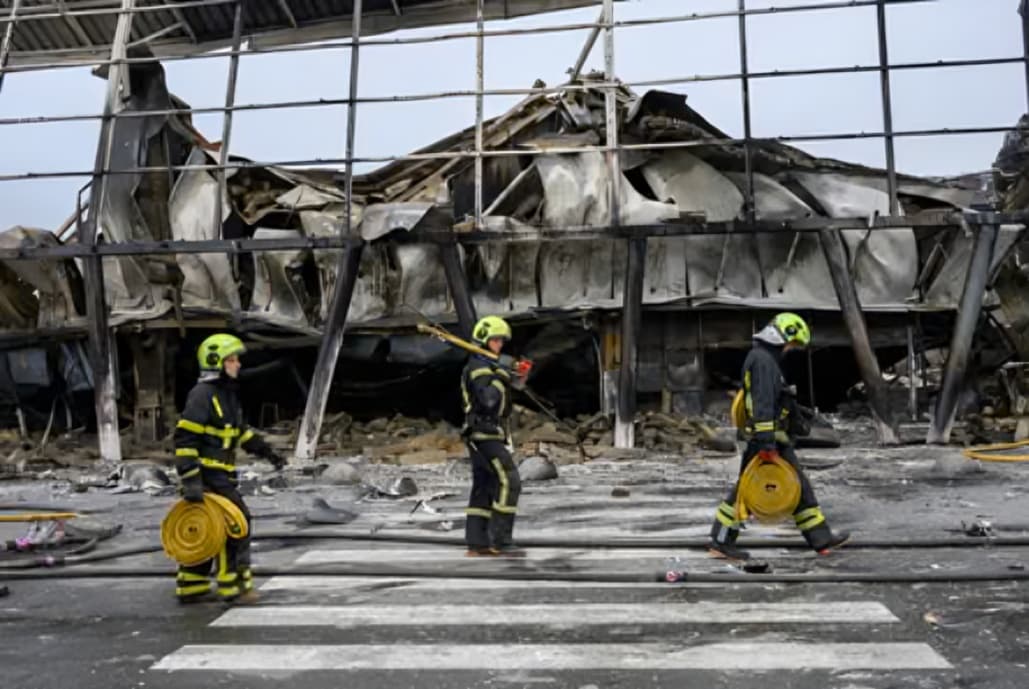
The humanitarian impact of the conflict is also becoming increasingly evident. Reports of civilian casualties and damage to infrastructure highlight the seriousness of the situation. Aid organizations and international bodies have expressed concern over the safety of civilians and the need for immediate measures to prevent further harm.
Economic implications are being felt across the globe, as markets react to the uncertainty. Rising oil prices and disruptions in trade routes have the potential to affect economies worldwide. The interconnected nature of global markets means that developments in the Middle East can have far reaching consequences.
In addition to military and economic aspects, the conflict is influencing diplomatic relations between countries. Governments are reassessing their positions and engaging in discussions to address the evolving situation. Efforts are being made to find a balanced approach that ensures stability while addressing security concerns.
Experts note that the current phase of the conflict underscores the importance of sustained diplomatic engagement. While military actions continue, the need for dialogue remains critical in preventing further escalation. International organizations and regional partners are expected to play a key role in facilitating discussions.
The situation remains fluid, with no immediate resolution in sight. Continued monitoring and coordinated efforts will be essential in managing the crisis and working toward a peaceful outcome.
As global attention remains focused on the region, the developments serve as a reminder of the complexities involved in international relations. The emphasis on dialogue, cooperation and stability continues to be a central theme in efforts to address the ongoing conflict.