The ongoing conflict involving Iran, Israel and the United States continues to develop, with fresh tensions emerging despite a recently announced ceasefire. While a temporary pause in hostilities has raised hopes for de escalation, recent incidents and statements from key stakeholders indicate that the situation remains fragile.
Kuwait has accused Iran of carrying out drone strikes, adding a new dimension to the conflict. The allegations have heightened concerns among regional observers, as they suggest that hostilities may be continuing indirectly even during the ceasefire period. Iran has not publicly confirmed these claims, and the situation remains under close scrutiny by international agencies.
A two week ceasefire was reportedly accepted by Iran, with an agreement to begin talks with the United States. This development was initially seen as a positive step towards reducing tensions. However, officials on all sides have emphasized that the conflict is far from resolved, and the ceasefire represents only a temporary pause rather than a permanent solution.
Donald Trump has expressed skepticism about the effectiveness of the ceasefire. He stated that American forces would remain in position until a more concrete and enforceable agreement is reached. His comments reflect concerns about the reliability of the current truce and the challenges involved in ensuring compliance by all parties.
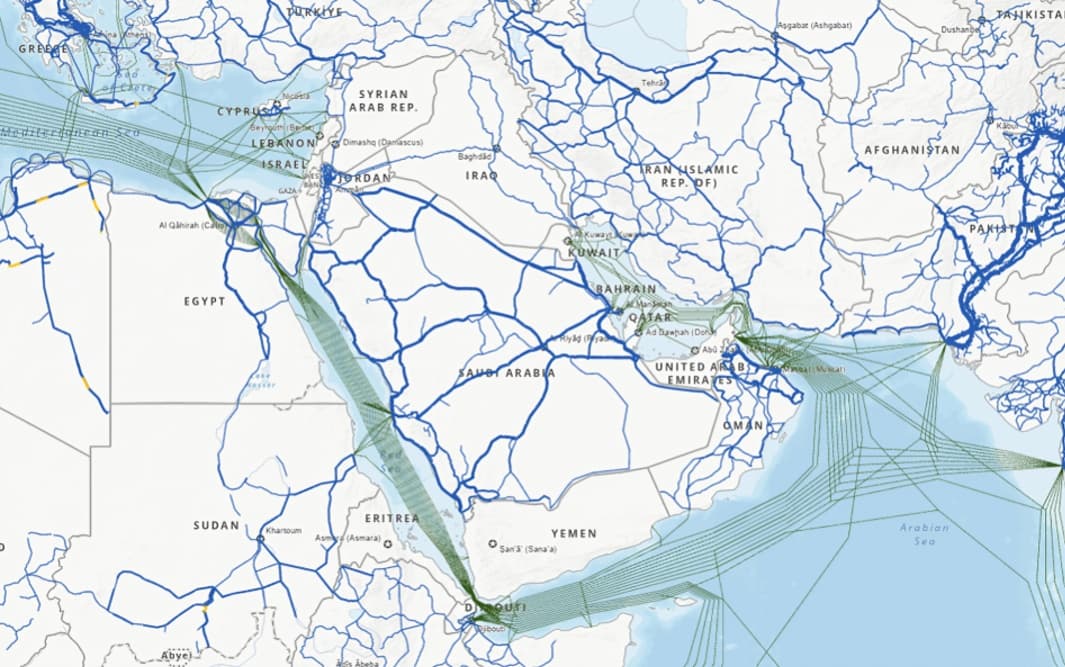
The ceasefire has also been linked to developments in the Strait of Hormuz, a critical route for global oil shipments. The reopening of the strait is considered a key factor in stabilizing energy markets and ensuring the smooth flow of trade. However, uncertainties surrounding the ceasefire have made shipping companies cautious about resuming normal operations.
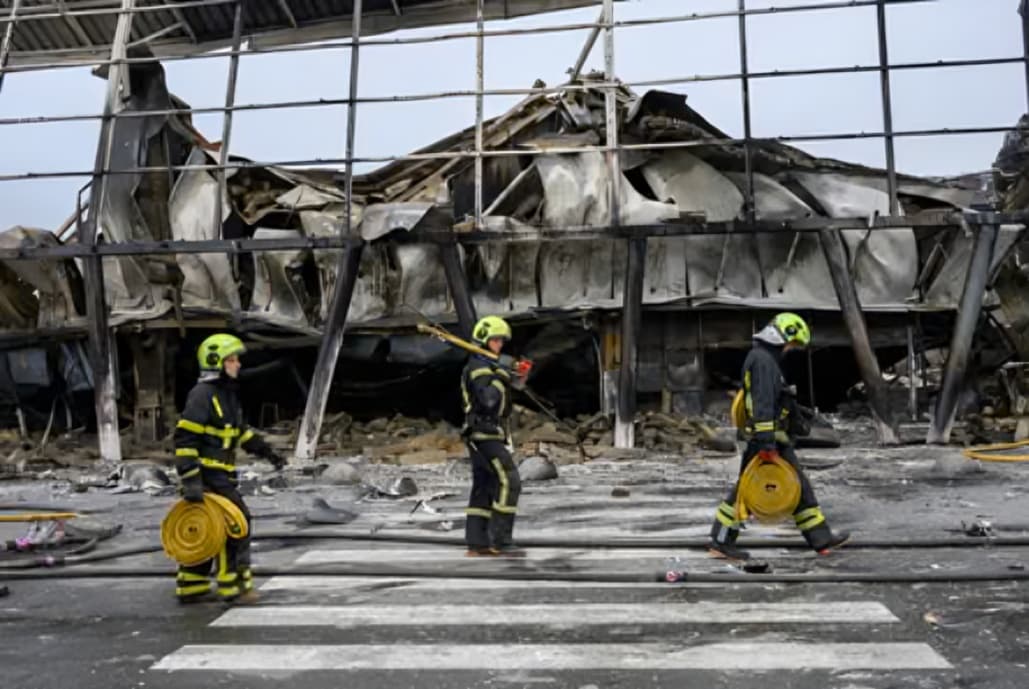
Meanwhile, Israel has intensified its military operations in Lebanon, targeting specific locations amid ongoing tensions. Reports indicate that these strikes have resulted in significant casualties, raising concerns about the humanitarian impact of the conflict. The escalation in Lebanon has further complicated the situation, as it expands the scope of the conflict beyond its initial boundaries.
International observers have pointed out that the current developments highlight the complexity of the conflict. Multiple actors, differing objectives and ongoing military activities make it difficult to achieve a lasting resolution. The involvement of regional and global powers adds another layer of complexity, requiring careful diplomatic engagement.
The humanitarian impact of the conflict is also a major concern. Civilian populations in affected areas continue to face risks, including displacement and limited access to essential services. Aid organizations are closely monitoring the situation and calling for measures to protect civilians and ensure the delivery of humanitarian assistance.
Experts believe that while the ceasefire provides an opportunity for dialogue, its success will depend on sustained efforts from all parties involved. Building trust and ensuring compliance with agreed terms are critical to preventing further escalation.
In conclusion, the situation involving Iran, Israel and the United States remains uncertain despite the temporary ceasefire. Accusations of drone strikes, ongoing military actions and cautious political statements highlight the fragile nature of the truce. As developments continue, the focus will remain on whether diplomatic efforts can lead to a more stable and lasting resolution.