
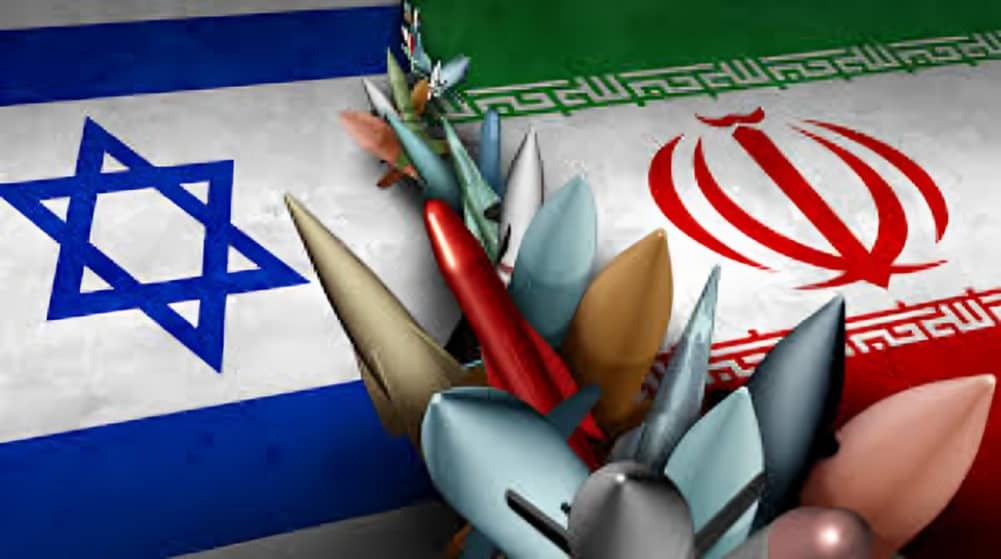
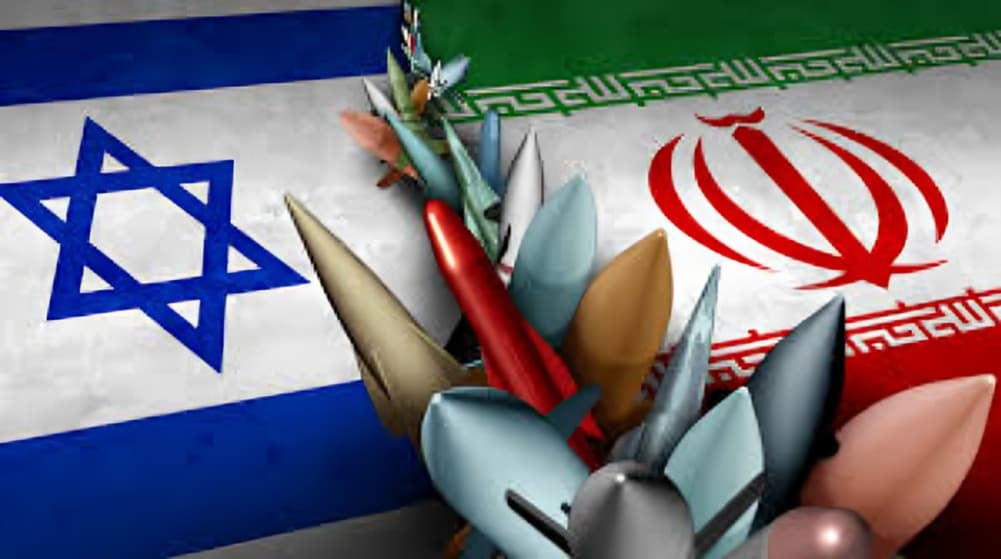
Escalating tensions in both West Asia and South Asia have led analysts to examine how the United States might respond if two serious conflicts were to erupt simultaneously. Strategic discussions frequently focus on two hypothetical scenarios: a direct confrontation between Iran and Israel, and a sharp military escalation involving Pakistan and Afghanistan.
The United States maintains a longstanding strategic partnership with Israel, which includes extensive military cooperation and security commitments. Washington has consistently reaffirmed its support for Israel’s security, and any direct attack on Israeli territory could prompt a swift diplomatic and military response. The US also maintains a significant military presence in the broader West Asia region, enabling faster operational readiness.
On the other hand, tensions between Pakistan and Afghanistan carry their own strategic implications. Pakistan is a nuclear armed state with longstanding security ties to the United States, although relations have fluctuated over the years. Afghanistan remains geopolitically sensitive due to decades of conflict and regional instability. Any escalation involving nuclear threats would raise immediate global concern.
Analysts suggest that Washington’s priority in a dual crisis scenario would depend on several factors. Treaty obligations and established defence agreements could shape the speed and scale of response. The credibility of US commitments to allies is a key consideration in maintaining global influence.
Another important factor is the level of nuclear risk involved. A direct nuclear confrontation, or even the threat of one, would significantly raise the stakes. The United States, along with other global powers, has traditionally prioritised preventing nuclear escalation. Diplomatic intervention, emergency consultations at international forums and coordination with allies would likely form part of the initial response.
Geographical considerations also matter. The Middle East has long been central to US foreign policy due to energy security, counterterrorism efforts and strategic partnerships. Meanwhile, South Asia’s stability is crucial given the presence of nuclear weapons and the involvement of neighbouring powers.
Experts note that the United States has the capacity to address multiple crises simultaneously through diplomatic channels, military positioning and coordination with partners. However, resource allocation and political calculations often determine the intensity of engagement in each theatre.
In recent years, US foreign policy has emphasised strategic competition, alliance management and crisis prevention. If faced with parallel conflicts, Washington would likely conduct rapid assessments involving the Department of Defense, the State Department and intelligence agencies before determining priorities.
While such scenarios remain hypothetical, they underscore the fragile security environment in both regions. Diplomatic efforts and de escalation initiatives remain central to preventing any conflict from reaching a critical stage.
Ultimately, the question of which crisis would receive immediate US attention depends on real time developments, alliance structures and the scale of escalation. For now, analysts continue to monitor tensions in both regions as global leaders call for restraint and dialogue.


