

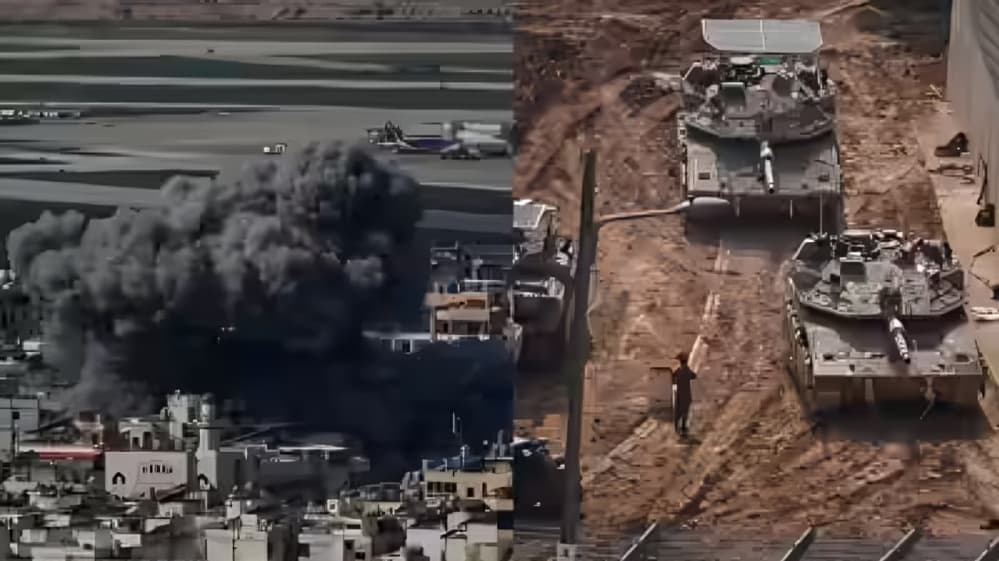
The ongoing conflict involving Iran Israel and the United States has entered its fourteenth day with continued military strikes and rising geopolitical tensions across the Middle East. Iranian officials claimed that drones targeted an Israeli military installation in the southern city of Beersheba as part of what Tehran described as retaliatory operations.
The latest developments come as both sides continue to exchange missile and drone attacks while regional security concerns expand across the Gulf. Iranian authorities also stated that several Israeli and American strategic facilities were targeted during recent operations, including installations connected to military intelligence and naval operations.
Iranian leadership has issued strong warnings to the United States, saying the country would respond to the deaths of what it called martyrs. Statements from Tehran suggested that American military bases in the Middle East could face attacks if the conflict continues. Iranian officials also indicated that the strategic Strait of Hormuz could remain closed as part of efforts to pressure the United States and its allies.
Meanwhile the United States has maintained that it will not allow Iran to develop nuclear weapons and has continued military operations in coordination with Israel. The conflict reportedly began on February 28 and has already resulted in large scale destruction. Iranian authorities claim that nearly ten thousand civilian sites have been affected by bombing campaigns while more than thirteen hundred civilians have died since the fighting began.
Prime Minister Narendra Modi also spoke with Iranian President Masoud Pezeshkian to express concern over the rising civilian casualties and to emphasise the importance of protecting Indian citizens in the region. The discussion also highlighted the need to maintain uninterrupted energy supply routes which are vital for global markets.
Several incidents have been reported across the region as the conflict expands. Powerful explosions were heard in central Tehran after Israeli air strikes targeted multiple locations. Rescue teams from the Iranian Red Crescent Society were deployed after a residential building was reportedly damaged during the attack.
Military activity has also intensified in the Gulf region. Air defence systems in Saudi Arabia and Qatar intercepted several drones and missiles believed to have been launched from Iranian territory. The United Arab Emirates also reported intercepting dozens of drones although some debris reportedly landed within its territory.
Attacks near key shipping lanes have increased concerns about global energy supply. Iranian forces said they targeted vessels in the Strait of Hormuz including ships they believed were linked to Israel. International shipping authorities have warned that the escalating conflict could disrupt commercial shipping routes and raise global oil and gas prices.
The humanitarian impact of the conflict is also growing. The World Health Organization warned about the possibility of toxic rainfall after heavy smoke from burning fuel depots mixed with atmospheric conditions following recent air strikes.
According to the United States Department of Defense around one hundred forty American service members have been injured and several have died since the start of military operations known as Operation Epic Fury.
The conflict has also spread to neighbouring regions. Air strikes in Beirut have caused significant damage while hundreds of thousands of civilians have reportedly been displaced in Lebanon.
As the war continues global leaders and international organisations are calling for restraint and diplomatic efforts to prevent further escalation in one of the world’s most volatile regions.


