Iran has issued a strong warning to the United States, stating that any attack on its oil infrastructure would be met with a significant and proportionate response. The statement reflects escalating tensions in the Gulf region and has drawn attention from global observers.
Iranian officials indicated that the country would respond firmly to any threat against its energy facilities, which are considered critical to its economy. While specific details were not provided, the message emphasized deterrence and the intention to protect national interests.
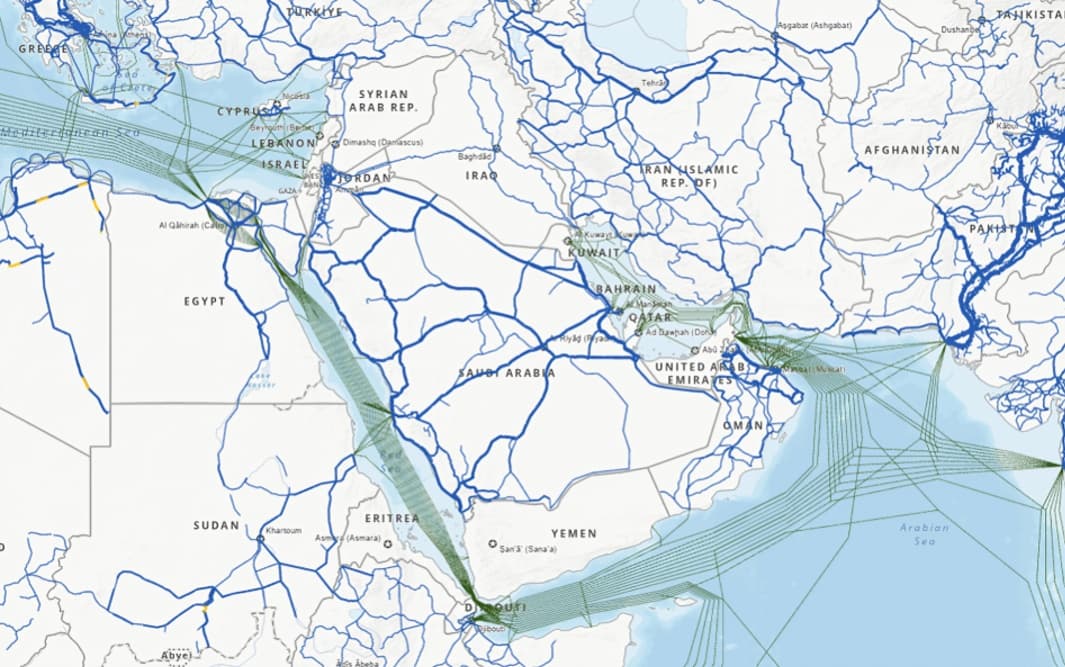
The Gulf region is a key area for global energy supply, with several countries relying on oil exports as a major source of revenue. Any disruption to oil infrastructure in this region can have wide ranging effects on global markets, including fluctuations in crude oil prices and concerns over supply stability.
Experts note that such statements are often part of strategic communication aimed at preventing escalation. By signaling its readiness to respond, Iran seeks to discourage potential actions against its assets. At the same time, these developments contribute to an atmosphere of uncertainty in the region.
The Persian Gulf is home to important shipping routes and oil production facilities, making it a focal point for geopolitical developments. Tensions in this area are closely monitored by governments and international organizations due to their potential impact on global trade and energy security.
Diplomatic efforts have continued alongside these developments, with various countries calling for restraint and dialogue. Analysts emphasize that communication between nations is essential to avoid misunderstandings and reduce the risk of conflict.
The United States has maintained a presence in the region for strategic and security reasons, often working with allies to ensure stability. However, relations between the two countries have remained complex, with periods of negotiation interspersed with heightened tensions.
Market analysts suggest that geopolitical developments such as these can influence investor sentiment, particularly in energy markets. Even without direct conflict, uncertainty can lead to price volatility and cautious trading behavior.
International observers have urged all parties to prioritize diplomatic solutions and avoid actions that could escalate tensions. Stability in the Gulf region is considered vital not only for the countries directly involved but also for the global economy.
As the situation evolves, further statements from officials and responses from other nations are expected. Monitoring developments through verified sources remains important for understanding the broader implications.
The warning underscores the sensitive nature of geopolitical relations in the region and highlights the importance of maintaining balance between security concerns and diplomatic engagement.