
Iranian Oil Minister Mohsen Paknejad has resigned from his position as the country faces continuing pressure on its oil sector, disrupted energy trade and heightened security risks around the Strait of Hormuz.
Iranian state media reported that President Masoud Pezeshkian accepted Paknejad’s resignation on October 4. Hamid Bovard, the chief executive of the state-owned National Iranian Oil Company, was appointed as acting oil minister.
According to Reuters, Paknejad had been Iran’s oil minister since August 2024. Iranian presidential officials said his resignation was submitted for personal reasons and was accepted at his insistence. The leadership change comes at a difficult time for Iran’s energy sector, which has been affected by the ongoing conflict, sanctions and restrictions on oil shipments.
Bovard takes charge of the ministry while Iran’s oil industry is under significant pressure. The United States has intensified measures aimed at restricting Iranian petroleum exports and limiting the country’s access to oil revenues. The developments have increased the importance of the oil ministry as Tehran attempts to maintain production, exports and revenue flows.
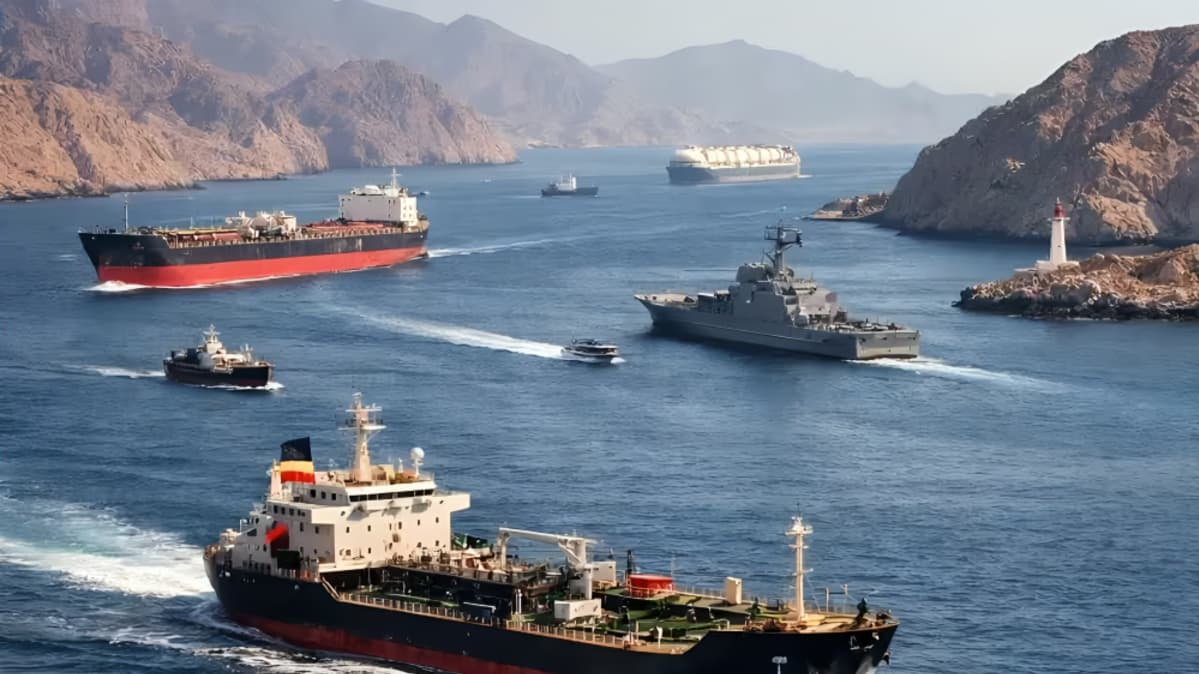
The resignation is also taking place against the backdrop of continuing uncertainty around the Strait of Hormuz, one of the world’s most important energy shipping routes. The waterway connects the Persian Gulf with the Gulf of Oman and is a major route for crude oil and petroleum products moving from Gulf producers to international markets.
Shipping activity around the Strait has faced repeated security concerns during the ongoing conflict. Reports of attacks on vessels have raised concerns among shipping companies, oil traders and governments about the safety of commercial traffic.
Recent reports indicate that at least seven vessel attacks or strikes have been reported around the waterway since September 28. The incidents have added to concerns that further disruptions could affect the movement of crude oil and other energy products.
The security situation has also increased transportation costs. Tanker operators face higher insurance premiums, longer routes and additional operational challenges. Reuters reported that the cost of chartering a very large crude carrier for transporting oil from the Gulf to China had risen dramatically, reflecting the severe disruption in regional shipping.
Despite these risks, oil flows through the region have not completely stopped. Reuters reported that Middle Eastern crude exports had recovered substantially, with flows through the Strait of Hormuz reaching about 14.2 million barrels per day on a seven-day average in late September. However, transportation and logistical problems continue to keep costs elevated.
The continuing uncertainty has created a complicated situation for oil markets. On one side, concerns about attacks and possible interruptions to shipping are supporting oil prices. On the other, the recovery of some crude shipments and plans by major economies to release emergency oil reserves are helping reduce fears of an immediate supply shortage.
The Group of Seven countries have also agreed to release crude oil and fuel from emergency reserves as part of efforts to reduce the impact of the disruption. This has contributed to some easing of supply concerns in global markets.
Meanwhile, Saudi Arabia has taken a significant step in its pricing strategy for Asian customers. Saudi Aramco has reduced the official selling price of November Arab Light crude for Asian buyers by $3 per barrel. The new price is set at $5 per barrel below the average of Oman and Dubai benchmarks.
Reuters reported that the discount represents the widest gap since June 2020. The reduction was unexpected because market participants had anticipated an increase in Saudi prices for Asian buyers.
Saudi Aramco also reduced the November official selling prices of heavier grades, including Arab Medium and Arab Heavy, by $5 per barrel for Asian customers. The company, however, increased prices for buyers in northwest Europe while keeping prices unchanged for the United States.
The price reductions appear to be linked partly to the unusually high cost of transporting crude from the Gulf to Asia. Shipping rates have increased sharply because of security concerns and the disruption of normal trade routes.
According to Reuters, the daily charter cost for a very large crude carrier capable of transporting about two million barrels from the Gulf to China reached around $1.2 million. A year earlier, the comparable cost was approximately $80,000 per day.
The higher transportation costs have created additional pressure on Asian refiners. Even when crude remains available, moving it safely from producing countries to consuming markets has become significantly more expensive.
Saudi Arabia has also adapted its export arrangements. Saudi Aramco has used ship-to-ship transfers outside the Strait of Hormuz and resumed loading operations at the Yanbu port on the Red Sea after a temporary disruption.
These measures demonstrate how Gulf producers are attempting to maintain oil flows despite the security situation. At the same time, the continued attacks around the Strait mean that the market remains vulnerable to another major disruption.
For Iran, the resignation of Paknejad adds a leadership change to an already challenging energy environment. Acting Minister Hamid Bovard will be responsible for managing the ministry while the country faces pressure over exports, sanctions and oil revenues.
The immediate impact of the ministerial change on Iran’s production and exports remains uncertain. Bovard’s previous experience as head of the National Iranian Oil Company gives him direct knowledge of the country’s oil operations, but the wider challenges facing Iran’s energy sector extend beyond the ministry itself.
For global oil markets, the combination of security risks, higher tanker costs, insurance expenses and changing export routes remains a major concern. Although additional supplies and emergency stock releases have eased some fears, analysts continue to monitor developments around the Strait of Hormuz closely.
The latest developments show that the current oil market disruption is not simply a question of how much crude is being produced. The ability to transport, insure and process that crude has become equally important.
As a result, any further escalation around the Strait of Hormuz could quickly affect tanker availability, shipping costs and crude prices across international markets. At the same time, continued recovery in Middle Eastern exports and additional supplies could limit the impact if shipping conditions improve.
The situation remains fluid, with Iran’s new acting oil minister facing significant challenges while Gulf producers attempt to maintain exports and Asian refiners deal with unusually high transportation costs.