Middle East crude oil exports have risen above their average level before the US Israel war with Iran on several days during the final week of September, according to preliminary shipping data from Kpler cited by Reuters.
The increase comes despite continued security concerns around the Strait of Hormuz and surrounding maritime routes. The latest data indicates that oil shipments have recovered significantly even as commercial vessels continue to face heightened risks in the region.
According to Kpler data, Middle East crude exports exceeded the pre war average on September 24 and again between September 27 and September 29. Daily exports during those periods ranged between 19.5 million barrels per day and 22.5 million barrels per day.
Before the conflict began, Middle East crude exports averaged approximately 18 million barrels per day between March 2025 and February 2026. On October 1, the seven day moving average for crude exports stood at 18.5 million barrels per day.
The figures include crude shipments travelling through the Strait of Hormuz and the Red Sea, as well as exports from regional terminals and ship to ship transfers in the Gulf of Oman.
The latest figures indicate that the conflict has not completely halted the movement of oil from major Middle Eastern producing countries. However, the increase in export volumes does not necessarily mean that the region's energy supply chain has returned to normal.
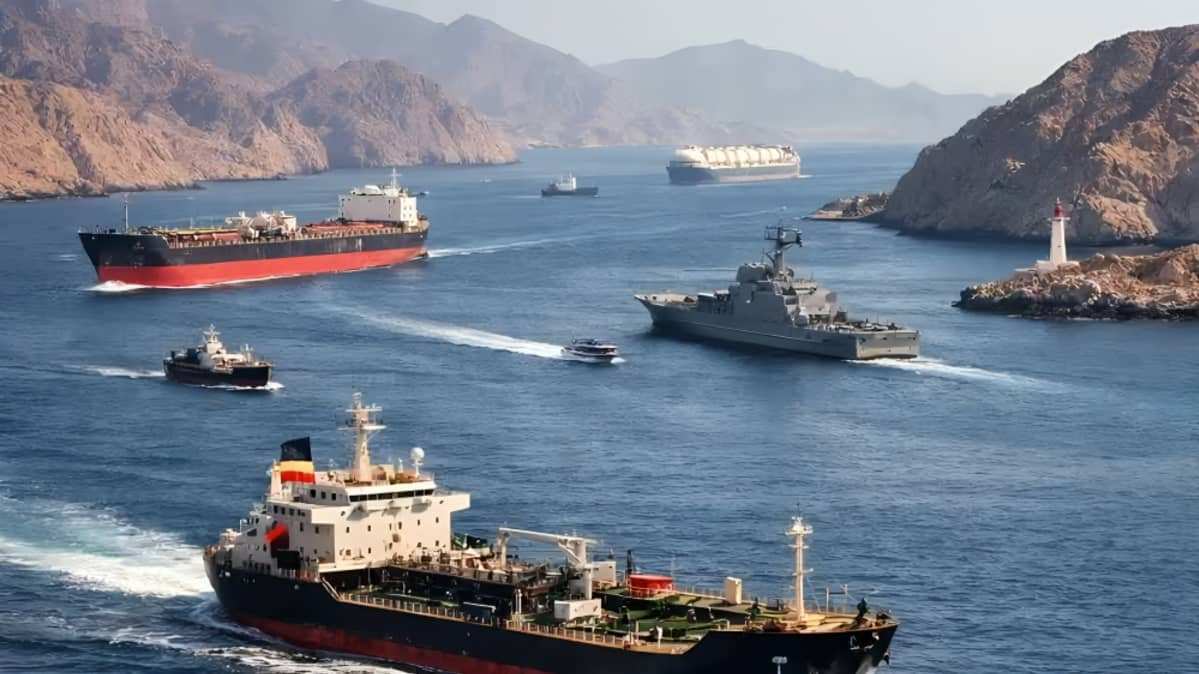
The Strait of Hormuz remains one of the most important maritime routes for global energy supplies. Before the conflict, the waterway handled a substantial share of the world's crude oil and liquefied natural gas shipments. Shipping companies and energy traders have continued to monitor the area closely because any prolonged disruption could affect international oil and gas markets.
At the same time that oil shipments have increased, attacks and security incidents involving commercial vessels have continued around the Strait of Hormuz and the Gulf of Aden.
Reuters reported that at least seven incidents involving tankers and other vessels had been reported in recent days. The United Kingdom Maritime Trade Operations agency has also reported at least one attack a day in the Strait of Hormuz or Gulf of Aden since October 2, according to shipping intelligence cited by Reuters.
One reported incident involved the very large crude carrier Kazimah III. According to shipping intelligence firm Marisks, the tanker was struck by an unknown projectile on October 1 while operating in the Strait of Hormuz. A fire was reported on board, while all crew members were subsequently reported safe.
The incidents have increased concerns among shipping companies because vessels are operating in an environment where the threat level remains unpredictable. Marisks said the recent pattern of incidents may not necessarily represent deliberate attacks on individually selected commercial vessels. It suggested that vessels could instead be exposed to weapons launched into predetermined areas.
The continuing security concerns have also affected the cost and logistics of transporting oil. Even when crude is available for export, higher insurance costs, increased tanker rates and changes to shipping routes can make deliveries more expensive.
Reuters reported separately that crude flows through the Strait of Hormuz had recovered substantially, although they remained below pre war levels on a seven day average. The recovery suggests that some major Gulf producers have been able to resume or increase shipments despite the security risks.
The situation has created an unusual dynamic in the international oil market. Oil exports have recovered to levels close to or above the pre war average on some days, but transportation problems continue to put pressure on the energy supply chain.
Iran has continued to make strong statements about its control over the Strait of Hormuz. IRGC commander Ali Fadavi said Iranian authorities retained control of the waterway and described oil traffic through a US supervised route as negligible. These statements represent Iran's position and could not independently establish the overall level of maritime traffic.
Diplomatic and military developments are also continuing alongside the energy crisis. The United States and Iran remain engaged in a combination of military pressure and diplomatic discussions, with the Strait of Hormuz emerging as one of the central issues in negotiations.
Iran has also faced growing economic pressure because of restrictions on its petroleum exports. Iranian Oil Minister Mohsen Paknejad resigned on October 4, with Hamid Bovard, chief executive of the National Iranian Oil Company, appointed as acting oil minister. Iranian state media said Paknejad's resignation was for personal reasons and was accepted by President Masoud Pezeshkian after the minister insisted on leaving.
The change in Iran's oil ministry comes at a sensitive time for the country's energy sector. Oil revenues remain an important source of income for Tehran, while sanctions and restrictions on petroleum shipments have increased pressure on the economy.
The Strait of Hormuz is therefore important not only from a military perspective but also for global energy markets. Any significant interruption to the waterway could affect crude oil deliveries to major importing countries in Asia and other regions.
The latest Kpler figures provide some evidence that Middle Eastern oil exports have been able to recover despite the conflict. However, the data should be interpreted carefully because shipping movements can change quickly as security conditions develop.
The tracking figures also have limitations. Some vessels may switch off their automatic identification system transponders while travelling through sensitive areas. As a result, actual shipments could differ from preliminary estimates based on vessel tracking.
Liquefied natural gas shipments through the Strait of Hormuz also increased during September, reaching their highest monthly level since February, according to the Kpler data cited by Reuters. This suggests that energy companies have continued attempting to move cargoes through the region despite the security situation.
For international markets, the combination of recovering oil exports and continuing attacks creates uncertainty. Higher export volumes can reduce fears of an immediate physical supply shortage, but rising freight, insurance and security costs can continue to keep energy prices elevated.
The developments are particularly important for major Asian oil importers because a significant proportion of their crude supplies traditionally comes from the Middle East. Any prolonged disruption to shipping routes could therefore affect crude procurement costs, refinery operations and ultimately fuel prices.
For now, Middle Eastern oil exports remain operational at substantial levels, but the security situation around the Strait of Hormuz remains a major risk factor.
The latest data shows that the region's oil trade has not collapsed despite the conflict. At the same time, the continuing attacks on commercial vessels demonstrate that energy shipments remain exposed to serious security risks.
Further developments in the US Iran conflict, negotiations over the Strait of Hormuz and the security of commercial shipping will therefore remain important factors for global oil markets in the coming days.