
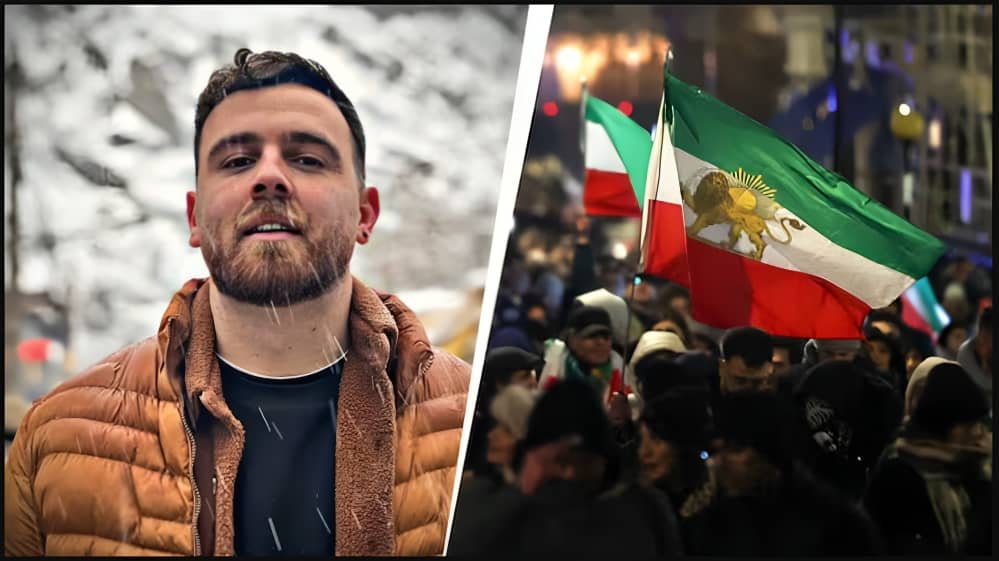
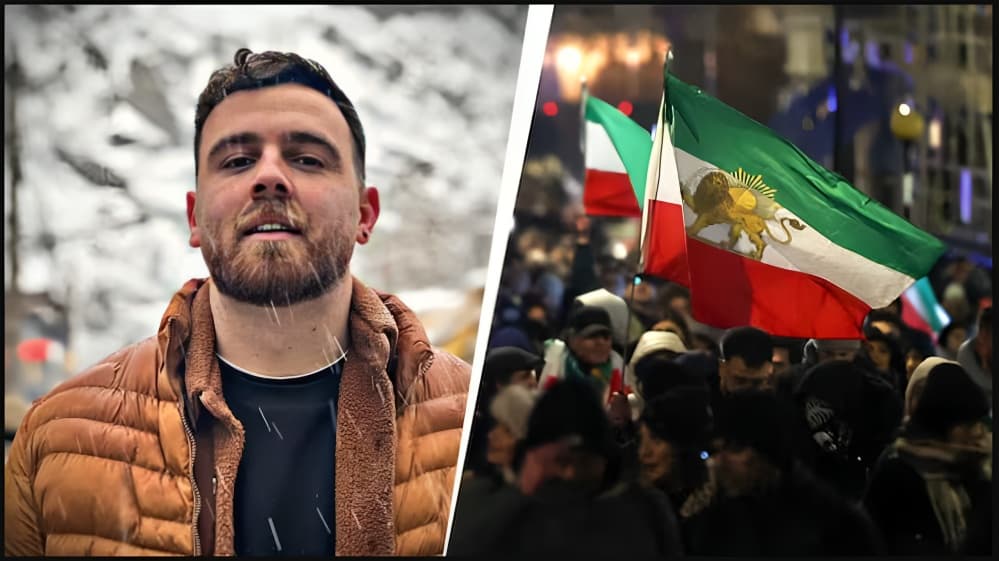
Iran is preparing to execute 26-year-old Erfan Soltani, a resident of the Fardis suburb in Karaj, on January 14, marking the first reported execution linked to the ongoing anti-government protests that began in late December 2025. Soltani has been accused of “waging war against God,” a charge frequently applied in politically sensitive cases in the country.
The announcement has drawn widespread attention from human rights groups and international observers who have long criticized Iran’s use of capital punishment, particularly against individuals involved in civil protests or dissent. Human rights organizations have warned that executing Soltani could further escalate tensions and fuel unrest across the nation.
The protests, which erupted in late December 2025, were initially triggered by public dissatisfaction with the government and have since expanded to include broader demands for political reform. Demonstrations have been reported in major cities across Iran, including Tehran, Mashhad, and Isfahan. While the majority of protests have been peaceful, authorities have responded with a heavy security presence and arrests of demonstrators.
Erfan Soltani’s case has become symbolic of the Iranian government’s stringent approach to dissent. Observers note that the charge of “waging war against God” carries severe penalties under Iran’s penal code, including the death sentence. Critics argue that such laws are often used to suppress political opposition and intimidate activists.
International human rights organizations, including Amnesty International, have condemned the planned execution and called on Iran to halt it immediately. They emphasize the importance of fair trials, due process, and the protection of human rights, especially in cases that appear to be politically motivated. The United Nations and several foreign governments have also urged Iran to reconsider capital punishment in politically sensitive cases.
Legal analysts highlight that executions in Iran for protest-related activities are rare but carry significant political weight. The decision to proceed with Soltani’s execution may be intended to deter further demonstrations and reinforce government authority. However, human rights experts warn that such measures often have the opposite effect, galvanizing public anger and drawing global scrutiny.
The case of Erfan Soltani also underscores ongoing concerns about judicial transparency in Iran. Families and legal representatives have limited access to court proceedings, and verdicts in politically sensitive cases are often delivered without full disclosure. International pressure and advocacy are expected to play a critical role in drawing attention to Soltani’s situation.
As Iran faces domestic unrest, the government’s response to protest-related cases will be closely watched both inside and outside the country. The upcoming execution highlights the high-stakes environment for activists and ordinary citizens alike and serves as a reminder of the broader human rights challenges in Iran.


