Iran has reportedly outlined a set of conditions for reopening the Strait of Hormuz, a vital maritime route that plays a key role in global energy transportation. The proposed terms come amid ongoing geopolitical tensions and have drawn attention from international stakeholders.
According to reports, Iran has linked the reopening of the Strait to several broader developments. These include the easing of restrictions imposed on the country, a reduction in ongoing hostilities, and adjustments in discussions related to its nuclear program. While details continue to emerge, the conditions indicate a complex negotiation process involving multiple issues.
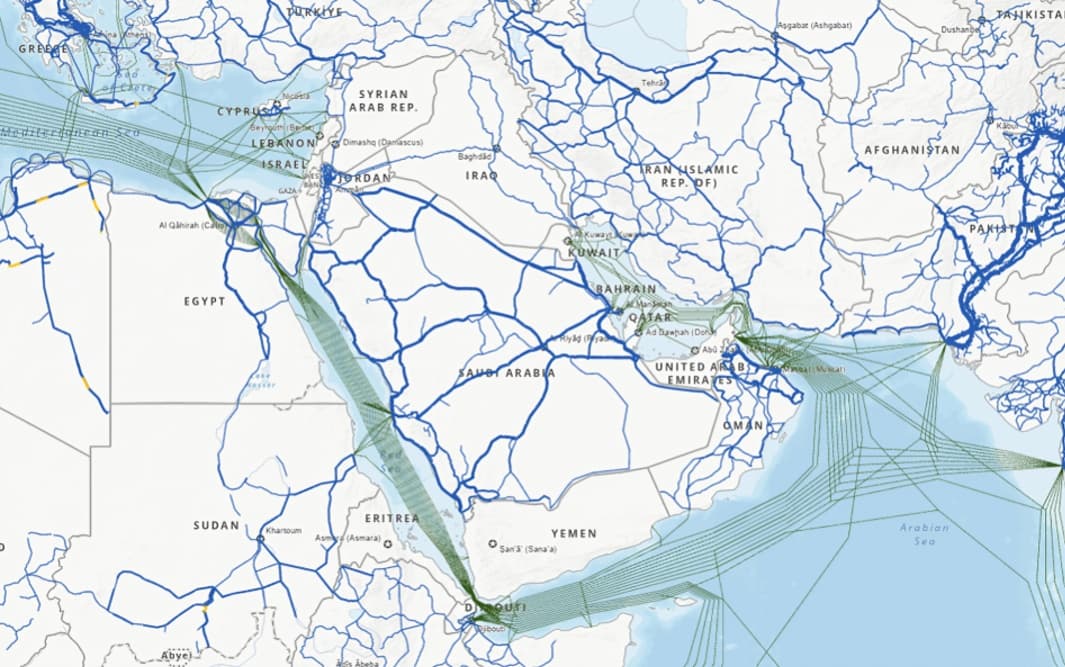
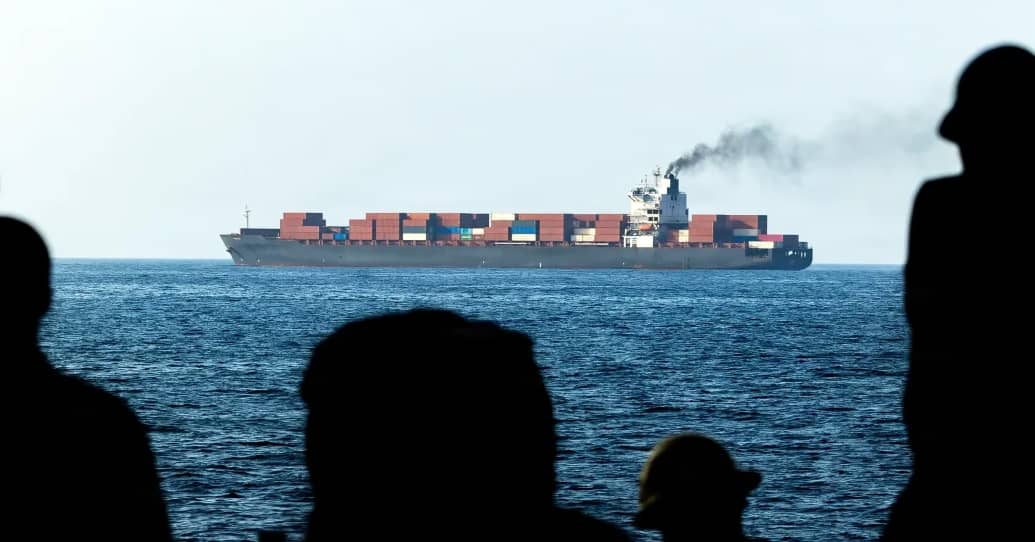
The Strait of Hormuz is one of the most strategically significant waterways in the world. A large portion of global oil shipments passes through this narrow passage, connecting producers in the Middle East to markets across Asia, Europe, and beyond. Any disruption or restriction in this route can have immediate effects on global energy prices and supply chains.
Iran’s position reflects its broader approach to regional and international relations. By linking the reopening of the Strait to wider political and economic concerns, the country appears to be seeking a comprehensive resolution to ongoing disputes. This strategy underscores the interconnected nature of security, economic, and diplomatic issues in the region.
The reported conditions have prompted reactions from various countries, particularly those dependent on energy imports. Ensuring the uninterrupted flow of oil through the Strait of Hormuz is considered critical for maintaining economic stability. As a result, developments in this area are closely monitored by governments and financial markets.
Diplomatic efforts are expected to play a central role in addressing the situation. Negotiations involving multiple parties may be required to find a balanced solution that addresses security concerns while ensuring the continuity of trade. International organizations and regional powers may also contribute to facilitating dialogue.
Experts note that resolving such issues requires careful coordination and mutual understanding among the involved parties. Confidence building measures and phased agreements are often used in similar situations to reduce tensions and create a pathway toward long term stability.
The situation also highlights the broader challenges of managing geopolitical conflicts in regions with significant economic importance. Balancing national interests with global needs is a complex task, particularly when critical infrastructure such as the Strait of Hormuz is involved.
While the final outcome remains uncertain, the reported conditions signal an attempt to open channels for negotiation. The coming weeks are likely to see further diplomatic activity as stakeholders work toward a resolution.
Overall, the developments surrounding the Strait of Hormuz emphasize the importance of dialogue and cooperation in addressing global challenges. The decisions taken in this context will have implications not only for the region but also for the global economy.