Tensions in the Middle East remain high as Iran responded critically to recent statements by former United States President Donald Trump, even as missile attacks triggered air raid sirens across several parts of Israel. The developments come amid an ongoing conflict involving Iran, Israel, and the United States, which has seen repeated exchanges of strikes and strong political reactions.
According to reports, Iran launched multiple waves of missiles targeting locations in Israel. These attacks led to the activation of air defence systems and warning sirens in cities including Tel Aviv. Residents in affected areas were advised to take shelter as security agencies responded to the situation.
The missile strikes were reported shortly after statements made by Donald Trump, who had suggested progress in efforts related to the conflict. Iranian authorities, however, rejected such claims and maintained that no formal negotiations had taken place. This difference in narratives has added to the complexity of the situation, with both sides presenting contrasting positions.
Iran’s response also included criticism and mockery of the statements made by Trump, reflecting the ongoing political tension between the two sides. Such exchanges highlight the broader geopolitical rivalry and the challenges involved in reaching a resolution to the conflict.
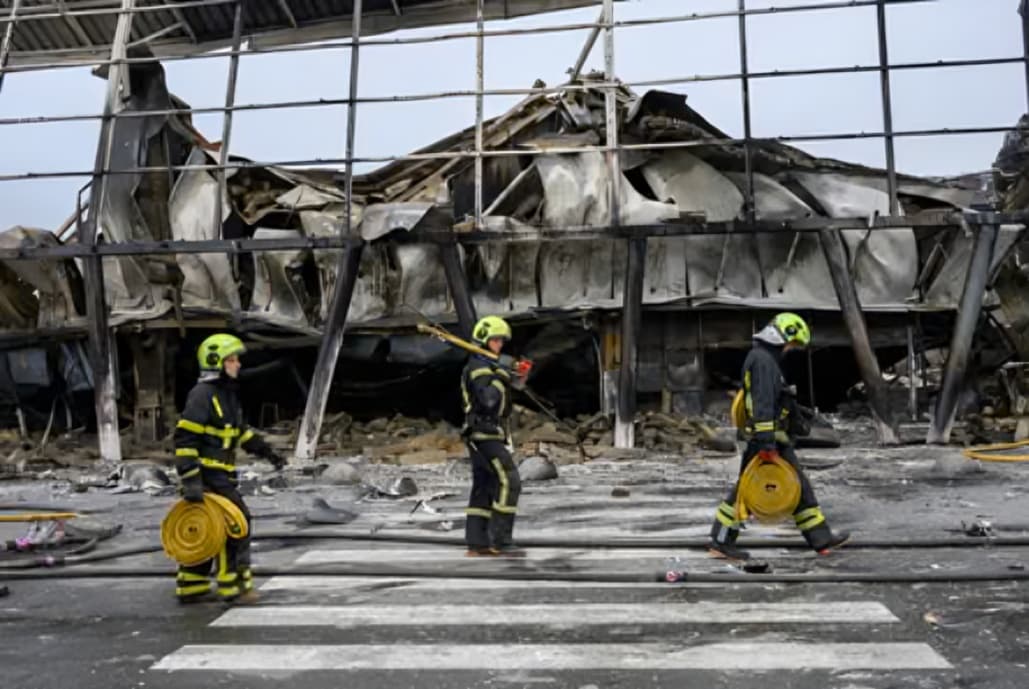
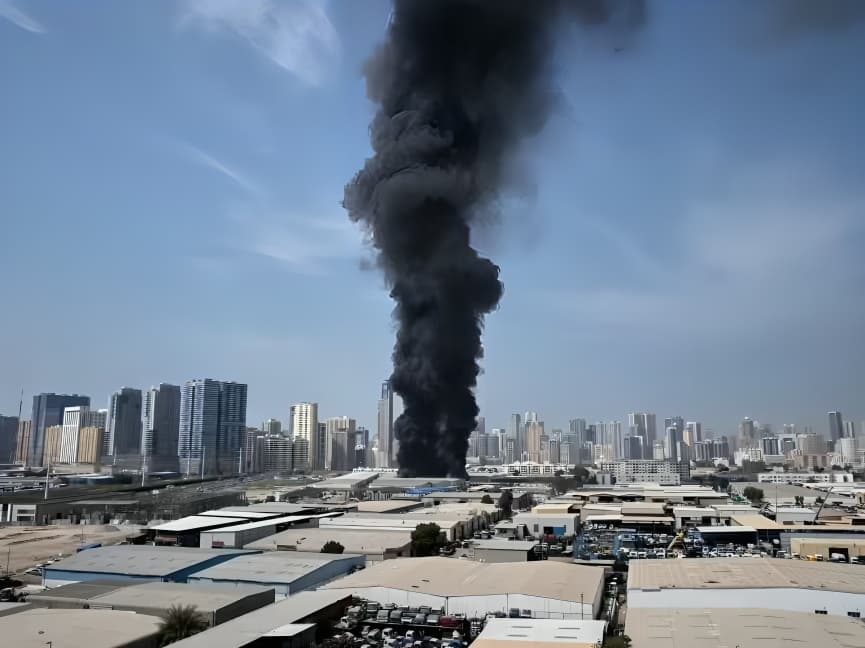
The situation on the ground remains volatile, with continued reports of missile launches, airstrikes, and defensive operations. Israeli authorities have been working to intercept incoming missiles and minimize damage, while also carrying out their own military responses. The repeated exchanges have raised concerns about the potential for further escalation.
Experts note that the use of missile strikes in the conflict demonstrates the evolving nature of modern warfare in the region. Both offensive and defensive capabilities play a crucial role in determining the impact of such attacks. Civilian safety remains a major concern, as populated areas can be affected by both direct strikes and debris from interceptions.
The ongoing conflict has also drawn attention from the international community, with calls for restraint and diplomatic engagement. Global markets and energy supplies have been affected by the instability, highlighting the broader implications of the situation beyond the immediate region.
Political analysts suggest that public statements by leaders can influence both domestic and international perceptions of the conflict. Differences in messaging between countries often reflect strategic interests and communication approaches.
Overall, the recent developments involving Iran’s response and the missile attacks in Israel underline the continuing volatility in the region. With no clear resolution in sight, the situation is likely to remain under close observation by governments and international organizations. Efforts toward de escalation and dialogue are expected to be critical in addressing the ongoing tensions.