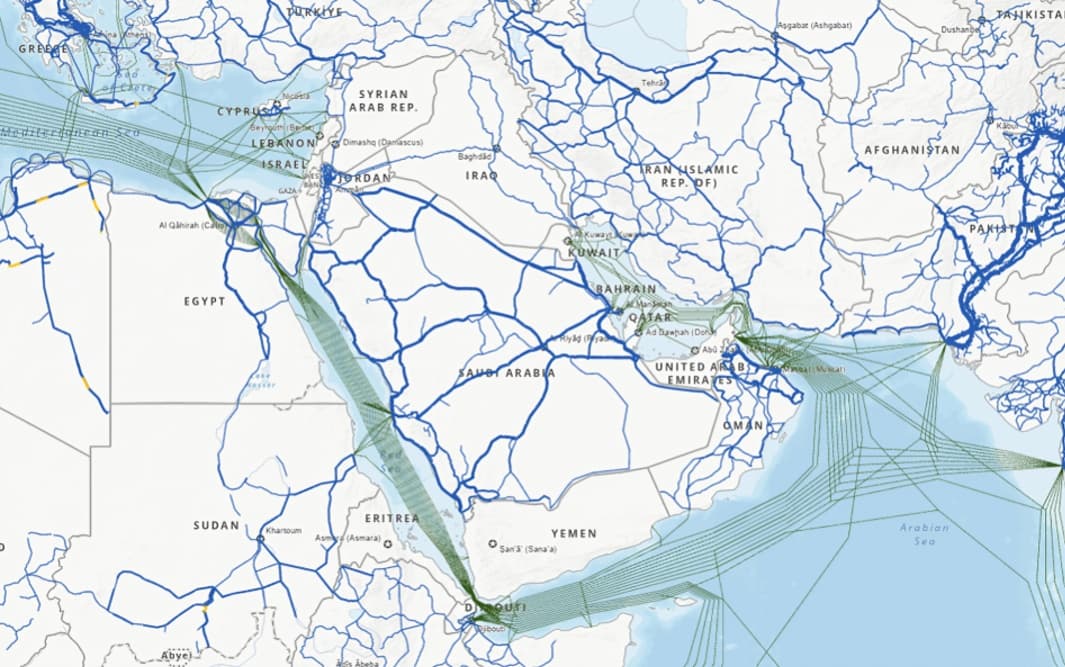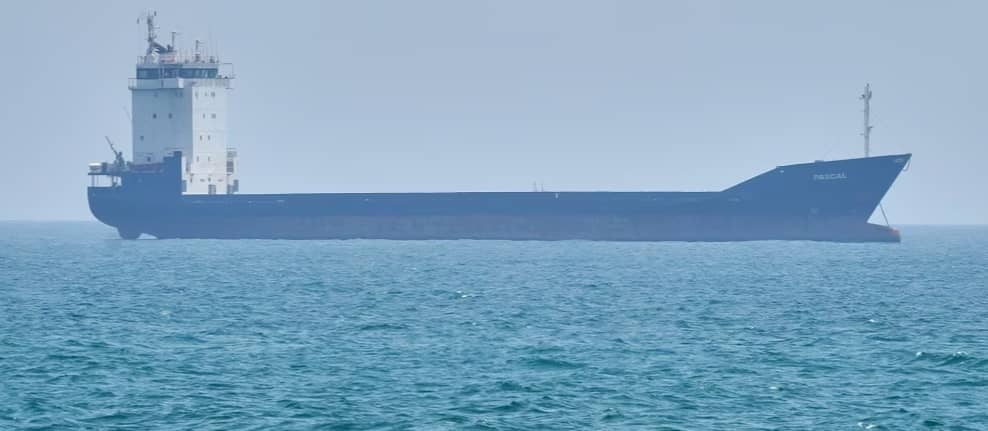
Iran has reportedly seized two vessels in the strategically important Strait of Hormuz region, with one of the ships said to be bound for Gujarat in India. The development has added to growing tensions in the area, which is already witnessing heightened geopolitical and maritime security concerns.
According to reports, the incident took place amid increasing friction involving Iran and international maritime activity in the region. The Strait of Hormuz is one of the most critical shipping routes in the world, connecting major oil producing regions with global markets. A significant portion of global crude oil shipments passes through this narrow waterway.
The seizure of the vessels has raised concerns among shipping companies and international trade observers, particularly due to the possible impact on commercial shipping routes. One of the affected vessels was reportedly en route to Gujarat, a key industrial and port region in India.
This development follows earlier reports of a tense maritime episode in the same region, where Iranian forces allegedly opened fire on a ship that was heading towards India. The vessel was reportedly forced to turn back, highlighting the increasing volatility in the area.
The Strait of Hormuz is known for its strategic importance, as it serves as a major passage for energy exports from Gulf countries. Any disruption in this route has the potential to impact global oil prices and shipping insurance costs.
India, which relies heavily on maritime trade routes for energy and goods imports, closely monitors developments in this region. The safety of commercial vessels passing through these waters is a key concern for shipping operators and policymakers.
Iran has not officially provided detailed reasons for the seizure of the two vessels at the time of reporting. However, such incidents in the region have previously been linked to broader geopolitical tensions and maritime disputes involving inspections, sanctions, and security concerns.
International maritime authorities have often advised caution for vessels transiting through the area due to unpredictable security conditions. Shipping companies typically assess risk levels before planning routes through the region.
Experts note that repeated incidents in the Strait of Hormuz could lead to increased insurance costs and potential rerouting of shipping lanes, which may affect global supply chains.
The involvement of a vessel reportedly bound for Gujarat adds significance for India, given the importance of uninterrupted maritime trade for energy and industrial supplies. Authorities are expected to monitor the situation closely and assess any potential impact on Indian shipping interests.
As tensions continue in the region, diplomatic and maritime channels are likely to play an important role in addressing such incidents and ensuring the safety of international shipping.
The latest seizure highlights ongoing uncertainty in one of the world’s most sensitive maritime corridors, where even minor escalations can have wide ranging global consequences.