The geopolitical situation in the Middle East has seen a potential de-escalation, with reports indicating that Iran’s new Supreme Leader, Mojtaba Khamenei, may be open to negotiations with the United States. This development comes as the US extended its deadline for Iran to reopen the Strait of Hormuz, a crucial shipping route for global oil supplies.
President Donald Trump announced that Washington would hold off on military action against Iranian power facilities for an additional five days. The extension reflects ongoing diplomatic engagement and a willingness to explore peaceful solutions to rising tensions. Trump stated that US envoys have been engaging with a “respected” Iranian leader, signaling that both sides may be seeking a resolution to prevent further conflict.
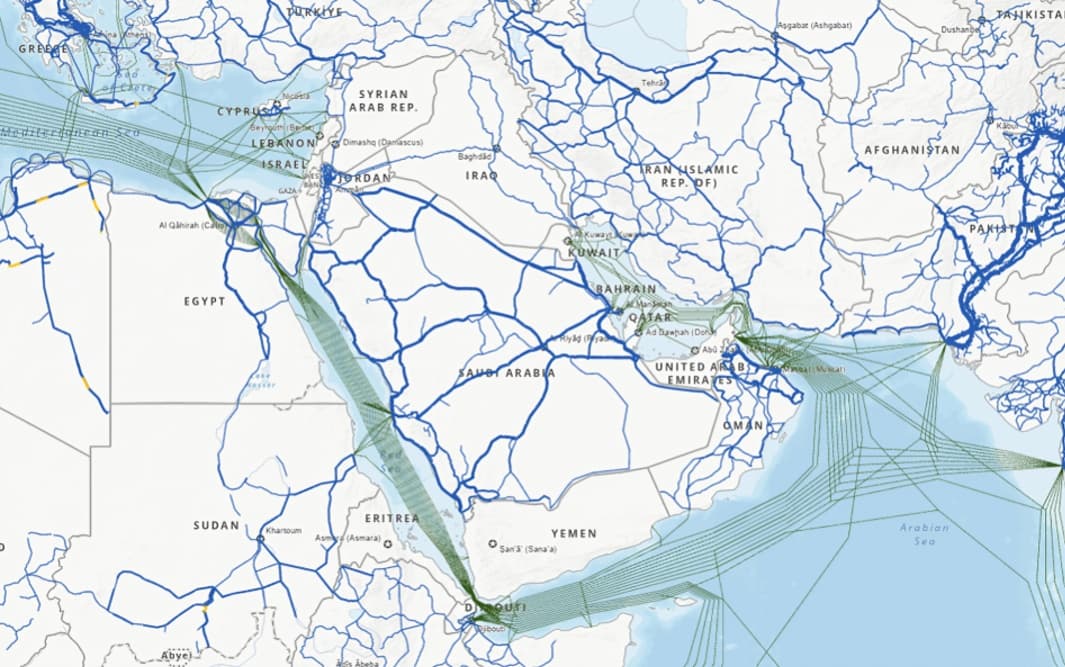
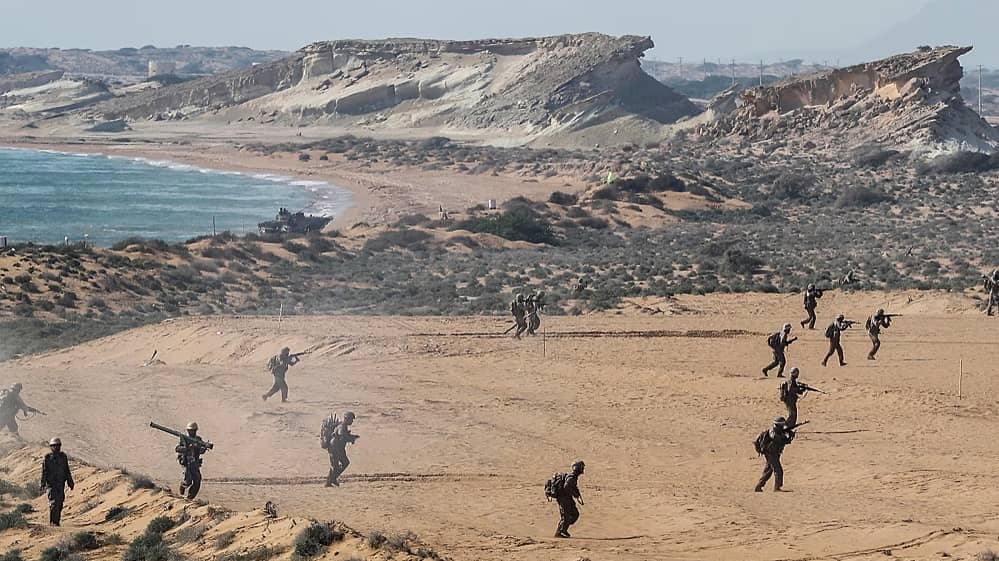
The Strait of Hormuz, located between the Persian Gulf and the Gulf of Oman, is a strategic chokepoint for global oil shipments. Any disruption in the strait can have far-reaching implications for energy markets, international trade, and regional security. Recent military escalations and threats of action had created concern among global economic observers, given the strait’s importance to oil exports from the region.
While Iranian officials have publicly denied some claims regarding negotiations, reports suggest that there is at least preliminary interest in reaching an agreement. Diplomatic channels appear to remain active, with both Washington and Tehran monitoring the situation closely. Analysts note that even tentative steps toward dialogue can help reduce the risk of conflict and stabilize regional markets.
The potential for talks between the US and Iran marks a significant shift from previous months, which saw heightened tensions, threats of military strikes, and concerns over maritime security. Observers suggest that external pressures, including economic sanctions and international mediation, may have influenced Iran’s willingness to engage in discussions.
Experts emphasize the importance of cautious optimism, noting that geopolitical negotiations often involve complex dynamics and multiple stakeholders. Any agreement or compromise will require careful implementation and verification to ensure compliance from all parties involved.
In addition to regional implications, the situation has global significance. Oil prices, international shipping routes, and energy security concerns have been closely tied to the developments in the Strait of Hormuz. A negotiated settlement could reduce uncertainty in markets and provide stability for global trade networks.
As international attention focuses on the region, diplomats from multiple countries are reportedly monitoring developments, offering support for de-escalation, and encouraging dialogue. Both economic and security interests are driving global engagement, highlighting the interconnected nature of regional and international stability.
While the coming days will be crucial in determining whether meaningful negotiations take place, the extension of the US deadline and signals from Iran suggest that diplomacy remains a viable path forward. Continued engagement and careful monitoring will be essential to ensure that tensions do not escalate further and that any agreement can be implemented effectively.