
Iran has warned of serious regional consequences following plans by the United States to implement a blockade of the Strait of Hormuz. The statement comes amid rising tensions between the two nations and growing concerns about the stability of one of the world’s most important maritime routes.
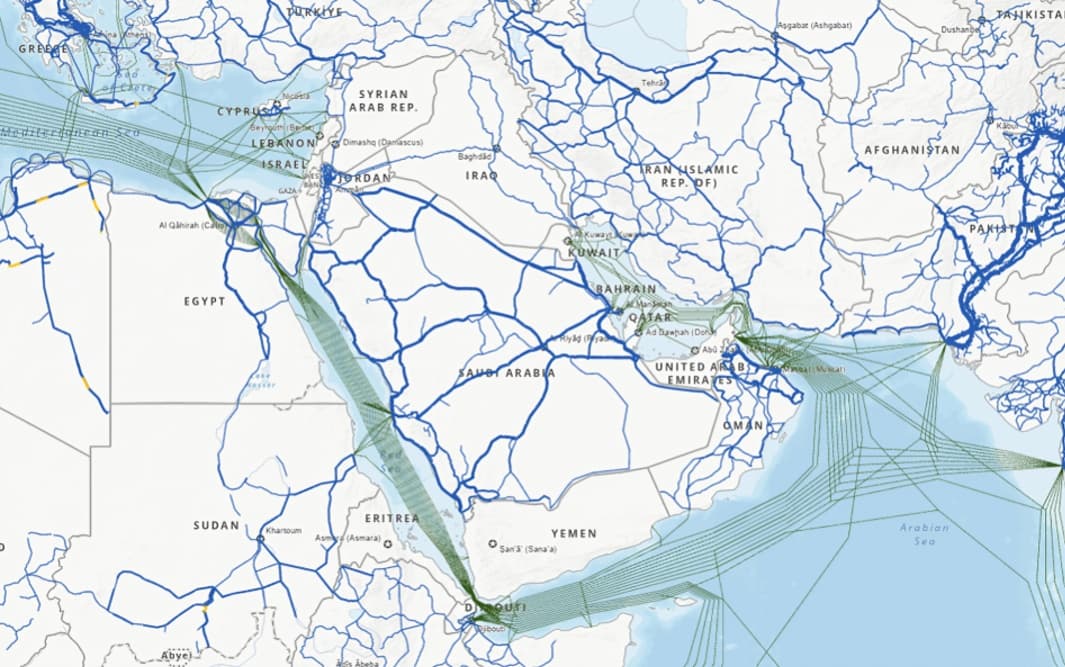
The Strait of Hormuz is a critical passage for global oil shipments, with a significant portion of the world’s energy supply passing through it. Any disruption in this narrow waterway can have far reaching implications for international trade and economic stability. The proposed blockade has therefore attracted attention from countries across the globe.
Iranian officials have indicated that if their ports are targeted or restricted, the impact could extend beyond national boundaries. They warned that such actions could affect all Gulf ports, potentially disrupting shipping and trade in the region. The statement highlights the interconnected nature of maritime operations and the potential for wider consequences.
The United States has announced plans to enforce the blockade as part of its response to ongoing tensions. The move is seen as an effort to exert pressure and address security concerns. However, it also raises the risk of escalation, with both sides maintaining firm positions.
The situation has led to increased uncertainty in global markets, particularly in the energy sector. Oil prices often react to developments in the Middle East, given the region’s importance in production and supply. Any disruption in shipping routes can lead to fluctuations in prices and impact economies worldwide.
International observers have called for restraint and dialogue to prevent further escalation. Diplomatic efforts are considered crucial in addressing the underlying issues and ensuring that tensions do not lead to broader conflict. The involvement of multiple stakeholders adds complexity to the situation.
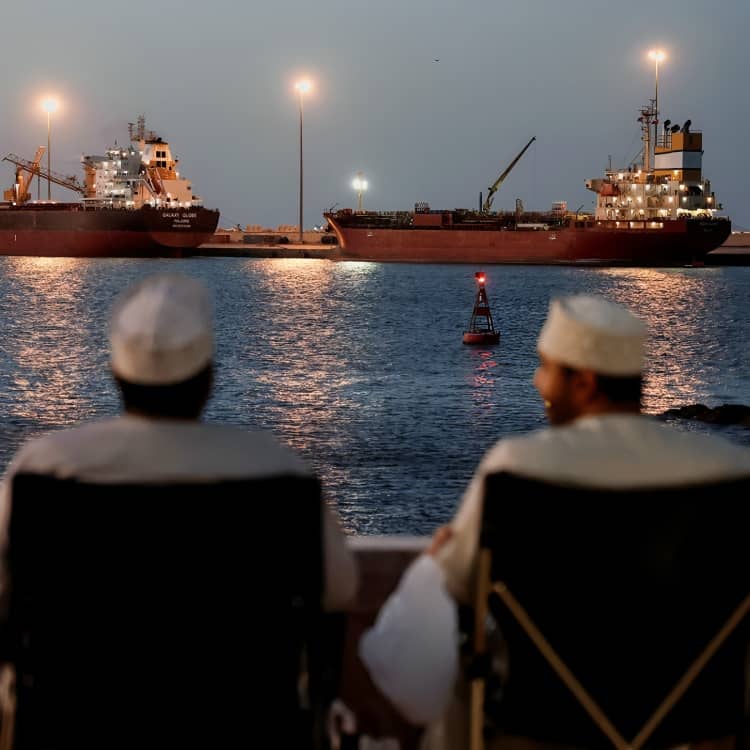
Shipping companies and governments are closely monitoring developments, as the safety of vessels and crew members remains a priority. Measures such as naval escorts and enhanced security protocols may be implemented to manage risks. The situation also highlights the importance of contingency planning in the face of uncertainty.
Experts note that while such warnings are part of geopolitical dynamics, they also serve as reminders of the potential consequences of conflict. The impact on global trade, energy supply, and economic stability underscores the need for careful decision making.
The Strait of Hormuz has historically been a focal point of geopolitical tensions, given its strategic significance. Developments in this region are therefore closely watched by international markets and policymakers.
As the situation evolves, the focus will remain on whether diplomatic channels can help de escalate tensions. The ability of involved parties to engage in constructive dialogue will play a key role in determining the outcome.
Overall, Iran’s warning and the proposed US blockade highlight the fragile nature of the current situation. The developments underscore the importance of maintaining stability in key global trade routes and the need for continued efforts to resolve conflicts through peaceful means.