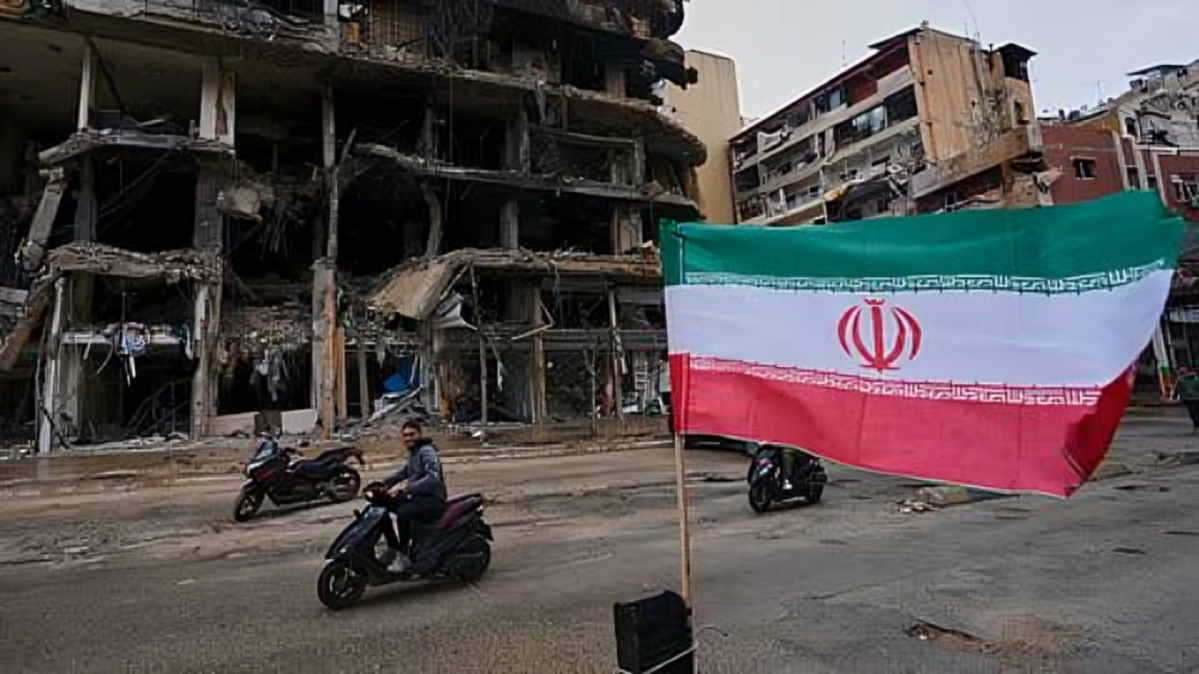
Tensions between Iran and the United States have intensified after Iranian Foreign Minister Abbas Araghchi warned that Tehran is prepared for renewed military conflict while continuing to keep the possibility of diplomacy open.
Araghchi made the remarks during an interview with NBC News on September 27. He said Iran was prepared for the conflict to resume and would respond to what it considers further aggression. At the same time, he said Tehran remained ready for negotiations and that the decision over whether to pursue diplomacy rested with the United States.
The latest statements came after Washington rejected an Iranian proposal concerning a temporary halt to hostilities, the reopening of the Strait of Hormuz and the resumption of nuclear discussions. Iran had proposed a seven day roadmap under which the strategically important waterway would be reopened and negotiations over its nuclear programme would resume.
According to reports, Iran's proposal included conditions involving the release of frozen Iranian assets, the lifting of certain sanctions and the removal of the US naval blockade. Tehran has said that reopening the Strait of Hormuz could form part of a negotiated settlement.
The Strait of Hormuz is a major international shipping route and an important passage for global energy supplies. Any prolonged disruption to traffic through the waterway has the potential to affect oil markets and international shipping. Iran has linked the reopening of the strait to measures it wants the United States to take as part of a wider settlement.
US officials have rejected the Iranian proposal. US Ambassador to the United Nations Mike Waltz said Washington viewed Tehran's terms as unacceptable because Iran was seeking sanctions relief and access to frozen assets before broader negotiations. The US position, as reported by several outlets, is that Iran's conditions would have to be addressed differently before an agreement could be reached.
President Donald Trump has also declined to rule out the possibility of renewed US military strikes against Iran before the November midterm elections. Asked whether American strikes could resume before the elections, Trump said that it was possible but did not provide a specific timetable.
Trump has separately said that preventing Iran from obtaining a nuclear weapon remains a central objective of US policy. He has also claimed that military and economic pressure have weakened Iran. Those assessments are statements from the US president and have not been independently established in the reports reviewed.
Araghchi, meanwhile, said Iran was not basing its decisions on the US electoral calendar. He said Tehran's position was based on what it considers its national interests. He also repeated that Iran was prepared to continue diplomatic efforts despite the rejection of its latest proposal.
The Iranian foreign minister also said Tehran had not received the US rejection through the formal diplomatic channels it was using for negotiations. He maintained that Iran was still waiting for communications through mediators.
Despite the public rejection of the Iranian proposal, diplomatic contacts have not completely stopped. Reports indicate that indirect discussions involving mediators could continue during the week. Qatar has been involved in passing messages between the two sides, with diplomatic efforts focused on finding possible changes to the proposed arrangement.
The dispute over the Strait of Hormuz has added another major issue to the conflict. Iran has indicated that it could reopen the waterway if Washington takes specified steps, including easing military pressure and addressing sanctions and frozen assets. The United States, however, has rejected the proposal in its current form.
A separate dispute has also emerged over an American underwater surveillance vehicle. Iran's Islamic Revolutionary Guard Corps has claimed that its forces captured an American unmanned underwater vehicle operating in the Strait of Hormuz. The US military has denied the claim and said its unmanned systems operating in the region remain accounted for.
The conflicting statements over the underwater vehicle have not been independently resolved in the reports currently available. The incident has nevertheless added another point of tension between the two countries at a time when diplomatic efforts are already under pressure.
The broader conflict has also raised concerns about international energy markets. The Strait of Hormuz is a critical route for oil and gas shipments, meaning developments around the waterway are being closely monitored by governments, energy companies and financial markets.
Trump has linked the eventual end of the conflict to lower oil prices and has said he expects the United States to achieve its objectives. Iran, meanwhile, has continued to say that it will resist further military action while keeping the door open to negotiations.
The two governments therefore remain publicly divided on the terms required to end the conflict. Iran wants measures involving sanctions, frozen assets, oil sales and the reopening of the Strait of Hormuz to be part of the diplomatic framework. Washington has rejected Tehran's latest proposal and has maintained pressure on Iran.
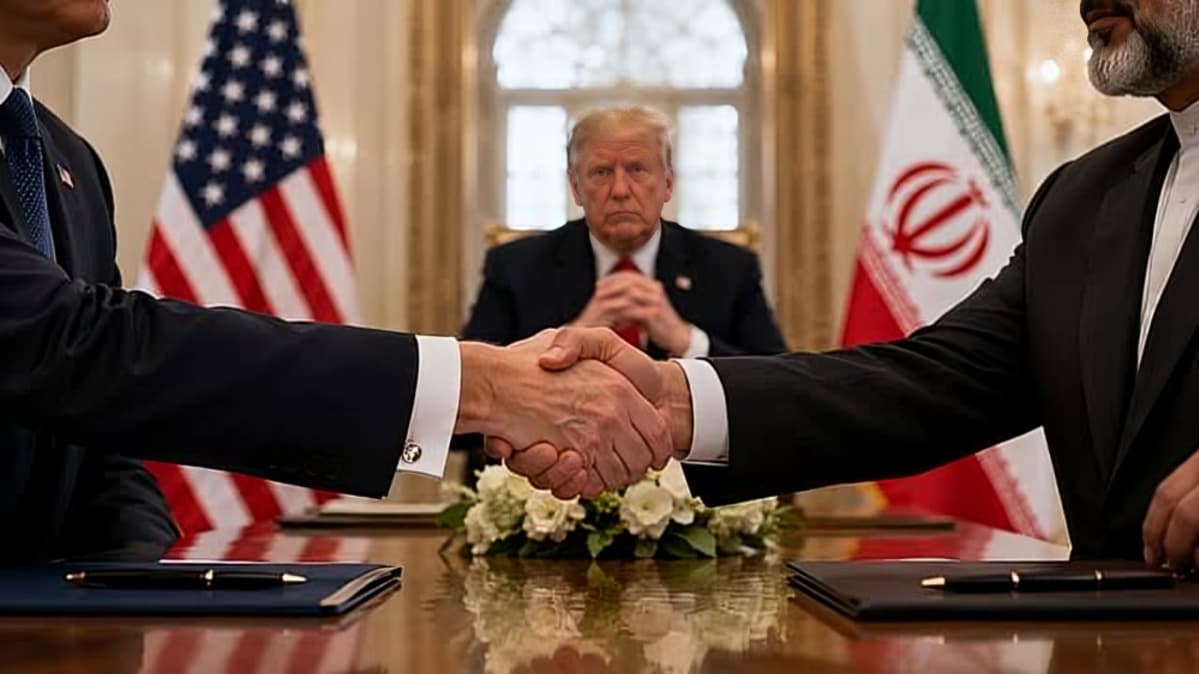
At the same time, the possibility of further diplomatic engagement remains. Trump has indicated that indirect talks with Iran could continue, while Araghchi has repeatedly said Tehran is willing to negotiate. The continuation of these contacts could determine whether the two sides move toward another temporary arrangement or return to further military confrontation.
The situation remains fluid as of September 28, 2026. There has been no confirmed announcement of a new comprehensive ceasefire between the United States and Iran. Trump's comments leave open the possibility of further US military action, while Araghchi's statements indicate that Iran is preparing for renewed hostilities while still supporting diplomacy.
The Strait of Hormuz remains at the centre of the diplomatic dispute. Iran has proposed a timetable for reopening the waterway, while the United States has rejected the proposal because of the conditions attached to it. Meanwhile, both sides continue to exchange statements over military operations, sanctions, nuclear negotiations and the possibility of further talks.
With diplomatic channels still being explored through intermediaries, the next developments are expected to focus on whether the United States and Iran can agree on revised terms for reopening the waterway and restarting nuclear negotiations. Until such an agreement is reached, the military and diplomatic situation remains uncertain.