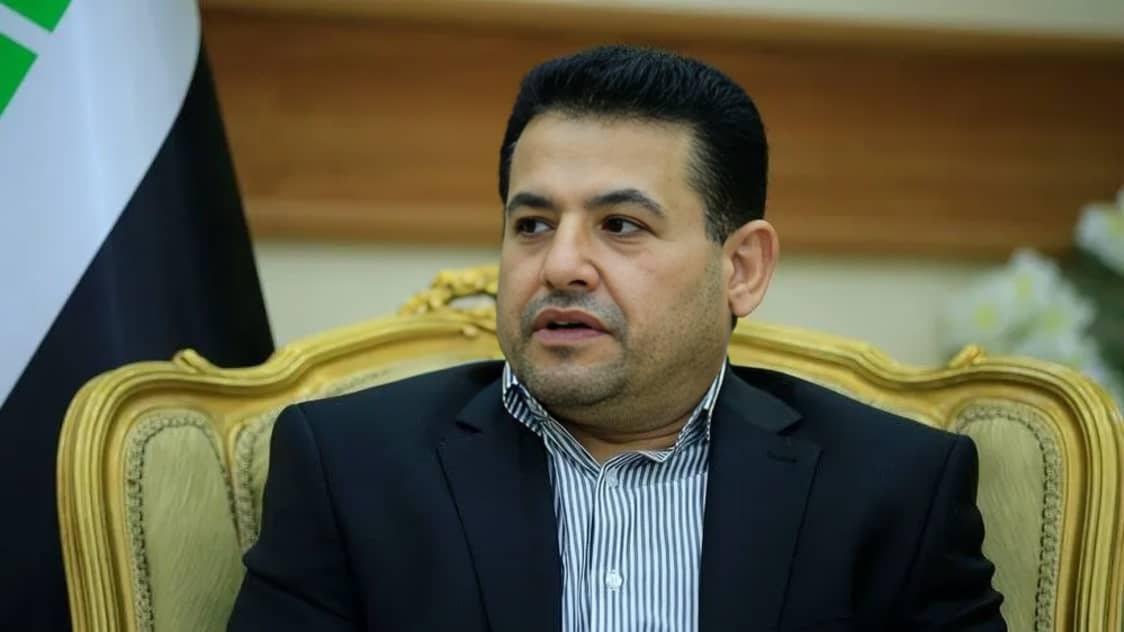
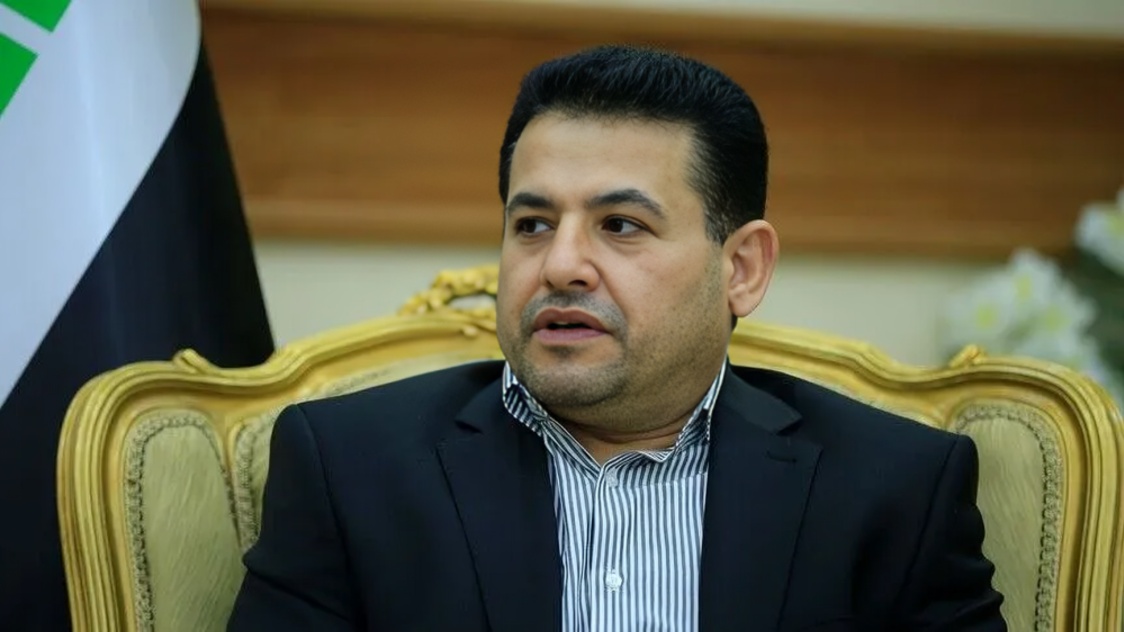
Iraq has proposed creating a joint security coordination council with Iran and Saudi Arabia as Baghdad seeks to ease tensions between the two influential Middle Eastern powers. The initiative was disclosed by Qasim al Araji, the national security adviser to the Iraqi prime minister, who said the proposal had been presented to both Tehran and Riyadh.
Speaking to Iraq's state broadcaster, al Araji said the central problem between Iran and Saudi Arabia was a crisis of trust. He did not provide details about the proposed council, including its membership, structure, meeting arrangements or specific responsibilities. Iran and Saudi Arabia had not immediately issued public responses to the initiative.
The Iraqi proposal comes at a time of heightened security tensions across the Middle East. Baghdad has attempted to maintain working relations with both Iran and Saudi Arabia while also seeking to prevent Iraqi territory from becoming a battleground for disputes between regional powers.
The proposal reflects Iraq's interest in playing a larger diplomatic role in regional security affairs. By bringing Iran and Saudi Arabia into a common security framework, Baghdad hopes to encourage direct communication and reduce the risk of misunderstandings or escalation.
Relations between Tehran and Riyadh have improved compared with earlier periods of intense rivalry, but significant strategic differences remain. Security concerns involving armed groups, regional conflicts and competing political interests continue to affect relations between the two countries.
The Iraqi initiative also follows recent diplomatic contacts between Baghdad and Riyadh. Iraqi Foreign Minister Fuad Hussein and Saudi Foreign Minister Faisal bin Farhan have discussed regional developments and the need to contain escalation and resolve disagreements through diplomatic channels.
The security proposal comes amid concerns over attacks involving drones launched from Iraqi territory. Saudi Arabia said on July 27 that it had intercepted several drones that it said were launched from Iraq and targeted locations including oil facilities in the Eastern Province and Riyadh. Saudi authorities attributed the attacks to Iran affiliated militias and said they reserved the right to respond.
The Iraqi government has sought to address such concerns while maintaining that security decisions and the use of force should remain under state authority. Al Araji also said that bringing all weapons under the control of the Iraqi state was a strategic decision belonging solely to Iraq and that decisions relating to war and peace should remain with the Iraqi government.
The proposal for a joint council could therefore serve several purposes for Baghdad. It could provide a channel for security dialogue, help reduce tensions between Iran and Saudi Arabia and create a mechanism for discussing concerns before they develop into larger regional crises.
For Iraq, the initiative also has an important domestic dimension. Baghdad has been trying to prevent regional rivalries from affecting its territory, economy and security. Iraq has strong political, economic and geographic links with Iran while also maintaining important relations with Saudi Arabia and other Gulf states.
Iraq's position becomes particularly sensitive during periods of regional conflict because its territory is located between several competing political and security interests. A formal or semi formal mechanism involving Tehran and Riyadh could provide Baghdad with an additional diplomatic instrument to manage these pressures.
The initiative also comes as regional countries consider new approaches to security cooperation. Recent developments in the Middle East have encouraged governments to examine ways of increasing regional coordination and reducing the risks associated with military escalation.
However, the success of the Iraqi proposal will depend largely on whether Iran and Saudi Arabia are willing to participate and what responsibilities they would assign to such a council. No official details have yet been announced about the proposed mechanism, and neither country has publicly accepted the initiative.
If the proposal moves forward, discussions could potentially cover border security, armed groups, drone attacks, regional conflicts, intelligence cooperation and mechanisms for preventing escalation. Any agreement would likely require both countries to overcome longstanding differences and establish sufficient trust for sustained security dialogue.
For now, the proposal remains an Iraqi diplomatic initiative rather than an established regional institution. Its significance lies in Baghdad's attempt to bring two major regional powers into a common security dialogue at a time when tensions remain high.
The coming weeks are likely to provide greater clarity on whether Tehran and Riyadh will respond positively to the proposal and whether Iraq can develop the initiative into a workable framework for regional security cooperation.