North Korea has issued a warning to the United States over Washington’s military support for Taiwan while simultaneously reaffirming its close strategic relationship with Russia.
The latest comments were reported by North Korea’s state media on October 7. A commentary by North Korean international affairs analyst Kim Myong Chol criticised US arms sales and military support for Taiwan. The commentary accused Washington of increasing tensions in the Taiwan Strait and argued that US policy was undermining regional peace and stability.
The warning came shortly after Taiwan received the first two F 16V Block 70 fighter jets from the United States. Taiwan had ordered the advanced aircraft in 2019 as part of efforts to strengthen its air defence capabilities amid growing military pressure from China.
Reuters reported that the first two aircraft from a batch of 66 new F 16V Block 70 jets arrived in Taiwan last week. The aircraft are part of an approximately 8 billion dollar US approved sale and are intended to strengthen Taiwan’s ability to respond to military threats.
Taiwan has faced repeated military activity by China around the island. Beijing considers Taiwan part of its territory and has repeatedly opposed US arms sales to Taipei. Taiwan’s government rejects Beijing’s sovereignty claims and maintains that its future should be determined by its people.
North Korea has increasingly aligned itself with China’s position on the Taiwan issue. During a meeting with Chinese President Xi Jinping in Pyongyang in June, Kim Jong Un expressed support for the One China principle. North Korean officials have subsequently continued to describe Taiwan as an internal Chinese issue and criticised outside military involvement.
In its latest statement, North Korea warned Washington against confronting China over Taiwan. The statement said the United States should consider the consequences of a direct confrontation with China in connection with its support for Taiwan. Such statements reflect Pyongyang’s broader diplomatic alignment with Beijing at a time of increasing strategic competition between China and the United States.
The United States, however, maintains that its support for Taiwan is focused on helping the island maintain its defence capabilities. Under US law, Washington is required to provide Taiwan with the means to defend itself, although the two sides do not have formal diplomatic relations.
The delivery of the F 16V aircraft is therefore significant for Taiwan’s defence planning. Reuters reported that the new fighter jets feature upgraded avionics, radar and weapons systems designed to improve Taiwan’s air capabilities. The aircraft are also intended to help Taiwan respond to increasingly sophisticated Chinese military aircraft.
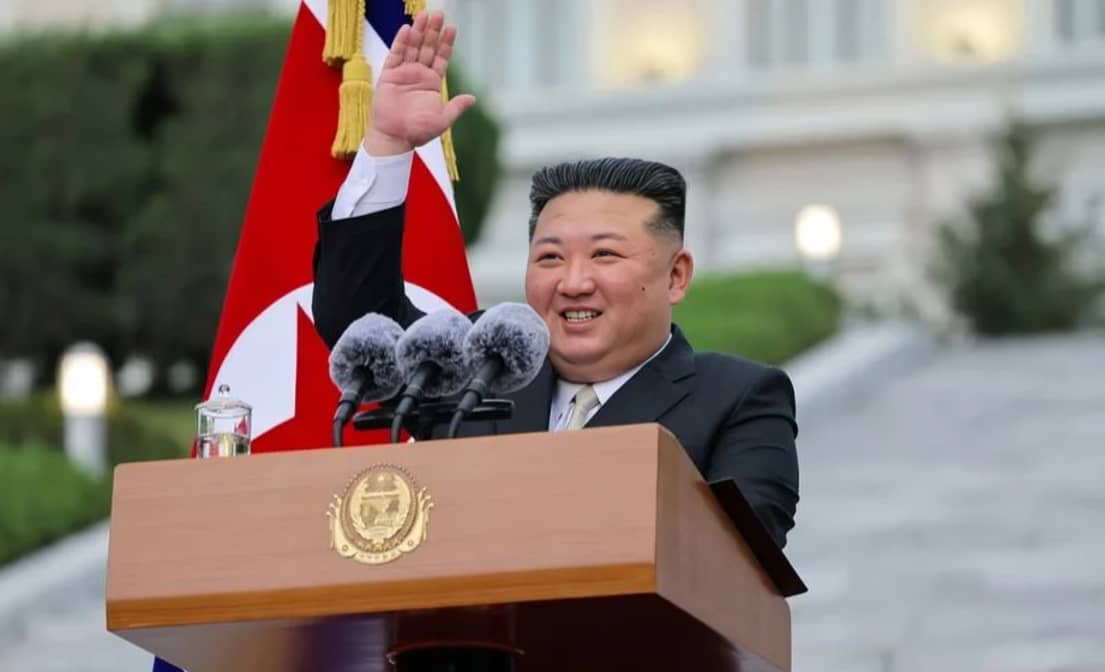
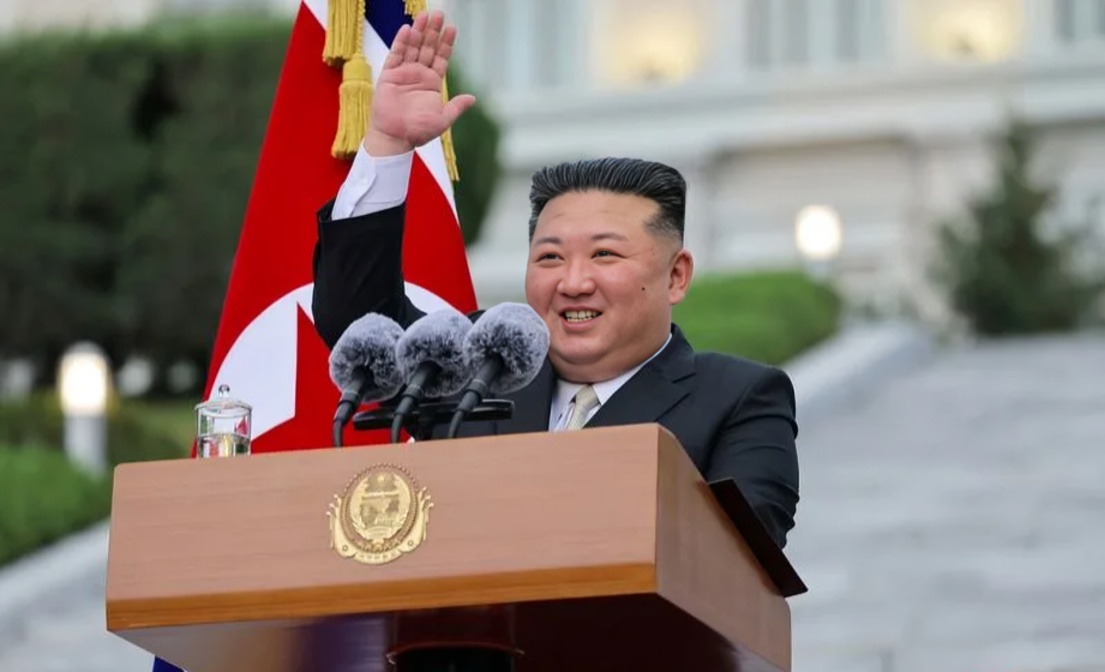
At the same time, North Korea is strengthening its relationship with Russia. In a separate message to Russian President Vladimir Putin marking his birthday, Kim Jong Un reaffirmed Pyongyang’s support for Moscow and said the two countries would continue expanding cooperation under their comprehensive strategic partnership.
According to North Korean state media, Kim expressed confidence that Russia’s stated effort to protect its sovereignty, security interests and territorial integrity would ultimately succeed. His message did not specifically mention the war in Ukraine, but the comments came against the background of deepening military cooperation between Moscow and Pyongyang.
North Korea and Russia have significantly strengthened their relationship since signing a comprehensive strategic partnership and mutual defence agreement in June 2024. The agreement provides for closer cooperation between the two countries and has been followed by increased military links.
North Korea has also been accused by Ukraine and South Korea of providing Russia with military personnel and ammunition for its war against Ukraine. Reuters reported that Ukrainian and South Korean estimates put the number of North Korean troops sent to support Russia since 2024 at around 14,000 to 15,000. North Korea has also supplied military equipment and ammunition to Russia, according to various international assessments.
The growing North Korea Russia relationship has attracted concern from the United States and its allies because of the potential transfer of military technology and battlefield experience. North Korea could potentially gain experience and technological assistance through its cooperation with Russia, while Moscow benefits from military support from Pyongyang.
The developments involving Taiwan and Russia demonstrate the wider geopolitical positioning of North Korea. Pyongyang has maintained a close relationship with China, its long standing ally, while simultaneously expanding cooperation with Russia. This gives North Korea stronger diplomatic and strategic connections with two major powers that oppose several aspects of US foreign policy.
The Taiwan issue remains one of the most sensitive areas in relations between China and the United States. Washington has continued to supply defensive equipment to Taiwan, while Beijing has repeatedly demanded that such arms sales stop. The arrival of the F 16V aircraft has therefore added another point of tension to an already sensitive relationship.
North Korea’s latest warning does not itself indicate that military action is imminent. Instead, the statement represents Pyongyang’s political position on Taiwan and its opposition to US military support for Taipei. Analysts will continue to monitor whether North Korea’s closer alignment with China and Russia results in additional military or diplomatic cooperation.
For the United States and its allies in the Indo Pacific region, the developments underline the increasingly interconnected nature of security challenges involving North Korea, China, Russia and Taiwan. North Korea’s criticism of US policy toward Taiwan, combined with Kim Jong Un’s continued support for Russia, highlights Pyongyang’s broader effort to strengthen relations with countries that share opposition to Washington’s strategic policies.
The latest developments also come as North Korea continues to maintain a strong military posture on the Korean Peninsula. The country has continued developing its missile and military capabilities while showing limited interest in returning to negotiations with the United States. Its expanding relationships with China and Russia could further influence the regional security environment in East Asia.
Overall, North Korea’s latest statements reflect two important elements of its foreign policy. Pyongyang is backing Beijing’s position on Taiwan and criticising US military assistance to Taipei, while at the same time deepening its strategic partnership with Moscow. The combination could add another layer of complexity to relations between North Korea, China, Russia and the United States.