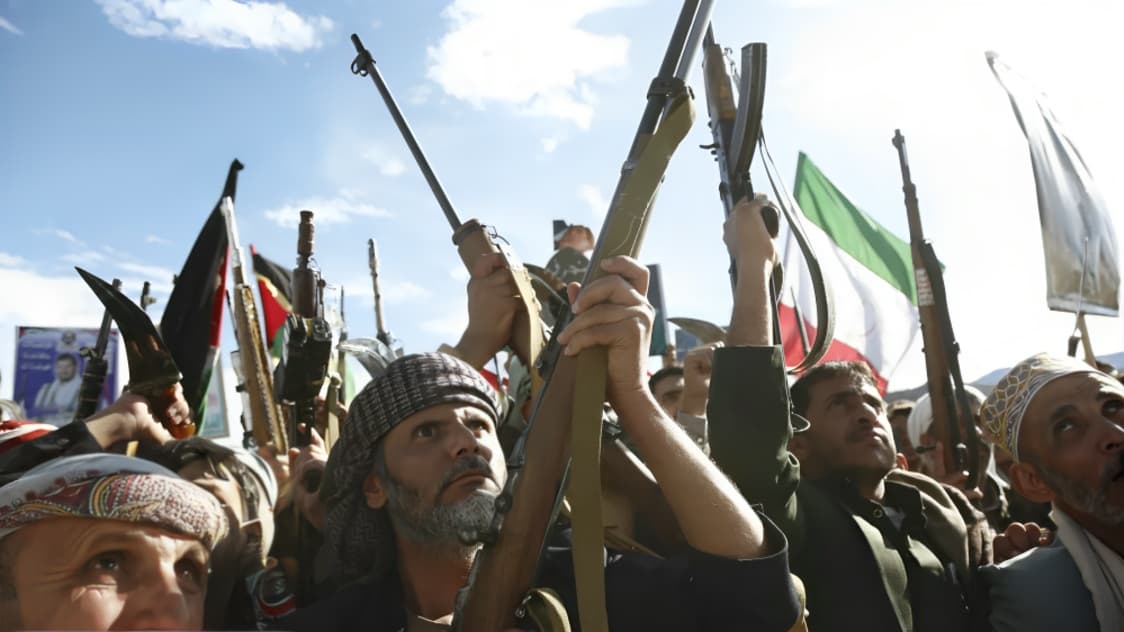
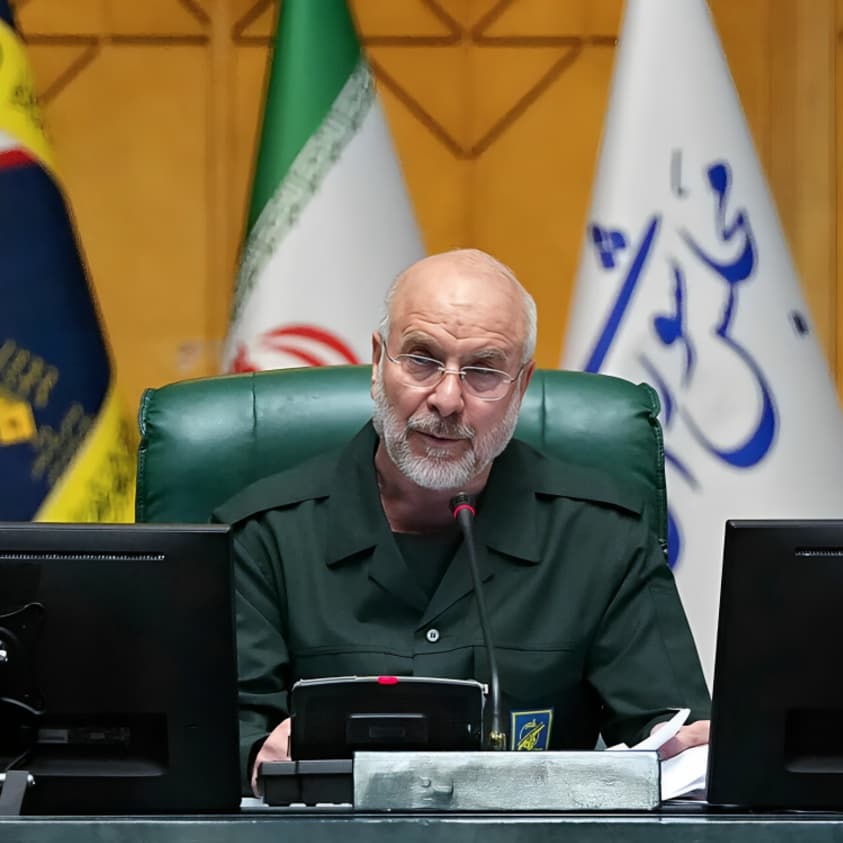
Recent comments from a senior official of Iran’s Islamic Revolutionary Guard Corps (IRGC) have sent ripples across the global strategic landscape. The IRGC commander reportedly made provocative remarks suggesting the possibility of nuclear retaliation against Israel if the country's national interests are threatened. While Iran has long maintained that its nuclear program is for peaceful purposes, such statements are being closely examined amid rising tensions in the Middle East.
The remarks have gained additional significance in light of growing reports of an emerging strategic understanding between Iran and Pakistan. While there is no formal military alliance between the two nations, recent diplomatic engagements, mutual defense discussions, and parallel interests in regional stability have led some analysts to speculate about a deeper geopolitical alignment. Any such development would likely alter the balance of power in the Middle East and South Asia.
Tensions between Iran and Israel have remained high for years, driven by ideological differences, proxy conflicts, and Iran’s support for groups considered hostile by Israel. The IRGC, which plays a central role in Iran’s military and foreign policy, has often taken a hardline stance against Israel. The latest nuclear-related statements have been interpreted as part of Tehran's strategy to assert deterrence and project strength amid increasing Israeli intelligence operations and airstrikes on Iranian assets in Syria and Lebanon.
The mention of Pakistan in this context has added a new layer of complexity. Pakistan, a nuclear-armed nation, has historically maintained a delicate balance in its Middle Eastern relationships, including strategic partnerships with Saudi Arabia and working diplomatic ties with Iran. While both Iran and Pakistan have engaged in border security cooperation and energy agreements, talk of a military or nuclear alliance remains speculative. Officials from both nations have not confirmed any such development.
International observers have expressed concern over the potential for escalation. The United Nations and nuclear watchdog agencies have reiterated calls for restraint and responsible rhetoric from all parties. The United States and European Union are closely monitoring the developments, especially given ongoing efforts to revive the Iran nuclear deal (JCPOA).
Israel, for its part, has responded by reaffirming its commitment to national security and defense preparedness. Israeli intelligence officials have downplayed the possibility of an immediate threat but acknowledged the seriousness of any reference to nuclear capabilities. Israeli Defense Forces have also continued to maintain a high alert status across northern borders.
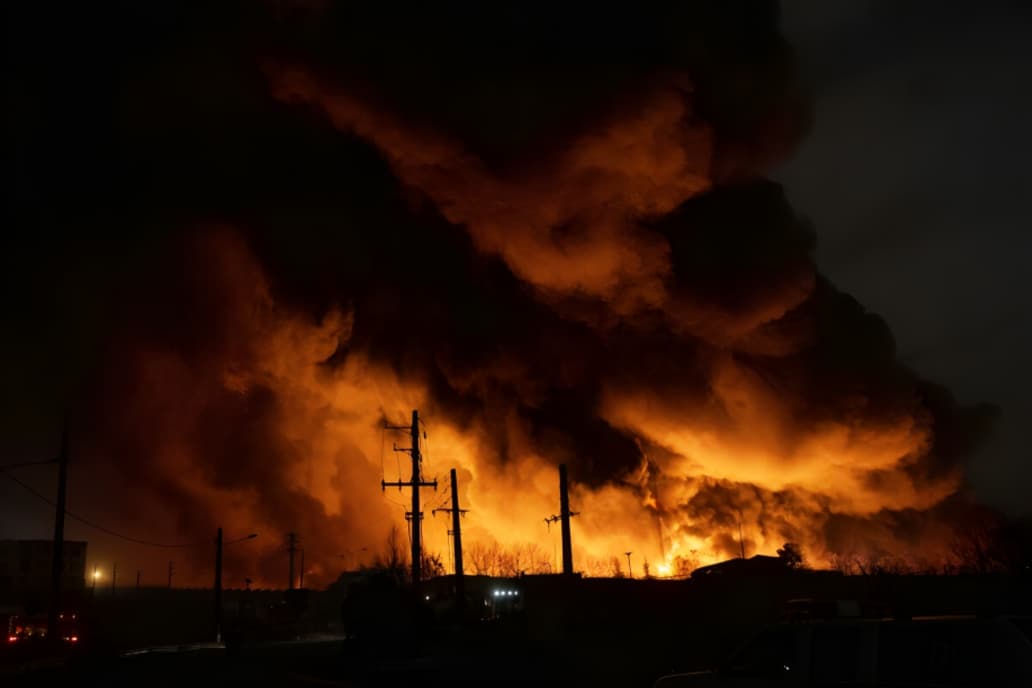
Meanwhile, geopolitical analysts caution that inflammatory statements, even if rhetorical, could increase instability in a region already grappling with multiple crises. They warn that a miscalculation or pre-emptive action by any side could trigger a broader conflict, affecting not only regional players but also global economic interests, particularly in energy and trade routes.
In conclusion, the IRGC leader’s nuclear warning, though not official Iranian policy, highlights the volatility of the regional security environment. While talk of a Pakistan-Iran axis remains unconfirmed, the broader context of shifting alliances and heightened rhetoric underscores the urgent need for diplomacy and de-escalation.