Majid Khademi, a senior figure within Iran’s Islamic Revolutionary Guard Corps, has been reported killed in a strike in Tehran. The development has been cited in statements associated with the Israel Defense Forces, bringing renewed focus to the ongoing tensions in West Asia.
Majid Khademi was known to hold a key position within the intelligence wing of the Islamic Revolutionary Guard Corps, an influential military organization in Iran. The IRGC plays a central role in the country’s defense and security framework, with its intelligence division responsible for monitoring internal and external threats.
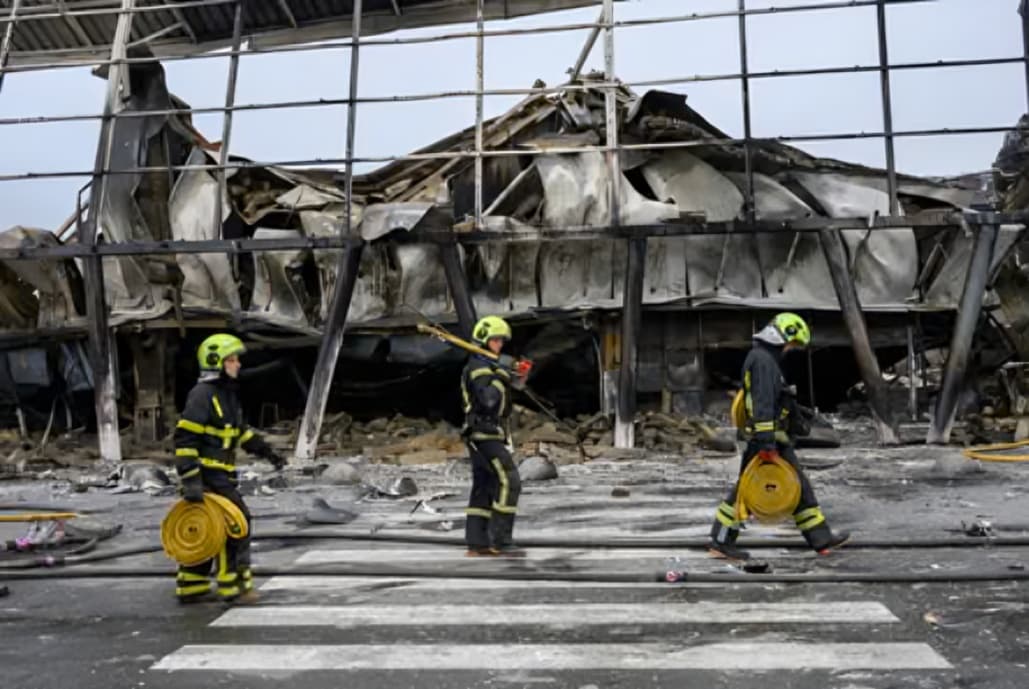
The reported strike in Tehran marks a significant development, as it involves a high ranking official. Such incidents often carry broader geopolitical implications, particularly in a region already experiencing heightened tensions. The circumstances surrounding the strike, including the exact sequence of events, are still being closely examined.
The Israel Defense Forces has been cited in connection with statements regarding the incident. However, details about the operation and its objectives have not been fully disclosed. Situations involving cross border or targeted strikes are often complex, with multiple perspectives and claims emerging from different sides.
The death of Majid Khademi is likely to have implications for regional security dynamics. Senior officials in intelligence roles are typically involved in strategic planning and coordination, and their loss can influence operational structures within organizations.
The incident comes at a time when tensions in West Asia remain elevated due to ongoing conflicts and political developments. Events such as this can contribute to uncertainty and may lead to increased diplomatic and military activity in the region.
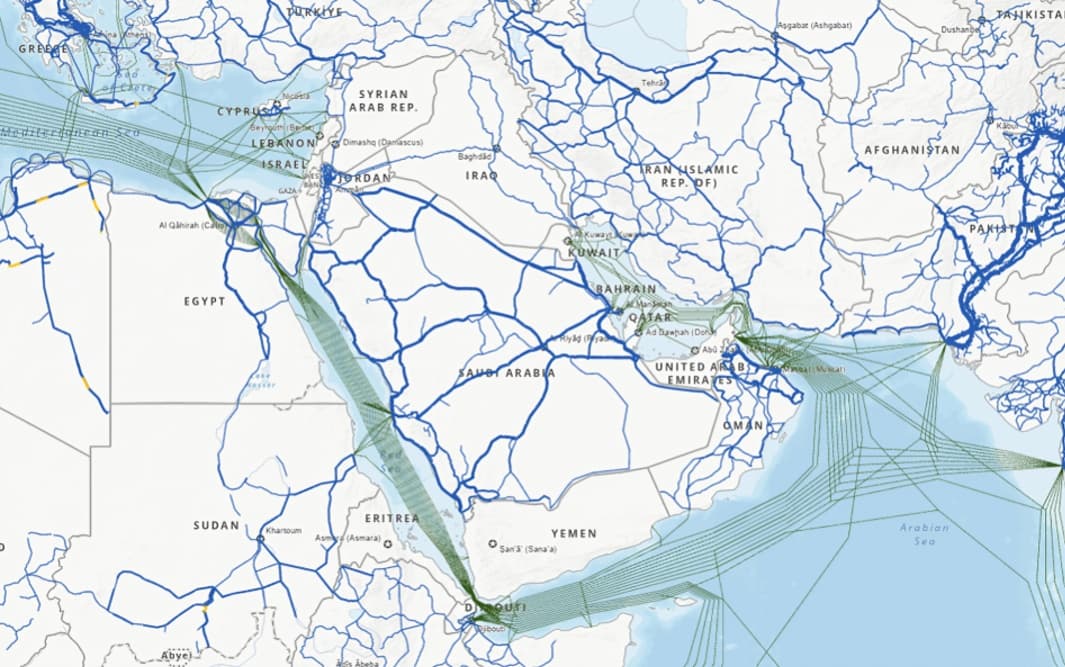
International observers are closely monitoring the situation, as developments in West Asia often have global repercussions. The region is critical for energy supplies and trade routes, and any escalation can impact markets and economic stability.
For countries around the world, including India, stability in West Asia is an important concern. The region’s geopolitical environment directly affects energy security, trade and international relations. As a result, governments continue to follow such developments carefully.
Analysts note that incidents involving high profile figures can influence both domestic and international responses. Governments may reassess their strategies and policies in light of new developments, while diplomatic efforts may intensify to manage the situation.
The role of intelligence organizations like the IRGC’s intelligence wing is central to national security. Leadership changes or disruptions within such bodies can have both immediate and long term effects on their functioning.
At the same time, information surrounding such incidents is often subject to verification, as multiple sources may present differing accounts. Official statements and independent confirmations are typically awaited to gain a clearer understanding of the situation.
Overall, the reported death of Majid Khademi highlights the fragile nature of the current geopolitical environment in West Asia. As developments continue to unfold, the international community will be watching closely for further updates and potential implications for regional stability.