In a significant development, Israel has deployed the U.S.-developed Terminal High Altitude Area Defense (THAAD) missile defense system for the first time. The decision to deploy THAAD comes amid rising regional security concerns, with potential missile threats from neighboring countries. The deployment aims to enhance Israel's defense capabilities, offering an additional layer of protection against a variety of missile threats.
What is THAAD?
THAAD is an advanced missile defense system designed to intercept and destroy short, medium, and intermediate-range ballistic missiles during their terminal phase of flight. Unlike traditional defense systems that intercept missiles in the midcourse phase, THAAD is specifically designed to strike missiles when they are descending toward their targets, offering a final line of defense.
The THAAD system works by using powerful radar and interceptors to detect and neutralize incoming threats. The system consists of several key components, including a radar system, launchers, interceptors, and command and control units. Once a ballistic missile is detected, the radar tracks its trajectory, and the system launches interceptors to destroy the missile before it reaches its target.
Israel’s Growing Security Concerns
Israel has long been at the forefront of missile defense technology, deploying systems like Iron Dome to intercept short-range missiles and David’s Sling to counter medium-range threats. The introduction of THAAD into Israel’s defense network signifies a strategic shift toward bolstering its defense capabilities against increasingly sophisticated missile threats in the region.
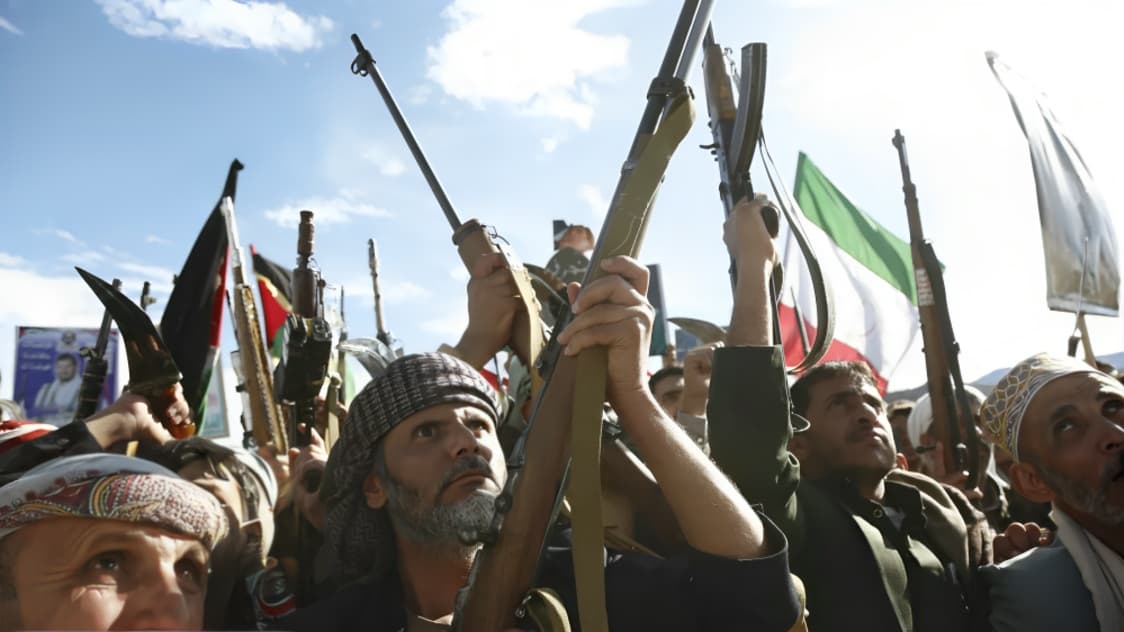
This decision is largely driven by the growing concerns over missile threats from Iran, Hezbollah, and other regional actors. Iran’s missile development program and its support for proxy groups in the region have heightened Israel's security concerns, prompting the need for additional missile defense measures.
How Does THAAD Enhance Israel's Defense Capabilities?
THAAD's advanced technology offers several advantages over Israel’s existing missile defense systems. It provides high-altitude interception, which means it can destroy incoming missiles outside of the Earth’s atmosphere, reducing the chances of the missile reaching its target. This capability makes THAAD highly effective against missiles with longer ranges, such as those that may be deployed by Iran or Hezbollah.
THAAD also integrates seamlessly with Israel’s existing missile defense network, including the Iron Dome and David’s Sling systems. The multi-layered defense strategy ensures that Israel has the flexibility to respond to different types of missile threats, ranging from short-range artillery rockets to more advanced long-range ballistic missiles.
The Strategic Significance of the THAAD Deployment
The deployment of THAAD is not just a defensive measure but also a signal of Israel’s increasing reliance on advanced technological solutions to counter missile threats. The U.S. has been a long-time ally of Israel, and the deployment underscores the strong military and defense cooperation between the two countries.
The use of THAAD could also serve as a deterrent to adversaries who may consider launching missile attacks on Israel. With its advanced interception capabilities, Israel aims to further protect its population and critical infrastructure from any potential missile threats in the future.
THAAD and Its Impact on Regional Dynamics
The deployment of THAAD in Israel has sparked concerns among some regional powers, particularly Iran. Iran, which has been developing its own ballistic missile program, may view the introduction of THAAD as a direct challenge to its strategic interests. The presence of such advanced missile defense systems could trigger an arms race in the region, as countries may feel compelled to develop their own missile capabilities to counter Israel’s technological advantage.
On the other hand, THAAD’s deployment could also strengthen Israel’s position in regional security discussions, as it enhances the country’s ability to protect itself from missile threats. This could help Israel secure its borders and increase its influence in shaping security policies in the Middle East.
Conclusion: A New Era of Missile Defense for Israel
Israel’s decision to deploy the THAAD system marks a new chapter in its missile defense strategy. With the growing threat of missile attacks from regional adversaries, the introduction of THAAD enhances Israel’s ability to defend its territory and protect its citizens. As missile defense technology continues to evolve, Israel is positioning itself as a leader in defense innovation, ensuring that it remains well-prepared to face the challenges of the 21st century.
The successful integration of THAAD into Israel's defense network is likely to serve as a model for other countries in the region, as they look to bolster their own security in the face of growing geopolitical tensions and missile proliferation.