

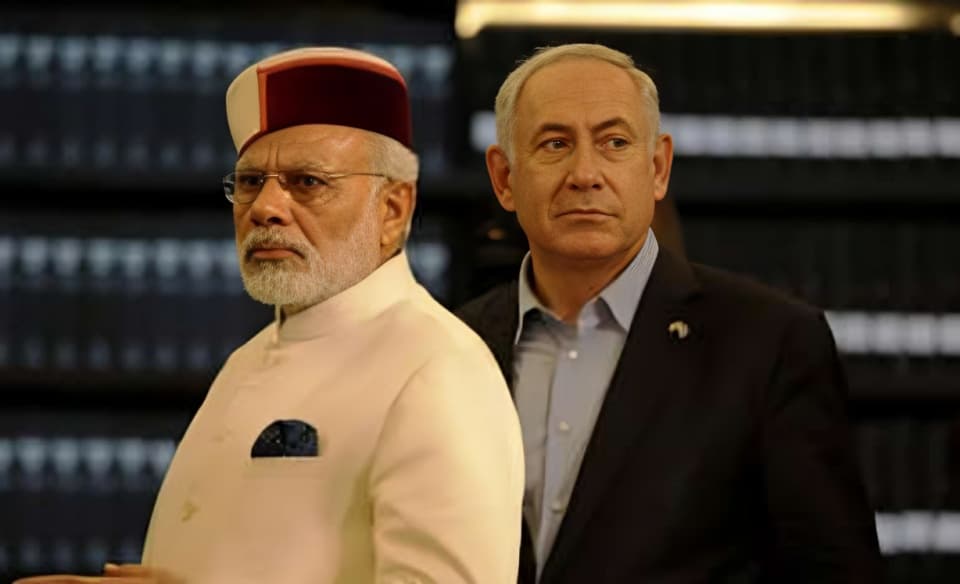
hexagon alliance seeks to formalise a broader cooperation framework that extends beyond existing economic or diplomatic partnerships. It would involve enhanced collaboration in areas such as defence coordination intelligence sharing and strategic dialogue. While India has maintained close ties with Israel in recent years especially in technology energy and defence sectors, the hexagon proposal moves discourse toward a more structured security relationship among a wider grouping of nations.
India role in the proposed alliance has drawn attention due to the country historical emphasis on strategic autonomy and its long‑standing membership in the Non‑Aligned Movement. New Delhi engages with a diverse set of partners in the region including robust ties with Gulf countries and a growing strategic engagement with Western nations. India also maintains diplomatic relations with Iran, positioning New Delhi as a key actor in a complex regional landscape.
The announcement underscores the evolving nature of partnerships as regional actors seek mechanisms to address security challenges and deter extremist threats. Netanyahu’s articulation of the hexagon alliance marks a shift from more informal understandings toward a declared strategic architecture that could shape diplomatic engagements in the coming years.
Prime Minister Modi visit to Israel is expected to include bilateral discussions on a range of issues including defence cooperation technology energy and trade. The hexagon proposal and the broader regional security context will likely feature in these conversations. India Ministry of External Affairs noted that the visit will provide an opportunity for both leaders to exchange perspectives on regional and global matters of mutual interest.


