The military confrontation between Israel and Iran, involving ongoing support from the United States, has entered a heightened phase, with new strikes and counter‑strikes reported across the region. Israel announced that it targeted a missile and sea mine production facility near Yazd, further expanding its operations against Iranian military infrastructure.
According to military sources cited in media reporting, the facility struck in Yazd is linked to the Islamic Revolutionary Guard Corps’ capabilities in producing missiles and naval mines. Neutralising such sites is part of a broader campaign by Israeli forces aimed at degrading Iran’s ability to sustain long‑range missile strikes and naval operations in the Gulf. Strategic missile command and related infrastructure have been key targets in recent weeks as the campaign extends deeper inside Iran.
The long‑running confrontation, now into its fourth week, has seen sustained Israeli air operations deep within Iranian territory, while Tehran continues to launch missiles and other weapons toward Israel and, at times, allied positions. Reuters and other international reports note that Iran has adapted its tactics, dispersing its assets and taking advantage of inland sites that are harder to target.
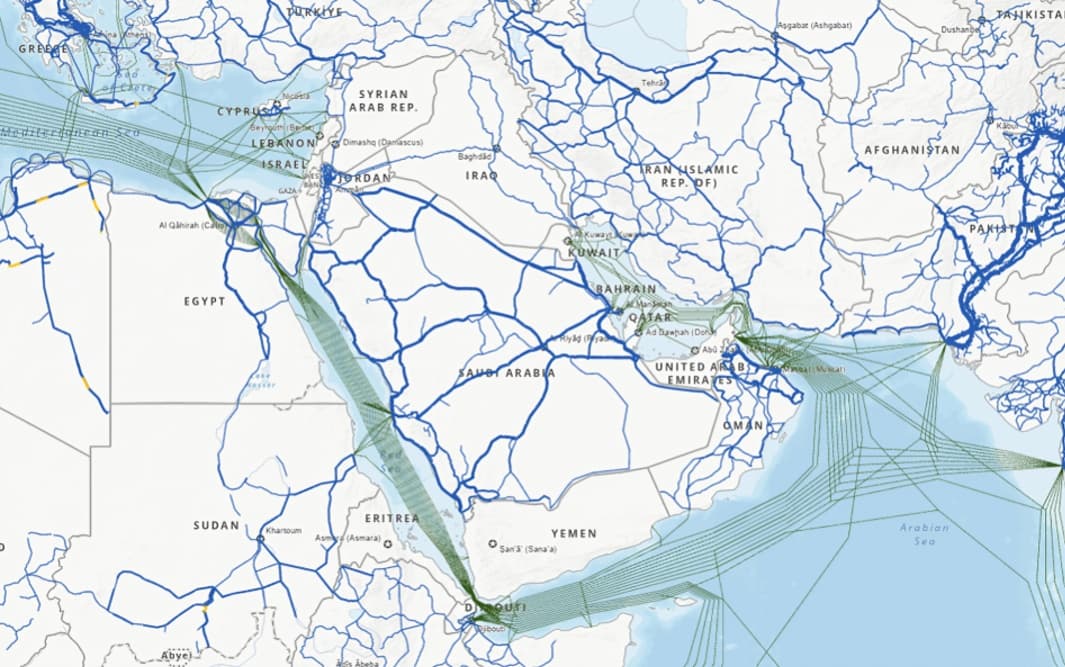
Iran has also broadened its retaliatory actions beyond direct engagements with Israeli forces. Its military operations and allied militia activities have affected energy infrastructure and assets across the Persian Gulf region, including attacks on fuel storage and gas facilities in neighbouring states. These wider retaliatory waves have contributed to tensions in the Gulf, affecting shipping routes and prompting strategic responses from regional powers.
The conflict’s impact is visible in economic and energy sectors as well. Disruptions to shipping lanes, particularly in the Strait of Hormuz—through which a significant portion of the world’s oil supply passes—have contributed to volatility in global oil prices and raised concerns over potential supply chain challenges. Efforts to secure the waterway and maintain energy flows continue to feature in diplomatic and security discussions.
International efforts at diplomacy have made mixed progress. Reports suggest that indirect talks between the United States and Iran are underway, with some indications that a mediated dialogue could take place in Pakistan, although Tehran has denied directly negotiating on current peace proposals.
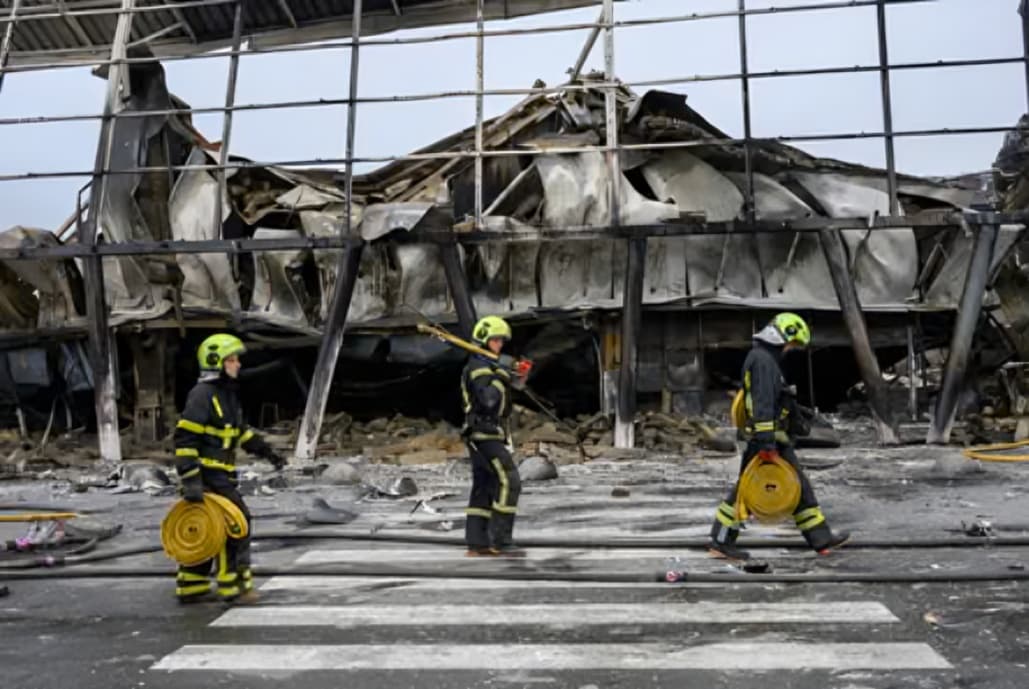
Beyond military and economic effects, there are mounting humanitarian concerns. Civilian infrastructure and populations in affected areas have faced disruptions, with emergency services responding to missile alerts and damage incidents in both Israel and across the Gulf. Global organisations continue to call for restraint and a return to diplomatic engagement to prevent further escalation and loss of life.
As the war persists, analysts emphasise that both military strategy and diplomatic negotiations will determine whether the conflict escalates further or moves toward a negotiated pause. The recent strike on Iran’s missile and sea mine facility signals the continuation of targeted campaigns aimed at limiting Tehran’s offensive capabilities, even as broader efforts toward conflict resolution continue.