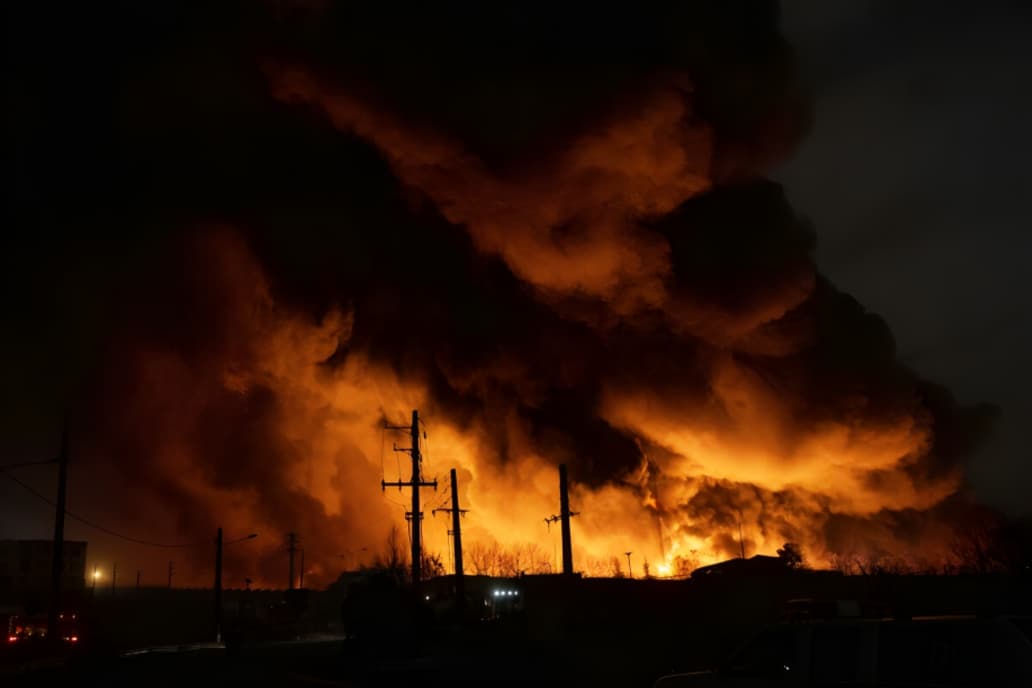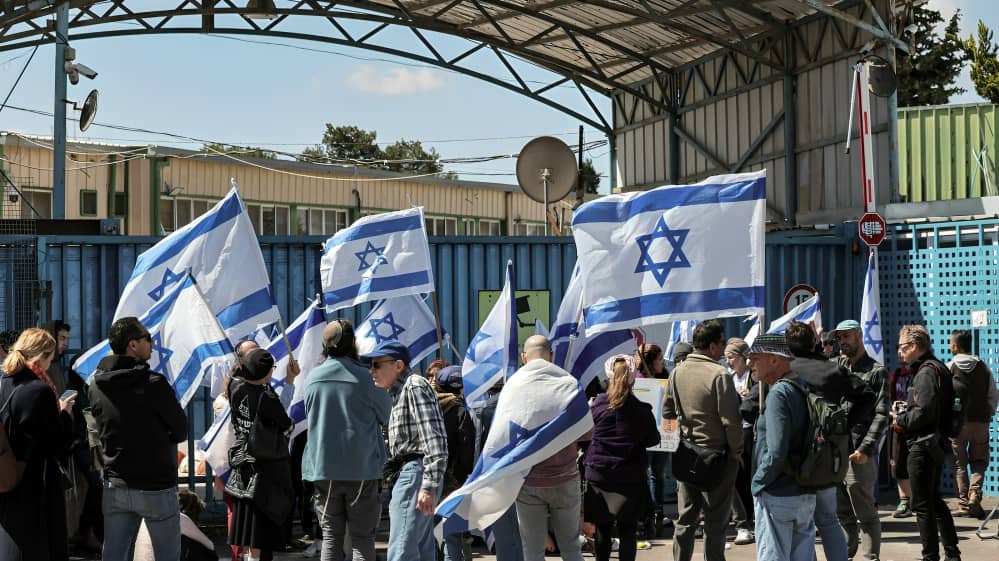
Israeli forces demolished multiple buildings within a United Nations Palestinian refugee agency (UNRWA) compound in East Jerusalem on Tuesday, marking a significant escalation in tensions over the site. Bulldozers entered the compound around 7 a.m., supported by Israeli security personnel, and evicted security staff before commencing demolition operations. The buildings targeted included large structures previously used to store humanitarian aid for Palestinian refugees, according to UNRWA officials.
UNRWA spokesperson Jonathan Fowler described the incident as an “unprecedented attack,” asserting that it violated international law and UN privileges. The agency emphasized that the premises had previously been recognized as under UN protection, allowing it to operate without interference in providing humanitarian services. The demolition has raised widespread concern among international observers about the potential disruption to aid delivery for thousands of Palestinian refugees in East Jerusalem and surrounding areas.
Israeli authorities defended the demolition, arguing that the compound does not have legal immunity and claiming that property taxes for the site had not been paid. Officials said the action was carried out according to local laws governing property rights, and stressed that the buildings were not currently used for residential purposes. Nevertheless, UNRWA maintains that the site remains under UN jurisdiction, as part of its longstanding operations in the region to provide education, healthcare, and other essential services for Palestinian refugees.
The incident comes amid broader tensions in East Jerusalem, where disputes over land, property, and jurisdiction have frequently led to confrontations between Israeli authorities and Palestinian residents. International organizations have previously urged restraint, emphasizing the need to uphold humanitarian operations and respect international agreements concerning UN facilities. UNRWA has now called on the international community to intervene to ensure that the rights and protections of UN facilities are maintained and that affected humanitarian services are restored promptly.
Humanitarian experts warn that the demolition could disrupt critical aid distribution, especially for families dependent on UNRWA’s food and medical support programs. The destruction of storage facilities for humanitarian supplies may hinder relief operations, particularly during winter months when demand for basic assistance typically increases. UNRWA has committed to assessing the damage and seeking alternative solutions to continue its operations, while also pressing for international accountability.
This event highlights ongoing challenges faced by international agencies operating in East Jerusalem. While Israel frames the demolition as a legal matter related to taxation and property rights, the UN and other observers argue that such actions undermine protections guaranteed under international law for UN facilities and personnel. The incident is likely to spark debates among global policymakers regarding the balance between local authority enforcement and the safeguarding of humanitarian missions in conflict-prone areas.
In conclusion, the demolition of UNRWA buildings in East Jerusalem represents a serious escalation that has drawn global attention. While Israeli authorities cite legal justifications, UNRWA and international observers highlight the potential humanitarian impact and violations of UN protections. The situation underscores the delicate intersection of local law, international obligations, and the need to protect essential services for vulnerable populations in the region.