
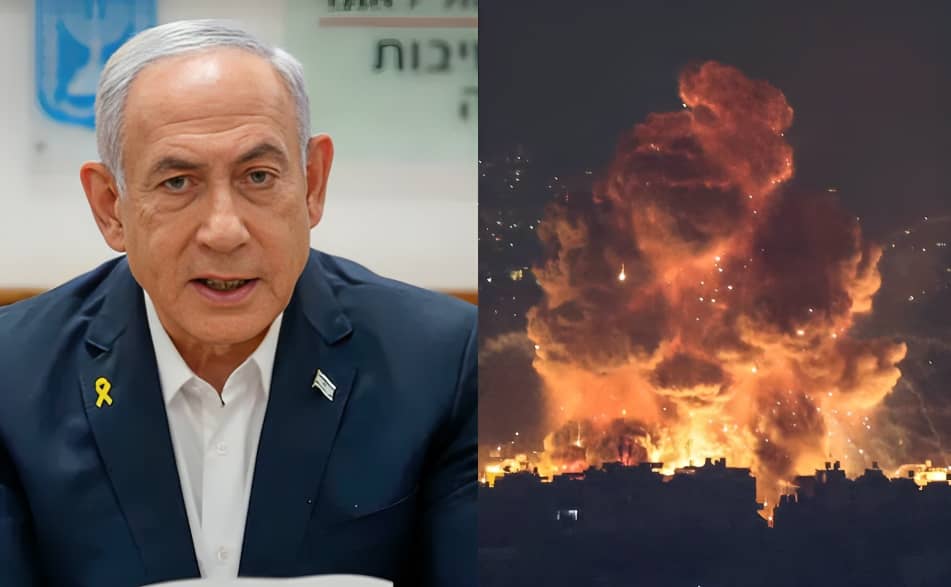
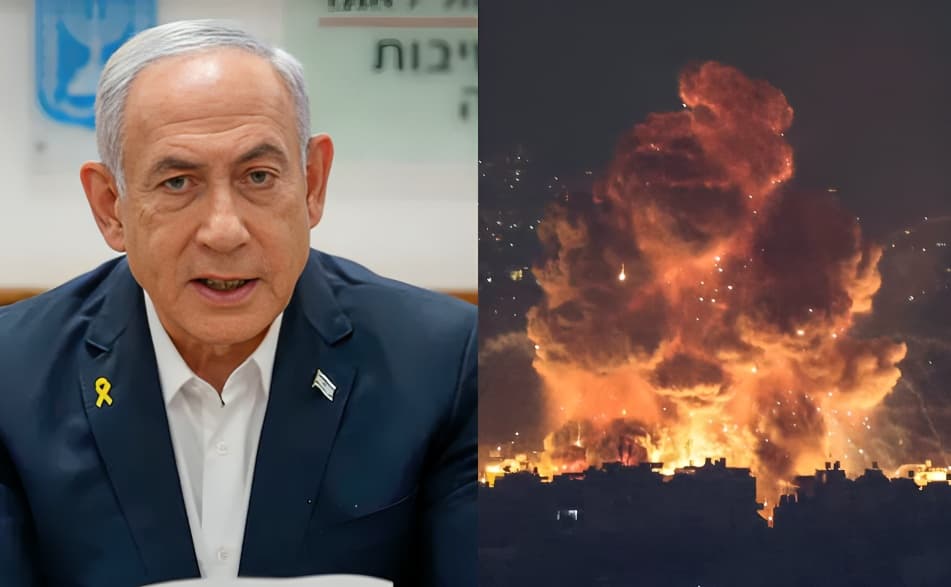
The ongoing Israel–Iran conflict has intensified as Iran claimed a missile attack on Israeli Prime Minister Benjamin Netanyahu’s office on Monday, marking a significant escalation in the Middle East crisis. The strike comes in direct retaliation for coordinated US and Israeli air operations over Iranian territory that occurred earlier in the weekend. These airstrikes reportedly targeted key strategic locations and led to the deaths of senior Iranian officials, including Supreme Leader Ali Khamenei, according to multiple regional reports.
Following the strikes, Iran launched missiles aimed at Israel and US military installations across Gulf nations, including Bahrain, Kuwait, and Qatar. The Iranian government stated that these operations were a measured response to the perceived aggression and emphasized that the targets were strategically chosen in line with military objectives. Reports from the region indicate that some missiles may have been intercepted, though details remain unclear.
Hezbollah’s involvement has added a new dimension to the conflict. The Lebanese militant group, historically aligned with Iranian interests, has been observed mobilizing in border areas with Israel. In response, Lebanon has officially banned Hezbollah’s military activities, signaling a move to prevent domestic escalation while containing regional spillovers. Analysts suggest that Hezbollah’s engagement could further complicate efforts for de-escalation and increase the risk of cross-border confrontations.
Regional security authorities in Israel and the Gulf countries have issued heightened alerts, particularly around key infrastructure, government offices, and airports. Emergency protocols have been activated, with citizens and residents advised to follow official safety guidance. The volatility has also impacted air travel and commercial operations, with some flights rerouted or suspended amid concerns over missile strikes and potential escalation.
International stakeholders, including the United Nations and the European Union, have called for immediate restraint and dialogue between the involved parties. Diplomatic channels are reportedly active, with several nations urging both sides to avoid further military escalation and engage in crisis management measures. Experts warn that continued retaliatory strikes could destabilize the region further, affecting global energy supplies, trade routes, and civilian safety.
The unfolding situation highlights the growing complexity of Middle Eastern geopolitics, as local, regional, and international actors respond to rapidly evolving threats. Analysts note that the introduction of advanced missile technology and involvement of non-state actors like Hezbollah increases the risk of prolonged conflict. The current crisis may also reshape diplomatic relations among Gulf nations, Israel, Iran, and Western powers, potentially prompting new security alliances or defensive postures.
As the conflict continues, monitoring agencies are emphasizing the importance of situational awareness and early-warning systems to mitigate civilian and economic impacts. Governments in the affected regions have stressed the need for coordinated security efforts, while the international community continues to advocate for peaceful resolutions to prevent further escalation.


