
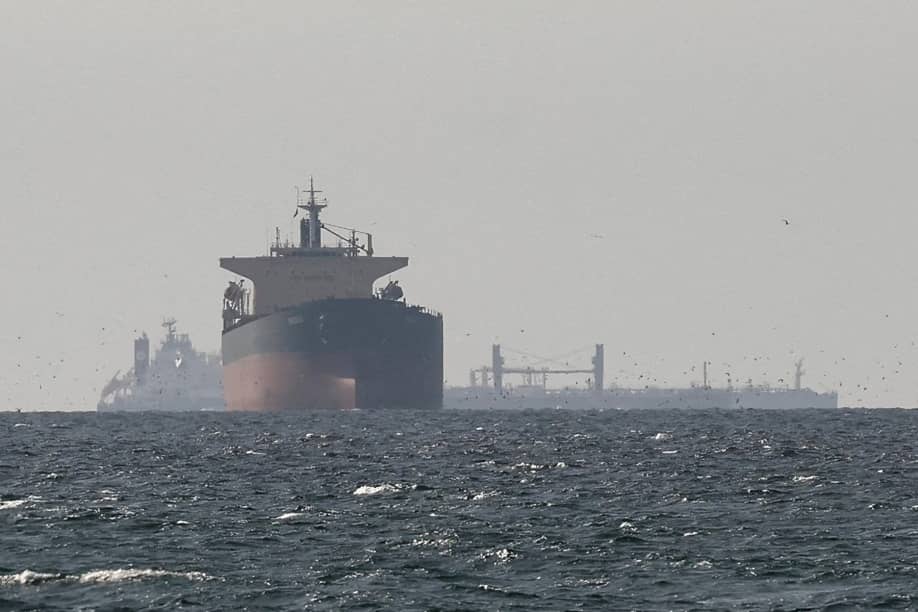
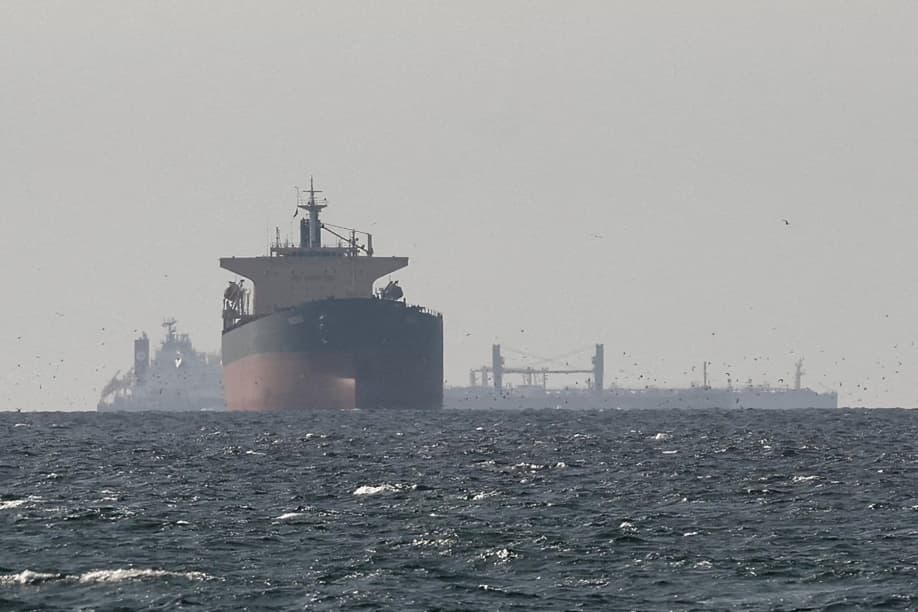
Japan and Australia have formally declined US President Donald Trump’s call for naval deployments to the Gulf region, signaling reluctance among key allies to engage militarily in the ongoing tensions surrounding the Strait of Hormuz. The strait, a narrow waterway connecting the Persian Gulf to the Gulf of Oman, is a critical passage for global oil shipments, with approximately 20 percent of the world’s crude oil transiting through it.
Trump had requested international cooperation, urging countries including Japan, Australia, China, and several European allies to contribute naval resources to ensure safe shipping and prevent blockades amid escalating conflicts involving Iran. The US has warned that disruption in the strait could destabilize energy markets and threaten global supply chains.
However, both Tokyo and Canberra have opted for a cautious stance. Japanese officials emphasized that Tokyo prefers diplomatic engagement and peaceful resolution rather than direct military involvement. Similarly, Australian authorities cited regional stability concerns and the risks of escalation, noting that deployment could exacerbate tensions and draw their forces into potential conflict.
Analysts interpret the refusal as a sign of broader hesitancy among US allies to join a military-led coalition in the Gulf. While the US has the capacity to project naval power, the effectiveness of securing shipping lanes depends heavily on multilateral cooperation. The lack of support from Japan and Australia could limit the coalition’s operational reach and complicate strategic planning.
The decision also reflects domestic considerations in both countries. Public opinion in Japan and Australia generally favors diplomacy over foreign military interventions, especially in volatile regions. Political leaders are mindful of balancing alliance commitments with national security priorities and domestic sentiments.
The Strait of Hormuz is a strategic chokepoint not only for oil but also for liquefied natural gas shipments. Disruptions could have significant economic repercussions globally, affecting oil prices, inflation, and energy-dependent industries. Experts warn that any escalation in military activity could trigger spikes in crude prices, impacting both regional and global markets.
China, meanwhile, has called for an immediate halt to military operations in the Gulf, emphasizing diplomacy and negotiations over armed intervention. European powers have also expressed preference for political solutions to avoid exacerbating the crisis. These responses highlight a growing divide between the US approach and the positions of other influential nations.
Despite Trump’s insistence on coalition-building, Japan and Australia’s decision underscores the complexities of international coordination in geopolitically sensitive areas. Their refusal demonstrates that major powers may prioritize diplomatic avenues and regional stability over direct military involvement, even when strategic energy routes are threatened.
As tensions continue to rise in the Gulf, countries reliant on oil imports are closely monitoring developments. The Strait of Hormuz remains a critical lifeline for energy markets, and the international community is carefully weighing the balance between military preparedness and diplomatic engagement to prevent further escalation.


