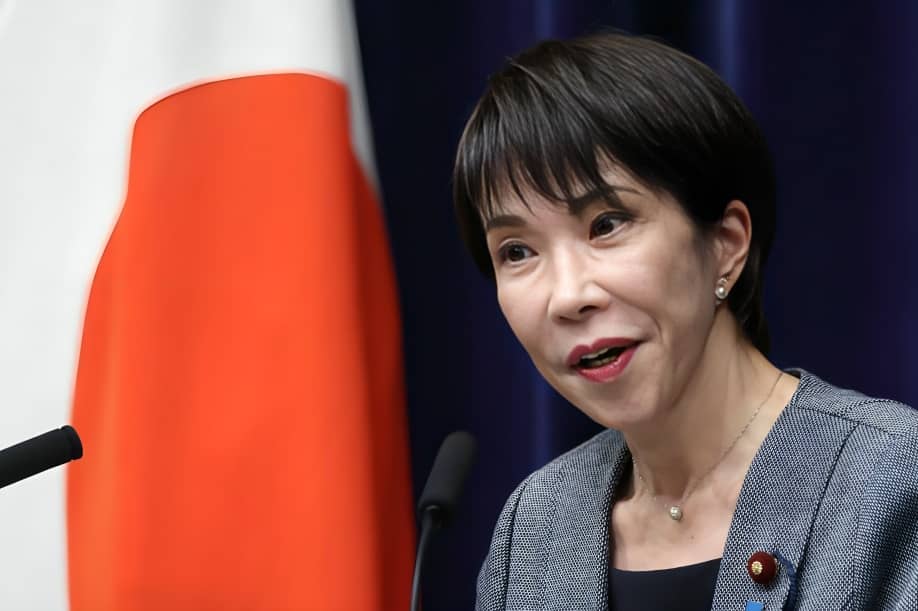
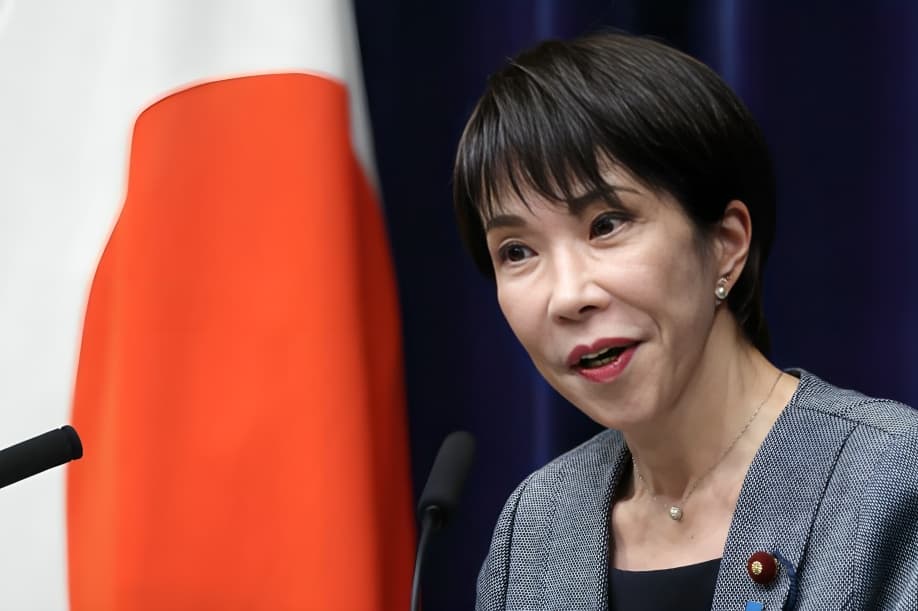
Japanese Prime Minister Sanae Takaichi has called snap elections by dissolving the House of Representatives, setting the stage for a high-stakes political battle that could determine the future of her leadership. The decision comes less than 18 months after Japan last held lower house elections and marks the first major electoral test since Takaichi assumed office as the country’s first woman prime minister on October 21.
According to Kyodo News, the dissolution took place at the beginning of the current parliamentary session, catching both opposition parties and sections of the ruling bloc off guard. By taking this step, Takaichi has effectively placed her continuation as prime minister in the hands of voters, stating that she intends to seek a renewed mandate to govern.
Political observers view the move as a calculated gamble. Takaichi’s Cabinet has been enjoying relatively strong approval ratings, and the prime minister appears confident that public support can be translated into electoral success. The snap election is also expected to serve as a referendum on her administration’s economic direction and political leadership style.
One of the central pillars of Takaichi’s campaign is her fiscal policy agenda, which she has described as “responsible yet aggressive.” The government has emphasized increased public spending to stimulate economic growth while maintaining long-term fiscal discipline. Supporters argue that this approach is necessary to address Japan’s prolonged economic challenges, including slow growth, an ageing population, and rising social welfare costs. Critics, however, have raised concerns about mounting public debt and the sustainability of such policies.
The election will also test the strength of Japan’s newly formed ruling coalition. Since taking office, Takaichi has worked to consolidate political support within her alliance, positioning it as a stable and decisive governing force. The snap polls will determine whether voters endorse this coalition framework or seek greater accountability through a stronger opposition presence in parliament.
Opposition parties have criticised the timing of the elections, accusing the prime minister of prioritising political advantage over policy continuity. They argue that Japan faces pressing domestic and international challenges that require stable governance rather than sudden electoral disruption. Nevertheless, Takaichi has defended her decision, stating that it is essential to secure clear public backing before advancing major policy initiatives.
If successful, the election would significantly strengthen Takaichi’s authority and allow her government to push ahead with economic reforms and legislative priorities. A poor showing, however, could weaken her position within the ruling party and potentially trigger leadership challenges or coalition instability.
As campaigning begins, the election is expected to focus on economic management, social welfare, national security, and Japan’s role on the global stage. For Prime Minister Sanae Takaichi, the snap election represents an all-or-nothing moment, with voters set to decide whether her historic leadership continues or faces an early setback.