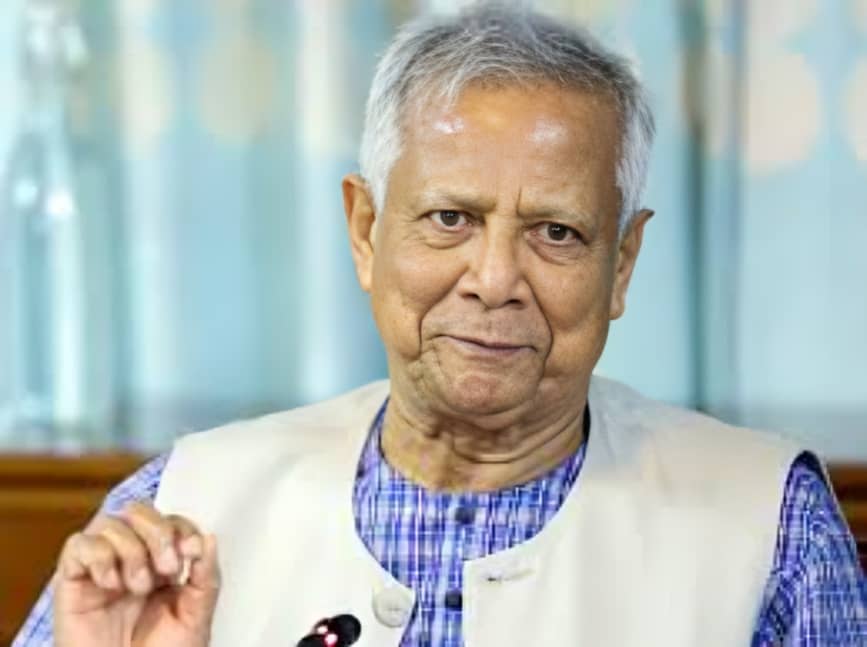
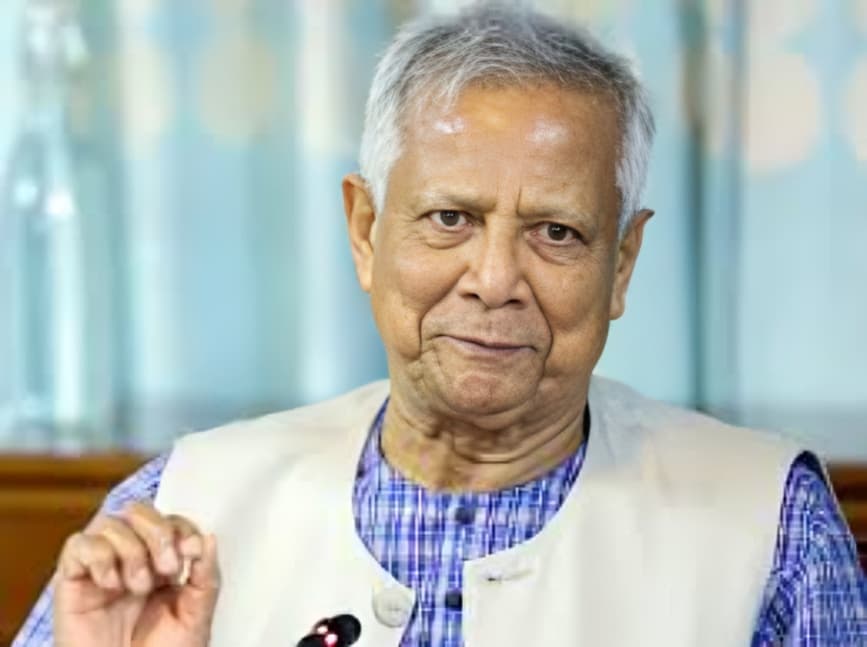
Nobel Peace Prize laureate Muhammad Yunus mentioned the Northeast region during his farewell speech, drawing attention to regional development and cooperation as he prepared to step away from his present responsibilities. His comments have generated discussion in political and academic circles, particularly across South Asia.
During his address, Yunus spoke about the importance of inclusive growth and balanced development across regions that often remain on the margins of national progress. Referring to the Northeast, he stressed the need for greater connectivity, economic opportunity and youth engagement. While he did not go into detailed policy proposals, he highlighted the potential of border regions to become hubs of trade, education and cultural exchange.
Observers note that references to the Northeast carry significance in the broader South Asian context. In India, the northeastern states play a strategic role due to their geographical position and cultural diversity. Yunus underlined that cooperation and dialogue are essential to ensure stability and prosperity in such areas. He reiterated that development must be people centric and sustainable, aligning with the values he has promoted throughout his career.
Yunus, known globally for pioneering microfinance initiatives, has long advocated for poverty alleviation through grassroots entrepreneurship. His farewell speech revisited these themes, emphasizing the empowerment of women, small scale entrepreneurs and rural communities. He said that economic inclusion remains the foundation for lasting peace and social harmony.
Political analysts suggest that mentioning the Northeast in his final remarks may reflect his broader vision of regional integration. Cross border collaboration in infrastructure, trade and education can create long term benefits, especially in areas that have historically faced economic challenges. His remarks come at a time when South Asian nations are seeking stronger economic partnerships and improved regional connectivity.
Throughout his career, Yunus has focused on community driven development models. By referring to the Northeast, he appeared to reinforce his belief that progress must extend beyond major urban centers. Balanced regional growth, according to him, is vital for reducing inequality and strengthening democratic institutions.
His speech also touched on youth leadership and innovation. He encouraged young people in emerging regions to pursue entrepreneurship and social enterprise as tools for transformation. Education, technology and local initiatives, he said, can unlock new opportunities for communities that have long been underrepresented in national economic narratives.
As he concludes his current role, Yunus leaves behind a legacy tied closely to social business and financial inclusion. His mention of the Northeast has sparked conversation about how regional cooperation and inclusive policies can shape the next phase of development in South Asia.
While the long term impact of his remarks remains to be seen, the speech has reaffirmed his commitment to equitable growth and cross border understanding. Analysts believe his words will continue to resonate in discussions about regional stability, economic opportunity and sustainable development.