MV Odyssey Suspends Global Voyage in Cambodia as Fuel Costs Surge
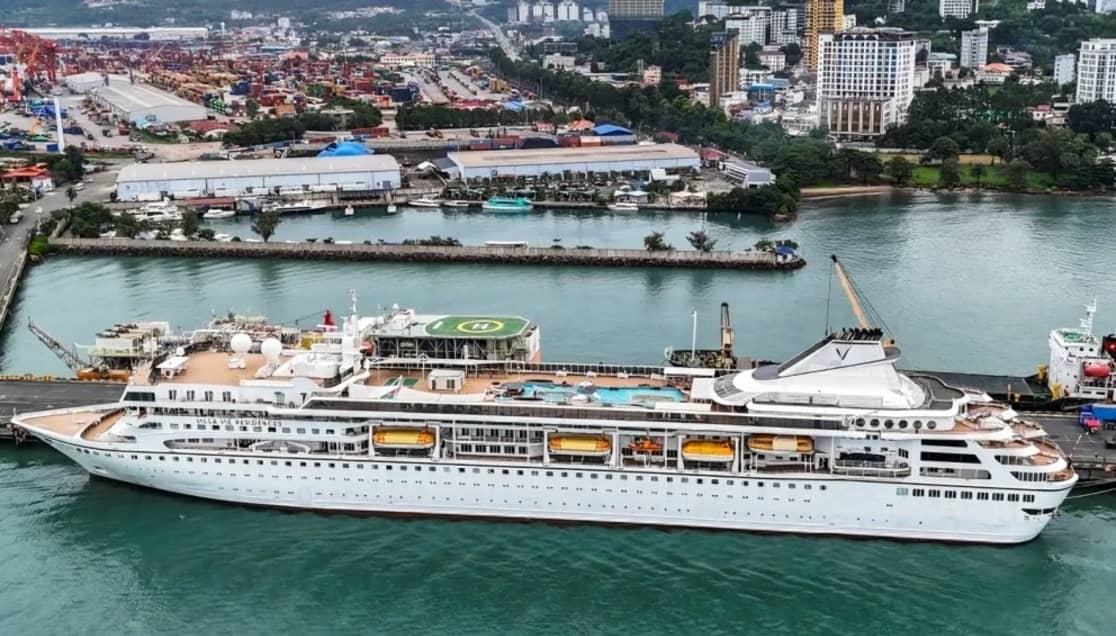
The MV Odyssey, a US operated residential cruise ship that was travelling around the world, has suspended its multiyear voyage in Cambodia after a sharp increase in fuel costs placed significant financial pressure on its operator. The decision forced hundreds of passengers to disembark at the Cambodian port of Sihanoukville, leaving many to arrange their next steps while the future of the voyage remained uncertain.
The ship is operated by Villa Vie Residences, a Florida based company that marketed the voyage as an opportunity for passengers to live aboard a cruise ship while visiting destinations across the world. The journey began in Belfast, Northern Ireland, in October 2024 and was planned to cover all seven continents over several years.
The vessel arrived at Sihanoukville, a port city on the Gulf of Thailand, in Cambodia. Instead of continuing its planned itinerary, the ship suspended operations as the company assessed its financial position and possible restructuring options.
According to Cambodian officials, the MV Odyssey was carrying 203 passengers and 156 crew members when the suspension was announced. The vessel has a capacity of approximately 650 passengers. Most of those aboard were reported to be American citizens, although the passenger group included people of several nationalities.
Rising fuel expenses put pressure on operations
Villa Vie Residences attributed the suspension to a substantial increase in fuel costs. The company said monthly fuel expenses per cabin, which had historically averaged around 1,800 dollars, had risen to an estimated 6,000 to 8,000 dollars in parts of Asia.
The increase created financial difficulties for a business model built around long term residential travel. The operator said it had attempted to reduce fuel consumption by slowing the ship's itinerary and spending more time in ports. However, these measures were not sufficient to offset the additional expenses.
The company also indicated that passing the full increase in fuel costs on to passengers was not considered a realistic solution. It said it was examining restructuring and recapitalisation options over the following 60 days while working on temporary arrangements for passengers, crew members and employees. The company had not confirmed a definite date for the resumption of the global voyage.
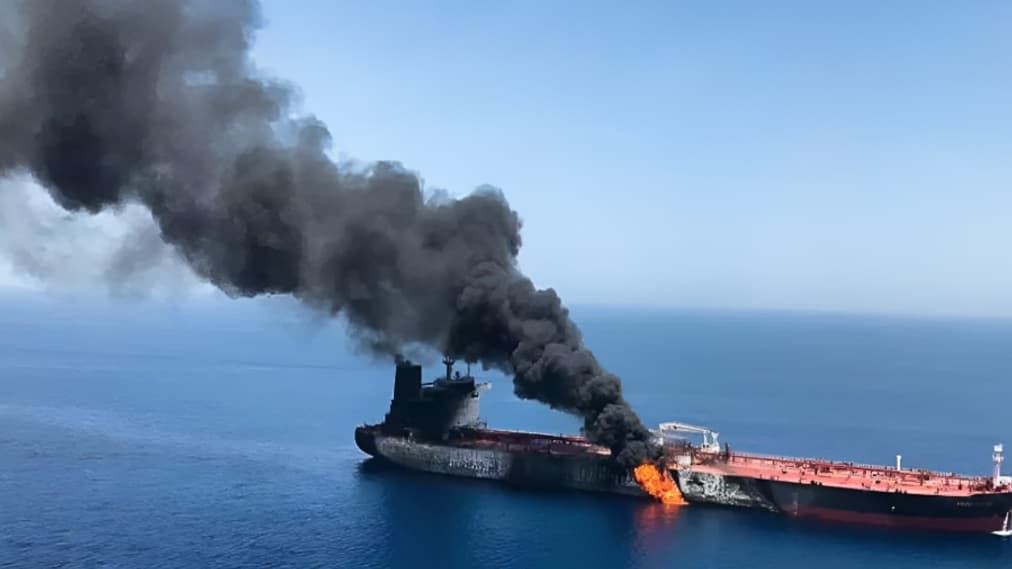
The suspension came amid wider disruptions to energy supplies and rising fuel prices associated with the conflict involving Iran. Reduced shipping traffic through the Strait of Hormuz has affected the movement of petroleum products and contributed to concerns about fuel availability and costs in several markets.
Higher fuel expenses can have a significant impact on cruise operators because ships consume large quantities of fuel during long journeys. Companies operating extended itineraries must also account for port charges, staffing, maintenance, food supplies, insurance and other operational expenses. When these costs rise sharply, operators may struggle to maintain previously announced schedules without making changes to their services.
Passengers face uncertainty after disembarkation
For many passengers, the suspension disrupted plans that involved living at sea for an extended period. Unlike travellers on a conventional holiday cruise, some MV Odyssey residents had purchased long term accommodation arrangements aboard the vessel and expected to continue travelling for years.
The company had promoted the ship as a floating home that combined residential living with international travel. The price of some lifetime vessel suites reportedly began at around 230,000 dollars, depending on the accommodation arrangement.
Passengers were asked to leave the ship after the suspension was announced. Some reportedly said they received only a short period of notice and had to make arrangements for hotels, onward travel and other immediate needs.
The sudden change created logistical challenges for people who had planned their lives around the voyage. Passengers needed to consider accommodation, transport, luggage, travel documents and the cost of continuing their journeys independently.
Some residents expressed disappointment about the interruption and uncertainty surrounding the ship's future. Others said they still valued the experience of travelling around the world and hoped that a new financial arrangement or operator might allow the voyage to resume.
Passenger accounts also raised concerns about issues they said had affected the experience before the suspension, including itinerary changes and service difficulties. These comments reflect individual experiences and should be distinguished from the company's stated explanation that rising fuel expenses had made the existing operating model financially unsustainable.
Company considers restructuring options
Villa Vie Residences said it was evaluating financial restructuring and recapitalisation alternatives. These measures could involve seeking additional investment, revising the business model or exploring other arrangements that might allow the vessel to operate in the future.
However, the announcement did not guarantee that the cruise would resume. The ship's departure schedule and the longer term future of the residential voyage remained uncertain at the time of the report.
A successful restructuring would need to address the higher cost of operating the vessel while maintaining a service that passengers can afford. It would also require the company to consider the financial expectations of residents, the needs of crew members and the practical requirements of continuing an international itinerary.
For passengers, the immediate priority was securing accommodation and arranging onward travel. For the operator, the challenge was to manage the consequences of the suspension while determining whether the business could continue under revised financial conditions.
A setback for long term residential cruising
The incident highlights the financial risks associated with long term residential cruising, a model that offers people the opportunity to combine accommodation and travel aboard a ship for extended periods.
Such voyages can appeal to retirees, remote workers and travellers who want to visit multiple destinations without repeatedly changing hotels or arranging separate transport. However, the model depends on the operator being able to maintain reliable services over a long period.
Fuel prices are one of several factors that can affect the viability of these ventures. Extended international voyages also depend on reliable port access, vessel maintenance, crew availability, insurance and the ability to manage changing global conditions.
The MV Odyssey's suspension demonstrates how a sudden rise in operating expenses can disrupt a travel arrangement that passengers may have expected to continue for years. It also highlights the importance of contingency planning for operators and clear communication with residents when significant changes occur.
For now, the vessel's future remains dependent on the company's financial decisions and any arrangements it can secure. Passengers who had expected to continue their global journey must consider alternative plans while awaiting further information.
The suspension of the MV Odyssey's voyage is therefore not only a setback for its passengers but also a reminder of the economic pressures facing the cruise industry. Whether the ship resumes its journey will depend on the operator's ability to address the rising costs, secure adequate funding and establish a financially sustainable plan.