The death toll from the devastating floods that struck the Himalayan region along the Nepal China border has risen sharply, with Nepal reporting 579 deaths and Chinese authorities reporting five deaths in Tibet.
The disaster has left thousands of people missing and caused widespread destruction across remote mountain areas. Rescue teams are continuing search operations, although difficult terrain, damaged roads and unstable weather are making access to several affected locations extremely challenging.
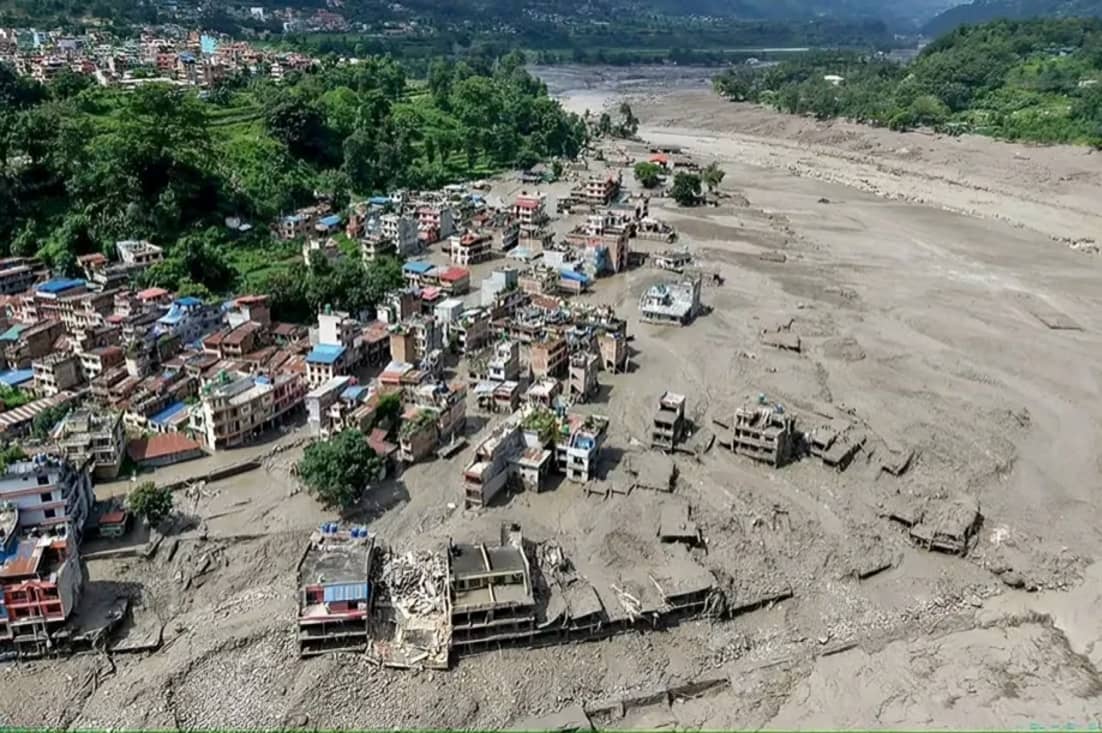
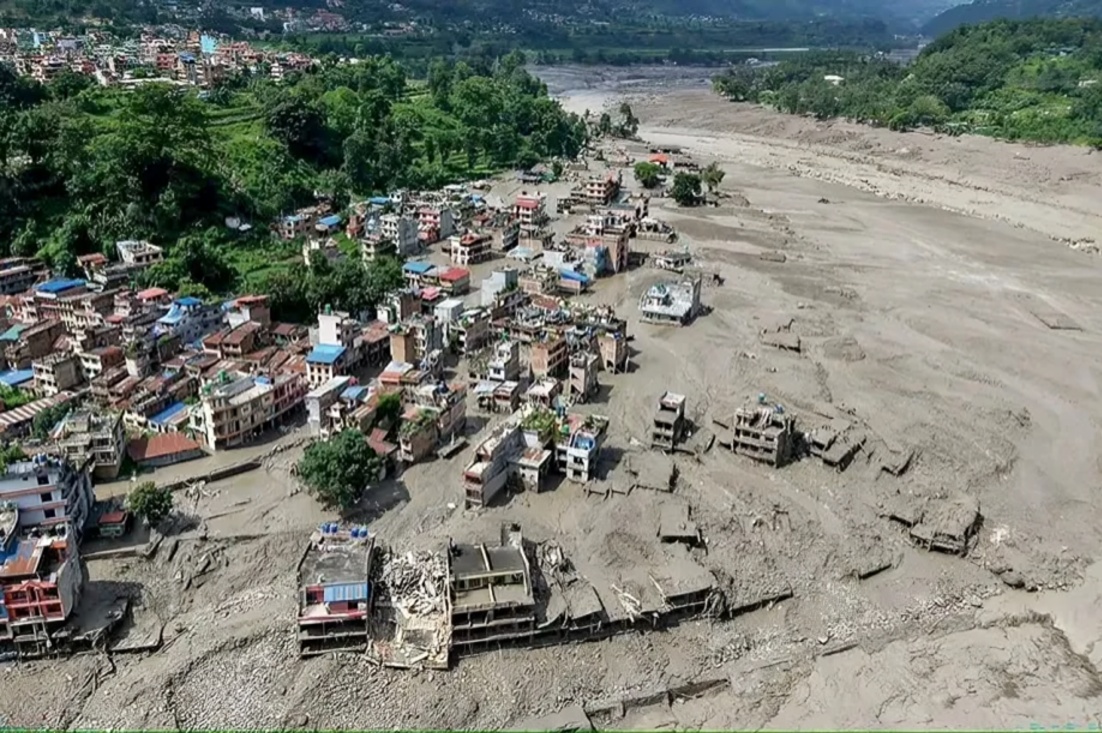
The floods were triggered by a major natural disaster in the Himalayan region and caused destructive torrents of water, mud, rocks and debris to move through river valleys on both sides of the border. The Trishuli River area in Nepal was among the worst affected regions.
Nepal’s National Disaster Risk Reduction and Management Authority has reported 579 deaths, while authorities have also recorded a large number of missing people. Recent reports put the number missing in Nepal at more than 1,900. On the Tibetan side, Chinese authorities have reported five deaths and hundreds of people missing.
The difference in reported figures between Nepal and Tibet has attracted international attention. However, the figures should be understood in the context of the different areas affected, different reporting systems and the limited availability of independent information from some parts of Tibet.
The Chinese government controls access to Tibet, and foreign journalists and independent observers face significant restrictions in the region. These restrictions can make it difficult for outside organisations to independently verify information during major emergencies.
The lack of independent access does not by itself prove that authorities are deliberately suppressing the death toll. However, limited access can make it harder for international media organisations and humanitarian groups to establish an independently verified picture of casualties and damage.
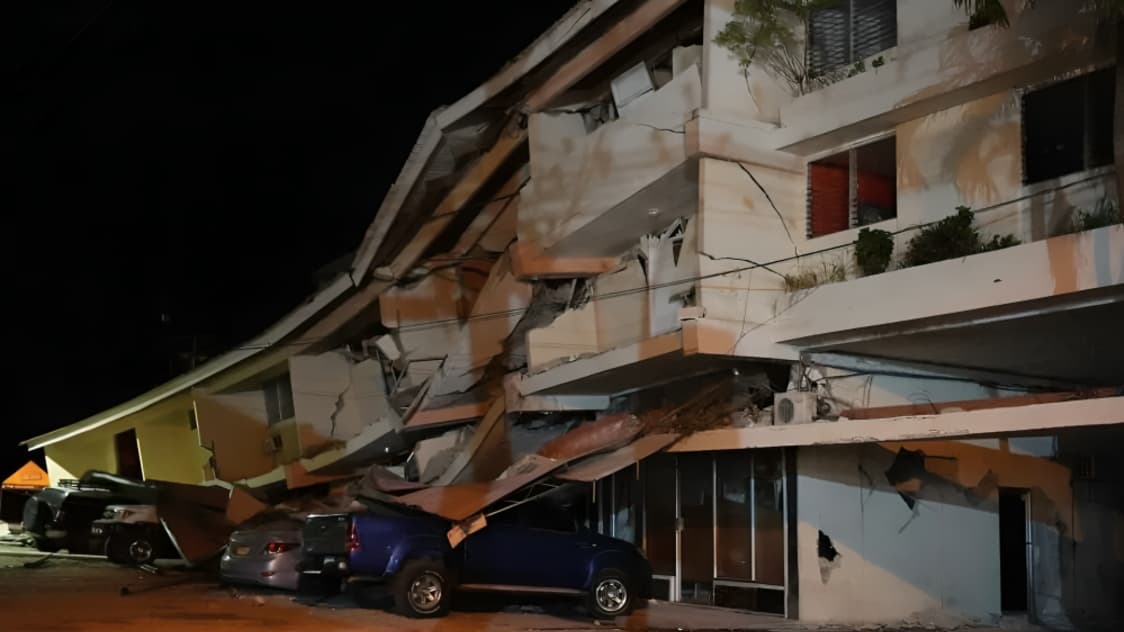
Reports from the affected region indicate that the disaster has caused extensive damage to infrastructure. Roads and bridges have been destroyed, while several hydropower facilities and other projects have been affected.
The border crossing at Gyirong, an important connection between Nepal and China, was also severely damaged. A Chinese rescue team that reached the area reportedly found extensive destruction, with buildings and infrastructure reduced to ruins.
The impact has been particularly serious because the affected region contains important tourist and pilgrimage routes. A large number of people were travelling in the Himalayan region when the disaster occurred, including foreign tourists and pilgrims heading towards Mount Kailash and other religious destinations.
Among those reported missing are citizens of several countries. Indian nationals are also among the missing, increasing concern in India and prompting authorities to monitor the situation closely.
The International Federation of Red Cross and Red Crescent Societies has estimated that at least 93,000 people have been severely affected by the disaster and require urgent assistance. The organisation has warned that the humanitarian situation could remain serious because many communities have lost access to roads, communication networks and essential services.
Rescue operations have been complicated by continuing risks in the mountain region. Heavy rainfall and unstable terrain have created the possibility of further landslides and flooding.
A temporary lake formed by debris and water accumulation also raised concerns about another sudden release of water. Rescue operations were temporarily suspended because of the danger, although authorities later resumed operations after the immediate threat was considered manageable.
The situation highlights the particular dangers faced by communities living in the rapidly changing Himalayan environment. Glacial and landslide related hazards can cause sudden changes in river levels and create destructive floods with little warning.
Scientists and disaster management officials have increasingly warned that climate change is contributing to changing patterns of glacier melt and extreme weather across the Himalayan region. However, the precise causes of this particular disaster are still being assessed.
The information gap on the Tibetan side is an additional challenge for disaster response. Accurate and timely information is essential for identifying missing people, coordinating rescue operations and warning downstream communities about potential hazards.
Nepal and China have both deployed security forces and rescue teams to affected areas. Helicopters have been used to reach isolated communities, while ground teams have been working through damaged roads and difficult mountain terrain.
The Nepalese authorities have reported that thousands of people have already been rescued. Rescue teams have also focused on hydropower projects where workers were trapped following the floods.
The disaster has created a major humanitarian challenge for Nepal, with thousands of families affected and significant infrastructure damage. International organisations have called for urgent assistance, particularly food, clean water, medical supplies and shelter.
China has also deployed rescue personnel to the Tibetan side of the border. Chinese authorities have reported evacuating stranded tourists and residents from affected areas.
The contrasting levels of publicly available information from Nepal and Tibet have fuelled questions about the transparency of disaster reporting. Nepal has a comparatively open media environment, allowing journalists and independent organisations greater access to affected locations. Tibet, by contrast, is subject to much tighter controls on foreign media access and information distribution.
As a result, casualty figures from the Tibetan side may be more difficult for outside organisations to independently verify. This does not necessarily mean that the official figure is inaccurate, but it does mean that the full scale of the disaster may take longer to establish.
The situation is also complicated by the fact that many remote areas remain inaccessible. Some roads have been destroyed, communication systems have been disrupted and rescue teams have had to travel through forests, steep slopes and debris fields.
In Nepal, authorities have continued to update the number of dead and missing as rescue teams reach previously inaccessible locations. The figures are therefore expected to remain subject to change.
The same challenge applies to the Tibetan side, where rescue operations and damage assessments are continuing.
The disaster has also raised concerns about regional cooperation. Nepal and China share a mountainous border with several important rivers and transportation routes crossing the region. Early warnings and the rapid exchange of information about water levels, landslides and glacial lake conditions can be critical for communities downstream.
The latest floods demonstrate the importance of cross-border disaster preparedness in the Himalayas. A natural event occurring in the high mountains can rapidly affect communities far downstream, making communication between neighbouring countries essential.
India is also closely monitoring the situation because rivers originating in the Himalayan region flow into Indian territory. Authorities have recovered bodies from rivers downstream in India that are believed to be connected to the Nepal disaster.
For families of missing people, the immediate priority remains locating survivors and identifying those who have died. Rescue teams are continuing to search hydropower facilities, riverbanks and areas buried under mud and debris.
The final death toll is likely to remain uncertain until search operations are completed and authorities have accounted for missing people.
At present, Nepal has reported 579 deaths, while China has reported five deaths in Tibet in the latest figures cited by several international reports. The large number of missing people means the overall toll could change substantially as rescue and recovery operations continue.
The disaster has become one of the most serious recent emergencies in the Himalayan region. It has affected communities, tourists, pilgrims, hydropower workers and transport networks across both sides of the Nepal China border.
While questions remain about the availability of information from Tibet, there is currently insufficient independently verified evidence to conclude that China is deliberately hiding a substantially higher death toll.
What is clear is that limited access to parts of Tibet makes independent assessment more difficult. Greater transparency, timely information sharing and continued cross-border cooperation could help rescue teams identify missing people and respond more effectively to future disasters.
The immediate focus remains on rescue operations, humanitarian assistance and monitoring the risk of additional floods and landslides. Authorities on both sides of the border are expected to continue updating casualty figures as search and recovery operations progress.