Heavy rain has caused the Trishuli River level to rise, prompting authorities to temporarily suspend rescue operations.
More than 4,400 people have been rescued in Nepal following the devastating floods.
Authorities are evacuating vulnerable residents and monitoring the risk of further flooding in affected areas.
500 Plus Word Long Content
Rescue operations in Nepal’s flood affected Trishuli region have been temporarily suspended after heavy rainfall caused the river level to rise and created difficult conditions for rescue teams.
The latest development has raised concerns about the possibility of further flooding in areas already affected by the disaster. Authorities are monitoring river levels and have been evacuating people from vulnerable locations as a precaution.
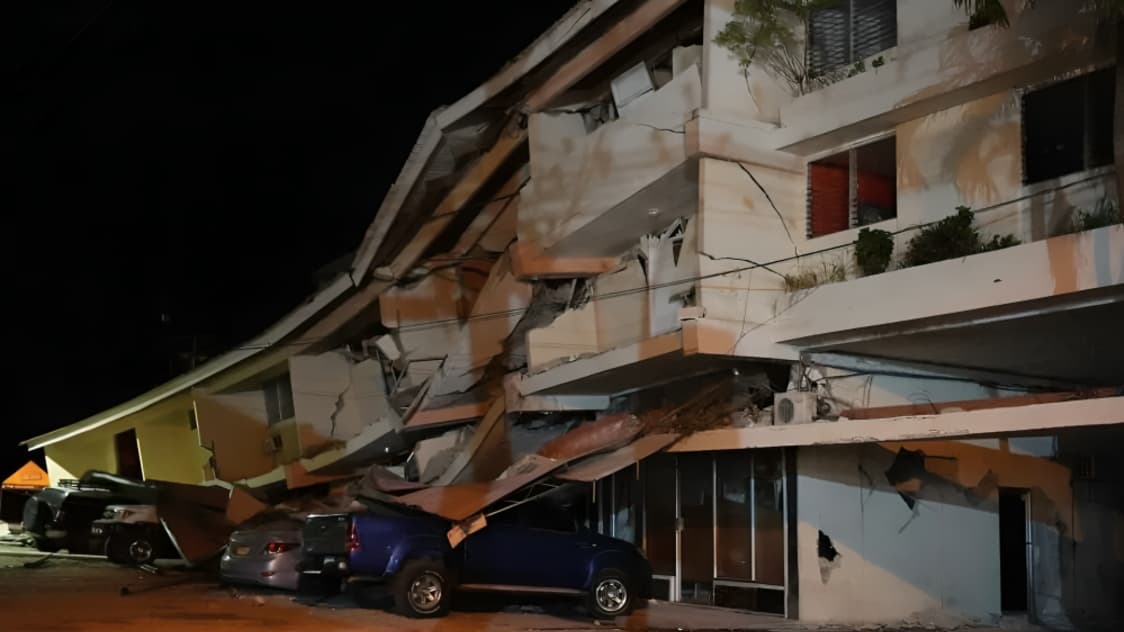
The flooding has caused extensive damage across several parts of Nepal, particularly along the Bhotekoshi and Trishuli river corridors. The disaster has destroyed roads, bridges, buildings and other critical infrastructure, leaving several communities isolated.
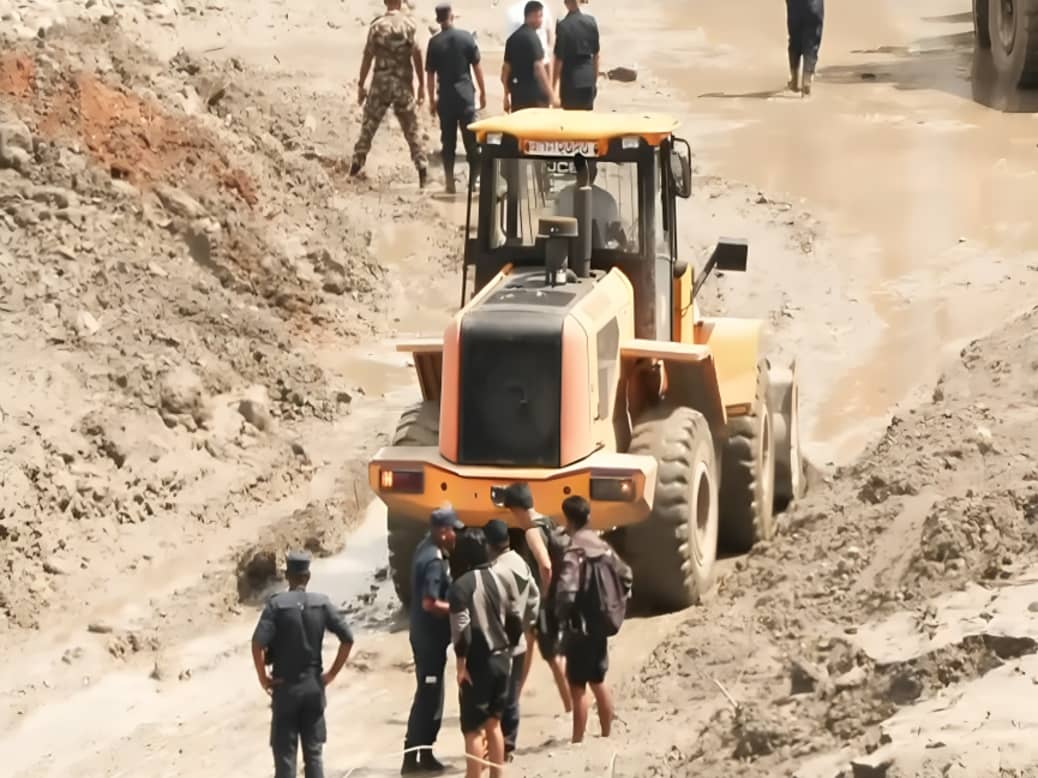
According to the latest reports, more than 4,400 people have been rescued in Nepal. Government security forces have been heavily involved in the rescue operation, with personnel from the Nepal Army, Nepal Police and Armed Police Force deployed across affected areas. One official update cited 4,451 people rescued so far, including people evacuated by helicopter and workers rescued from hydropower project tunnels.
The scale of the disaster has placed significant pressure on rescue teams. Difficult mountain terrain, damaged roads, continuing rainfall and unstable river conditions have made access to some locations extremely challenging.
Helicopters have played an important role in reaching isolated communities and transporting people from areas that cannot be accessed by road. However, worsening weather conditions have affected helicopter operations, contributing to the temporary suspension of some rescue activities.
The Trishuli River has become one of the major areas of concern because of the rapid rise in water levels following heavy rainfall. Earlier during the disaster, the river rose dramatically within a short period, leaving residents with little time to move to safer locations.
Authorities have therefore been advising residents in vulnerable areas to move away from riverbanks and other locations at risk of flooding. The latest evacuation measures are aimed at reducing the possibility of additional casualties if water levels rise further.
The current disaster began with a catastrophic flash flood in the Nepal Tibet border region. The flooding spread through mountain river systems and affected areas downstream, causing widespread destruction.
The Bhotekoshi and Trishuli river corridors have been particularly badly affected. Entire sections of roads and bridges have been damaged, making transportation and rescue operations difficult. The destruction of infrastructure has also complicated the movement of relief supplies.
The disaster has also affected hydropower facilities. Several workers became trapped in tunnels, while rescue teams have been working to reach people cut off by floodwaters and debris. Authorities have reported that 191 workers were among those rescued from hydropower tunnels.
The humanitarian situation remains serious. Recent reports have put the number of people rescued at more than 4,400, while thousands of others remain affected by the disaster. The number of people reported missing has also remained high.
Reuters reported that Nepal temporarily suspended search and rescue operations because of bad weather following the devastating flooding. The report said that the disaster had caused widespread destruction to infrastructure, including buildings, bridges and power facilities.
The authorities are also monitoring unstable water bodies and areas where additional flooding could occur. New water bodies have reportedly formed in some locations because of landslides and debris, increasing concerns about sudden releases of water.
The possibility of renewed flooding remains a major challenge for rescuers. Even after the initial floodwaters recede, heavy rain can quickly raise river levels in mountainous regions. This can create dangerous conditions for people living near rivers and for rescue personnel working downstream.
The suspension of rescue operations is therefore being treated as a temporary safety measure rather than an end to the relief effort. Authorities are expected to resume operations when weather and river conditions become safer.
More than 15,000 security personnel have reportedly been involved in the wider rescue and recovery response. Their responsibilities include searching for missing people, evacuating residents, transporting injured survivors and distributing emergency assistance.
The disaster has also drawn international attention because of the large number of people affected and the extensive infrastructure damage. India has provided relief supplies and support to Nepal, while other countries and international organisations have also offered assistance.
The Nepalese government has said that it needs specialised technical assistance for certain rescue and recovery operations. These include work involving tunnels, communications systems and forensic identification of victims.
The situation remains particularly difficult in remote mountain areas where roads have been destroyed or blocked by landslides. Rescue teams are using helicopters, drones and ground teams to identify stranded people and assess damage.
For families of missing people, the continuing search remains the most urgent priority. Authorities are working to identify recovered bodies and provide information to relatives while rescue teams continue searching affected areas.
The flooding has also disrupted transportation and cross border movement. Several important roads and bridges have been damaged, affecting access between communities and making the delivery of relief materials more difficult.
The Trishuli River is one of Nepal’s major river systems and passes through areas that are important for transportation, tourism and hydropower generation. Damage along the river corridor is therefore expected to have consequences beyond the immediate flood emergency.
The latest rise in the river level following heavy rain has increased the pressure on authorities to keep vulnerable residents away from dangerous areas. Evacuation efforts are continuing in locations where officials believe people may be at risk.
Although the latest conditions have raised fears of another major flood, authorities have not indicated that a disaster on the same scale as the initial flooding is certain. The immediate concern is the possibility of sudden river rises and localised flooding caused by continuing rainfall.
Rescue teams will continue to assess conditions before restarting operations in areas where the weather remains unsafe. The priority is to prevent additional casualties among both residents and emergency workers.
The Nepal flood disaster has already resulted in a large loss of life and widespread destruction. Recent reports have placed the death toll in the hundreds, with thousands of people still reported missing or affected.
The latest situation in Trishuli underlines the continuing danger faced by survivors and rescue workers. Heavy rain, rising rivers and damaged infrastructure are making an already difficult rescue operation even more challenging.
For now, authorities are focusing on evacuation, river monitoring, emergency relief and the safety of rescue personnel. Search and rescue operations are expected to resume when weather conditions improve.
The immediate message from authorities is for people in vulnerable areas to remain alert and follow evacuation instructions. Residents living close to rivers and unstable slopes face particular risks as heavy rainfall continues.
The Nepal government and security agencies are expected to continue monitoring the Trishuli and other affected river systems. The coming hours will be important in determining whether water levels stabilise and whether rescue teams can safely return to the most severely affected areas.
The situation remains fluid, and further updates are expected as authorities assess river conditions, weather patterns and the condition of isolated communities.