
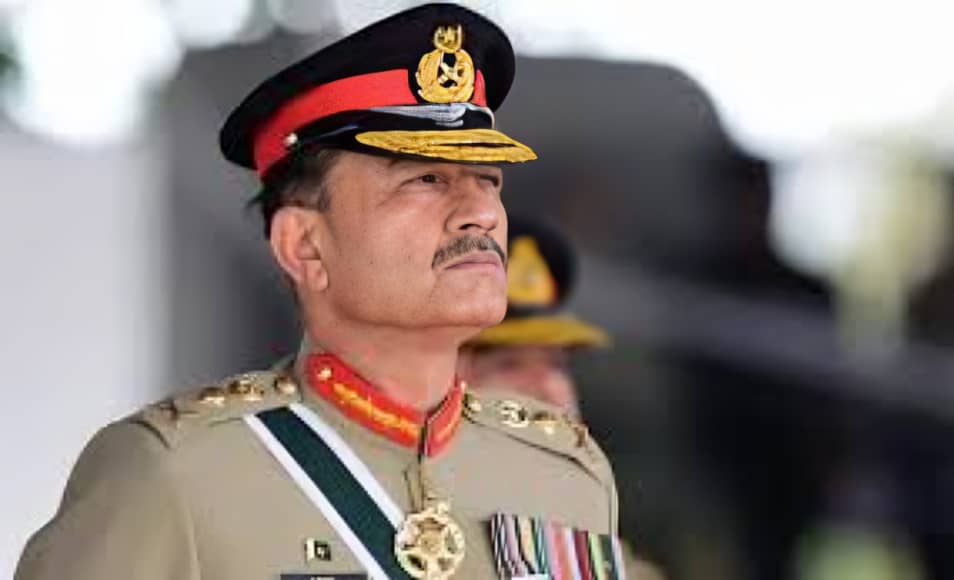
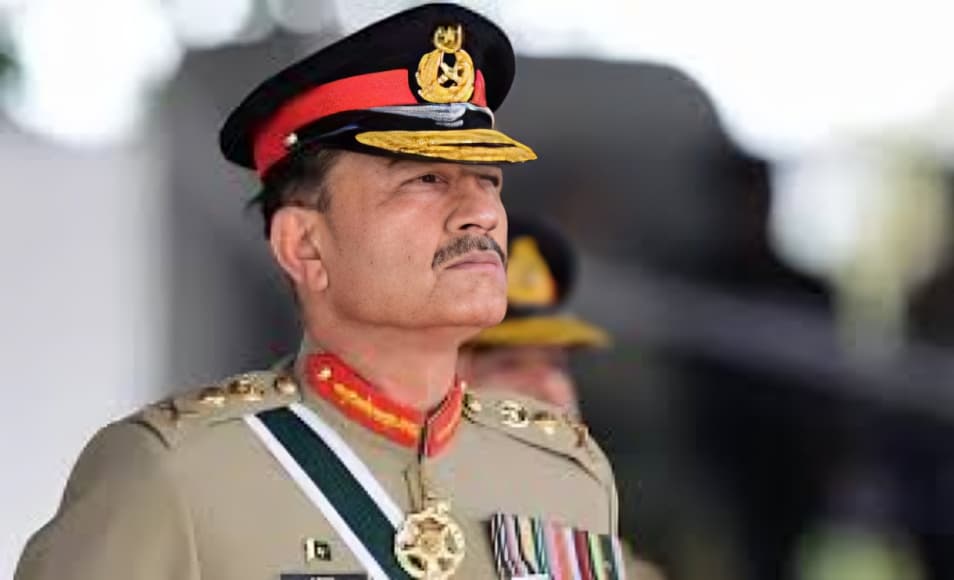
Field Marshal Asim Munir, Pakistan’s army chief and a key figure in the country’s political and security landscape, faces a delicate situation following a US request for Pakistani troop contributions to a proposed Gaza stabilisation force. The development highlights the complex interplay between Pakistan’s strategic alliances, regional obligations, and domestic political dynamics.
The United States is reportedly seeking support from Pakistan as part of its broader efforts to stabilise Gaza amid ongoing conflict. Pakistan’s participation would signal alignment with US-led initiatives in the Middle East, potentially enhancing bilateral ties and positioning Pakistan as a proactive player in global conflict resolution. However, any decision to deploy troops carries significant political risks, given public apprehension over foreign military involvement and past experiences with overseas missions.
Inside Pakistan, the request has triggered debate over civil-military coordination and the army’s role in foreign engagements. Analysts suggest that Field Marshal Munir must weigh national security priorities, geopolitical implications, and domestic sentiment before making a decision. The army’s stance will likely influence Pakistan’s foreign policy trajectory, particularly in relation to the US, Middle Eastern partners, and regional rivals.
Observers also note the potential domestic repercussions. Deploying troops abroad could provoke political criticism from opposition parties and civil society, framing the move as an overreach of military authority. Additionally, public sentiment in Pakistan traditionally resists participation in foreign conflicts unless aligned with national interest, making careful messaging and diplomatic handling essential.
The situation also underscores Pakistan’s strategic balancing act in the Middle East. While Pakistan maintains strong ties with key Gulf countries and advocates for Palestinian support, joining a US-led stabilisation force could complicate relationships with certain regional actors. Munir’s decision will need to consider these delicate diplomatic calculations while safeguarding Pakistan’s interests.
Furthermore, the army chief’s next move may have broader implications for Pakistan’s internal stability. Any action perceived as unaligned with national priorities could fuel civil-military tensions, impact political legitimacy, and influence public trust in leadership. Analysts emphasize that Munir’s handling of the request will be closely scrutinized both domestically and internationally.
Experts suggest that Pakistan may explore alternative forms of support, such as humanitarian aid, intelligence sharing, or diplomatic backing, to contribute to Gaza stabilization without deploying troops directly. Such measures could strike a balance between international obligations and domestic sensitivities.
In conclusion, Field Marshal Asim Munir faces a critical decision that intersects international diplomacy, national security, and domestic politics. The outcome will likely shape Pakistan’s global image, its relations with the US, and internal political dynamics, highlighting the army chief’s pivotal role in navigating complex geopolitical challenges.


