
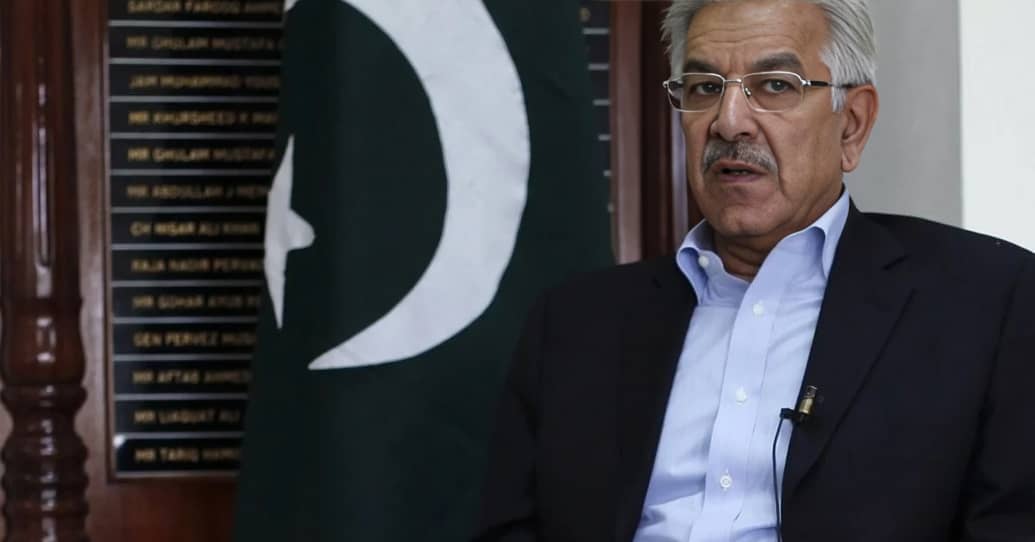
Khawaja Asif has sparked significant political discussion following remarks made on social media regarding Pakistan’s relations with Afghanistan. The Defence Minister referred to what he termed an open war situation amid escalating tensions along the Durand Line, the disputed border region separating the two countries.
In a post shared on X, Asif used the phrase Dama Dam Mast Qalandar while expressing strong criticism of the Taliban led administration in Kabul. He accused Afghan authorities of harbouring terrorist elements and exporting instability into Pakistan. According to his statement, Islamabad had anticipated improved security conditions after the withdrawal of NATO forces and the Taliban’s return to power. However, he alleged that militant groups continue to find safe operating space across the border.
The remarks were made at a time when cross border hostilities between Pakistani and Afghan forces have reportedly intensified. Both sides have exchanged accusations over ceasefire violations and support for armed groups. The Durand Line has historically been a point of contention, with periodic flare ups contributing to strained diplomatic ties.
Political analysts note that statements made by senior officials can significantly influence bilateral relations, particularly in a region already marked by complex security dynamics. Pakistan has frequently raised concerns about cross border attacks targeting its security forces, while Afghan authorities have rejected accusations of providing shelter to militant organisations.
The use of cultural or religious phrases in official statements has also drawn attention, as such references can shape public perception and political discourse. Observers emphasise that sensitive diplomatic issues typically require careful language to prevent escalation and maintain communication channels.
The broader regional context adds to the complexity of the situation. Since the departure of international forces, Afghanistan has faced economic challenges and diplomatic isolation, while neighbouring countries continue to assess the security implications of the evolving political landscape. Pakistan, which shares a long and porous border with Afghanistan, has repeatedly called for cooperative measures to address terrorism and maintain stability.
As of now, there has been no comprehensive official response from Afghan authorities regarding the latest comments. Diplomatic engagement between the two countries remains crucial to preventing further deterioration of relations.
The episode highlights the fragile nature of security cooperation in the region and underscores the importance of dialogue in addressing cross border concerns. Developments along the Durand Line will likely continue to be closely monitored by regional stakeholders and the international community.


